
🌱 GrowMore CookMore App
Know what to sow, when to harvest, and discover recipes for your garden produce.

Right, here’s something that proper winds me up. Every winter, I hear people say “there’s nothing to harvest in the garden until spring.” Rubbish. Absolute rubbish. If you’ve planned ahead even slightly, winter can be one of the most productive seasons for leafy greens. I’m talking fresh, nutritious, homegrown leaves when the supermarket is charging a fortune for limp bags of salad that taste of absolutely nothing. And the beautiful thing about winter greens? Most of them actually taste better after a frost. How’s that for a plot twist?
I got into winter greens properly about five years ago when Audrey handed us a bowl of fresh salad leaves. In January. JANUARY. I looked at her like she’d performed some kind of magic trick. Turns out she’d been growing winter lettuce, lamb’s lettuce, and mizuna under a simple cloche on her raised bed. No greenhouse, no fancy equipment, just a bit of fleece and some forward planning. That was the moment I thought, “Right, I need to get my act together.” And I haven’t looked back since.
Why Winter Greens Are Brilliant (and Why You Should Be Growing Them)
Let’s start with the obvious — fresh greens in winter, picked minutes before you eat them. You cannot buy that level of freshness no matter how much you spend. The nutritional value of greens drops rapidly after harvest, so something you’ve just picked from the garden is absolutely packed with vitamins and minerals compared to something that’s been in a warehouse for a week and then sat on a supermarket shelf for another three days. I’m not a health nut by any means — I like a pie as much as the next bloke — but there’s something satisfying about knowing you’re eating the best quality stuff possible.
Then there’s the flavour thing I mentioned. Many winter greens develop better flavour in cold weather because the plant converts starches to sugars as a natural antifreeze mechanism. Kale is the classic example — it tastes noticeably sweeter after a good frost. Same with chard, winter spinach, and Brussels sprout tops. The cold concentrates the flavour in a way that summer heat just doesn’t. Some of the best meals I’ve had have come from January harvests off the allotment.
And let’s not forget the economics. A packet of winter salad mix from the supermarket is what, two quid? Three? For a handful of leaves that’ll wilt by Thursday. A packet of winter lettuce seeds costs about a quid fifty and will give you leaves from November through to April. The maths doesn’t lie, does it? Cheap as chips, and infinitely better.
The secret to continuous winter greens is successional sowing. Don’t sow everything at once — sow a small batch every 2-3 weeks from late August through October. This way you’ll have plants at different stages of growth and you’ll always have something ready to pick rather than a glut followed by nothing.
The Best Winter Greens to Grow — My Tried and Tested Favourites
Kale — The Absolute Champion. If you only grow one winter green, make it kale. This stuff is virtually indestructible. I’ve had kale plants survive minus 12°C without so much as a droopy leaf. Curly kale (like Dwarf Green Curled) is the traditional allotment variety and it’s brilliant — hardy, productive, and it just keeps coming back every time you pick it. But cavolo nero (black kale or Tuscan kale) is my personal favourite for flavour. It’s slightly less hardy than curly kale but the texture and taste are in a different league. Shred it into soups, stir-fry it with garlic and chilli, or make kale crisps in the oven. Belting.
Red Russian kale is another cracker — purple-tinged leaves that are more tender than the curly type and work brilliantly raw in winter salads. And if you’ve got kids who won’t touch “normal” kale, try them on Midnight Sun — it’s got dark almost-black leaves that look dramatic on the plate and the flavour is milder than most.

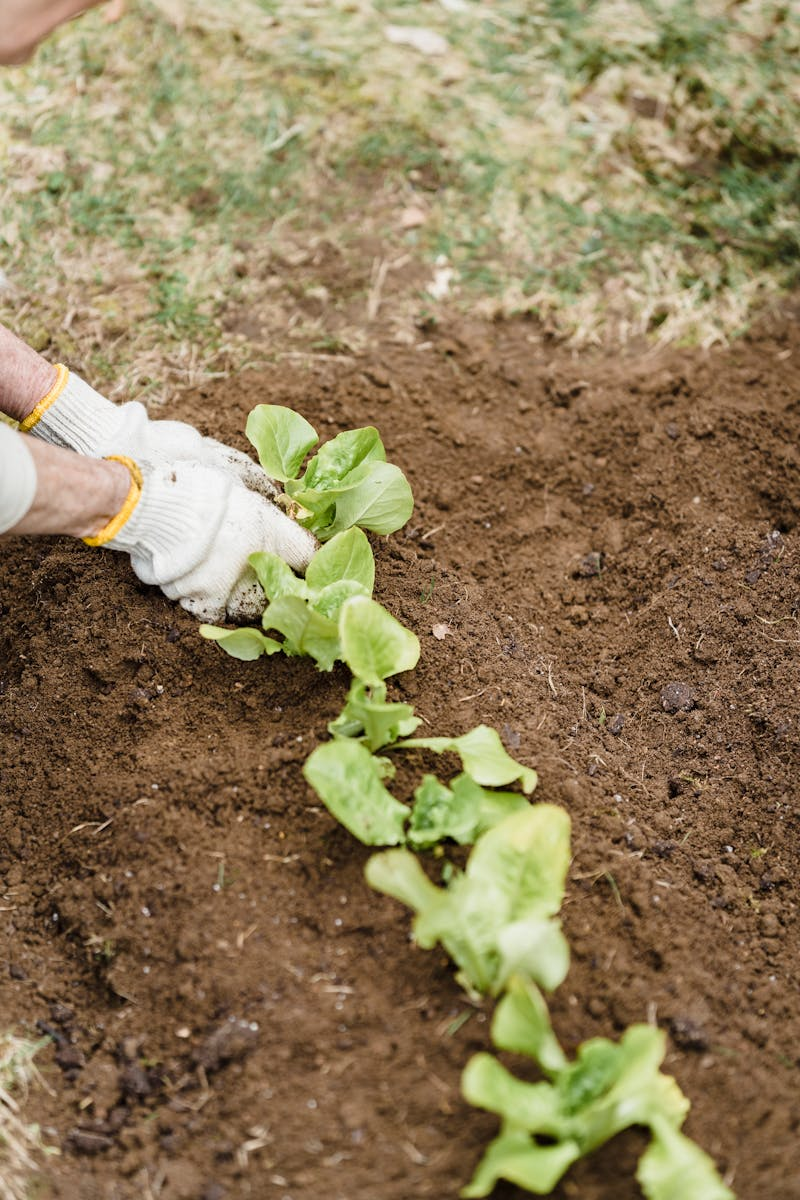
Winter Lettuce. Not many people realise you can grow lettuce right through winter if you choose the right varieties. Look for specific winter types like Winter Density, Arctic King, or Valdor. These are bred to handle cold temperatures and short daylight hours without giving up the ghost. They won’t grow fast — lettuce barely grows at all when it’s properly cold — but they’ll sit there alive and well, slowly putting on a leaf here and a leaf there, and by late February they’ll start picking up speed again.
I grow my winter lettuce in a cold frame because it does appreciate some protection from the worst rain and wind. But I’ve also had decent results with it under a simple cloche or even just a sheet of fleece draped over hoops. The key is keeping the rain off more than keeping the cold out — winter lettuce can handle frost, but it hates sitting in cold, wet soil.
Lamb’s Lettuce (Corn Salad). This is an absolute gem that doesn’t get enough attention. It’s one of the hardiest salad crops you can grow, surviving temperatures down to about minus 15°C without any protection at all. The rosettes of small, mild-flavoured leaves are perfect for winter salads — they’ve got this subtle nutty taste that goes brilliantly with beetroot and goat’s cheese. Sow it in August or September and it’ll be ready to pick from November onwards. Dead easy and practically bombproof.
Perpetual Spinach and Chard. These two are closely related and both perform well through mild winters. True spinach (the smooth-leaved, Popeye stuff) does grow in winter but it’s not as reliably hardy as perpetual spinach, which is technically a type of leaf beet. Perpetual spinach is the better bet for beginners — it shrugs off frost, doesn’t bolt easily, and keeps producing leaves for months on end. I’ve had plants going for nearly two years before they finally gave up.
Rainbow chard is gorgeous in winter — those bright stems in red, yellow, orange, and pink look absolutely stunning in a frosty garden when everything else is brown and dormant. It’s slightly less hardy than perpetual spinach but under a cloche or in a sheltered spot, it does fine down to about minus 5°C.
If you’re new to winter greens, start with kale and lamb’s lettuce. These two are virtually foolproof, need almost no protection, and will give you fresh greens all winter with minimal effort. Once you’ve got confidence with those, branch out into winter lettuce, oriental greens, and more adventurous stuff like claytonia and winter purslane.
Oriental Greens — The Unsung Heroes of Winter
Right, this is where things get exciting. Oriental greens are some of the best winter crops going and yet hardly anyone on our allotment grows them. Their loss, honestly. These plants thrive in cool conditions and shorter days — they actually prefer autumn and winter to summer. In summer heat, most of them bolt within five minutes. In winter? They just sit there happily producing gorgeous leaves.
Mizuna is probably the easiest to start with. It produces masses of feathery, mild-tasting leaves that are brilliant in stir-fries and salads. It’s hardy to about minus 8°C and regrows quickly after cutting. I can usually get five or six harvests from one sowing.
Mibuna is mizuna’s lesser-known cousin — long, strap-shaped leaves with a slightly stronger, more peppery flavour. Just as hardy, just as productive. It’s brilliant mixed in with milder leaves for a bit of bite.
Pak choi is a winter star in the greenhouse or cold frame. It doesn’t love being left out in hard frosts unprotected, but with a bit of shelter it’s incredibly productive. The mini varieties like Joi Choi are my favourites — they mature quickly and are perfect for stir-fries. One of the best things I eat all winter is pak choi flash-fried with soy sauce and sesame oil. Takes about three minutes from plot to plate.
Tatsoi forms beautiful flat rosettes of glossy dark green leaves. It’s tougher than pak choi and can handle more cold. The texture is slightly thicker than spinach and it works brilliantly in warm salads where the heat just wilts it slightly.
Growing Tips for Success
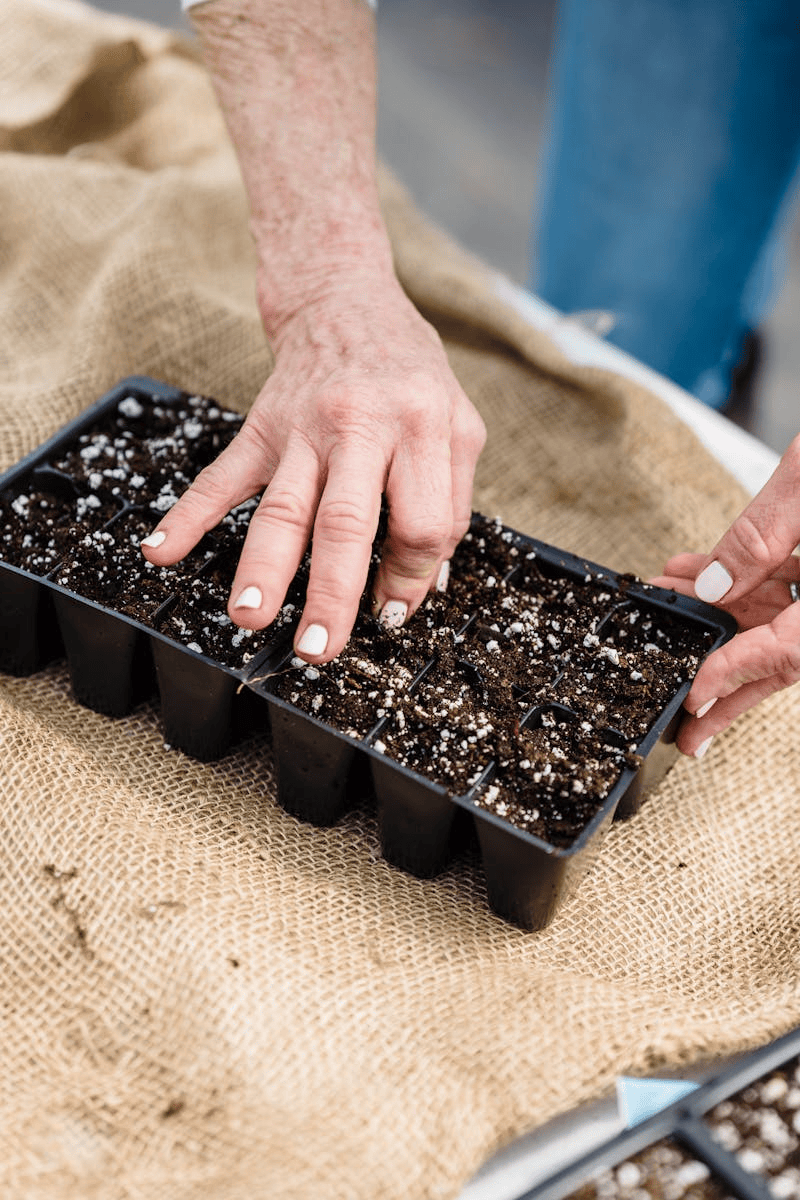
Timing is everything. Most winter greens need to be established before the cold and dark really sets in. That means sowing in late August, September, and early October for most things. If you leave it too late, the plants won’t have time to establish before growth slows to a crawl. I mark my calendar with sowing dates in July so I don’t forget — which I have done in previous years, and then spent the whole winter kicking myself while looking at bare beds.
Protection makes a huge difference. Even the hardiest greens benefit from some form of protection. A simple cloche — even just a sheet of fleece over some wire hoops — can raise the temperature by 2-4°C and keep the worst rain and wind off. This can extend your harvesting season by weeks in both directions. My fleece-covered kale produces usable leaves a good three weeks later into winter and starts up again three weeks earlier in spring compared to unprotected plants.
Harvest little and often. This is the golden rule of winter greens. Don’t hack the whole plant down at once. Pick the outer leaves and let the centre keep growing. This cut-and-come-again approach means one plant can feed you for months. I go out twice a week with a bowl and pick a handful of leaves from each plant — kale, chard, lettuce, mizuna, whatever’s looking good. That’s enough for salads, stir-fries, and a big pan of soup.
Watch out for pigeons. The feathered menace. Pigeons love brassicas — and kale, being a brassica, is basically an all-you-can-eat buffet for them. Net your brassicas properly. I use enviromesh over a frame, which keeps out pigeons, butterflies, and the worst of the weather all in one go. Worth every penny. JB lost his entire kale crop to pigeons one December. He came down to the plot and there was literally nothing left except bare stems. He said words I can’t repeat here.
Don’t overwater. This is a bigger issue than most people think. In winter, plants use very little water because growth is slow and evaporation is minimal. If you water as much as you do in summer, you’ll rot the roots. Let the rain do most of the work and only water if the soil is actually dry, which in a typical British winter is almost never for outdoor crops. Greenhouse and cold frame crops need a bit more attention, but still much less than you’d think.
Winter Greens in the Kitchen — Making the Most of Your Harvest
It’s all very well growing this stuff, but you need to know what to do with it once you’ve picked it. And this is where winter greens really shine in the kitchen because they’re so versatile.
Kale goes into everything in our house from about November onwards. Shredded raw into salads (massage it with a bit of olive oil and lemon juice first — sounds weird but it softens the texture beautifully). Stirred into soups and stews in the last five minutes of cooking. Made into crisps by tossing with oil and salt and baking for ten minutes. Blitzed into smoothies if you’re that way inclined (I’m not, personally, but each to their own).
Winter salad leaves are best eaten as simply as possible — a good olive oil, a squeeze of lemon, maybe some shaved parmesan. When the leaves are this fresh, you don’t need to dress them up. The flavour speaks for itself.
Chard stems can be cooked separately from the leaves — the stems take longer, so sauté them first for a few minutes before adding the shredded leaves. Rainbow chard stems sautéed with garlic and butter is one of the simplest and most delicious things you’ll ever eat. I served it to Ronny once and he asked for the recipe. From Ronny, that’s basically a Michelin star.
- Late August: Sow kale, perpetual spinach, chard, mizuna, pak choi
- September: Sow winter lettuce, lamb’s lettuce, tatsoi, mibuna, claytonia
- Early October: Last chance sowings under cover — winter lettuce, lamb’s lettuce
- November-February: Harvest regularly, protect with fleece/cloches on cold nights
- March: Growth picks up — increase harvesting and start succession sowing again
If you’re growing winter greens, you’ll love the GrowMore CookMore app. It’s got over 200 recipes that are matched to whatever you’re harvesting, so when you come in from the plot with a bowl of kale and chard, the app will tell you exactly what to cook with it. The personalised sowing calendar makes sure you hit all those critical sowing windows for winter greens too, which is proper handy because once you miss the September sowing window, you’re stuffed until next year. Don’t make the same mistake I did three years running.
Look after yourselves. Take good care. 🌱
Leave a Reply