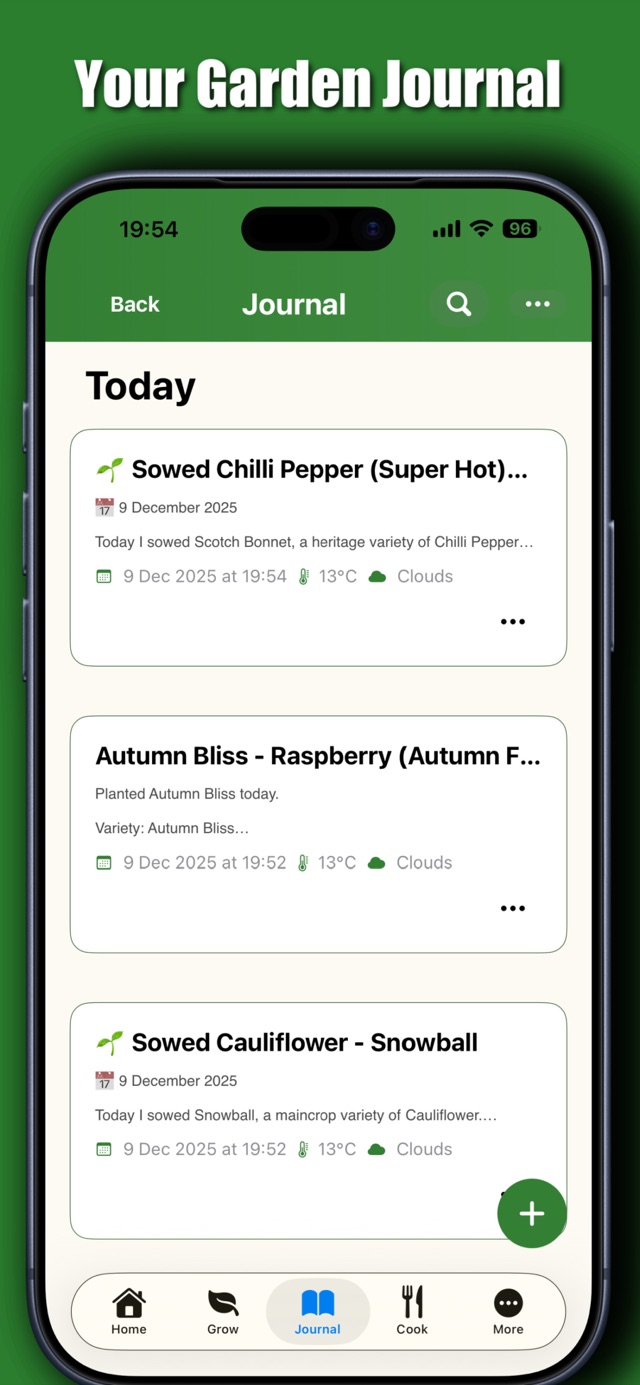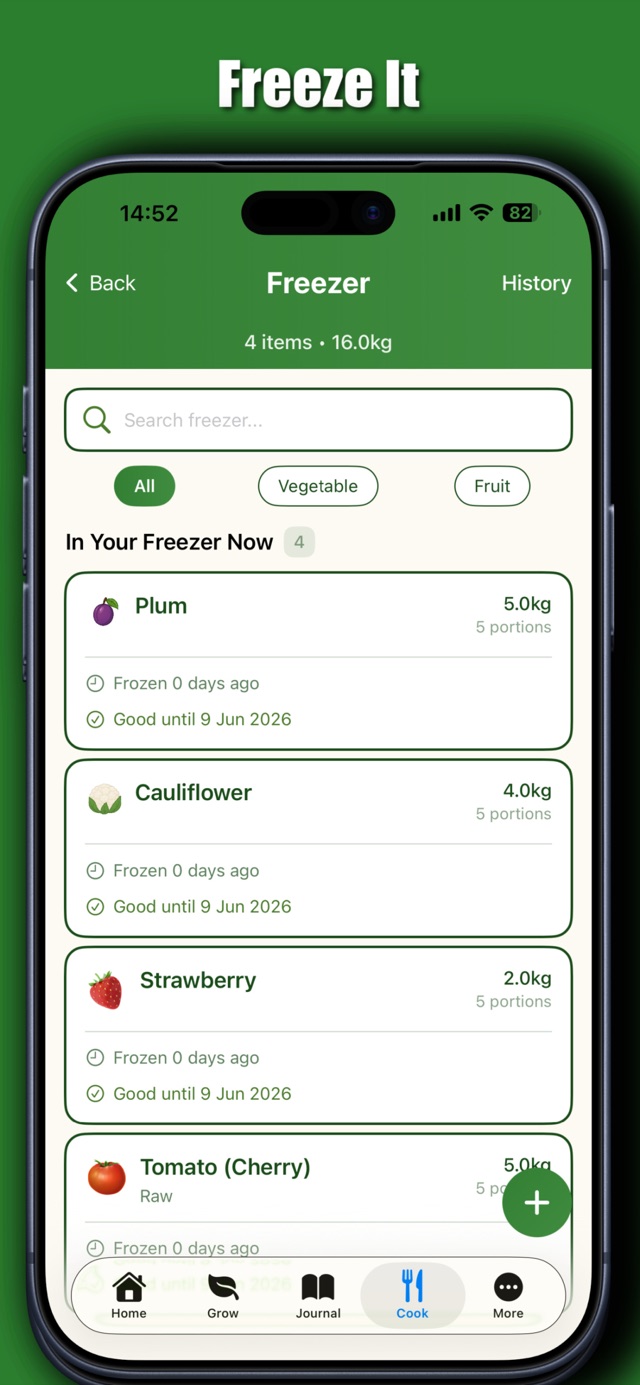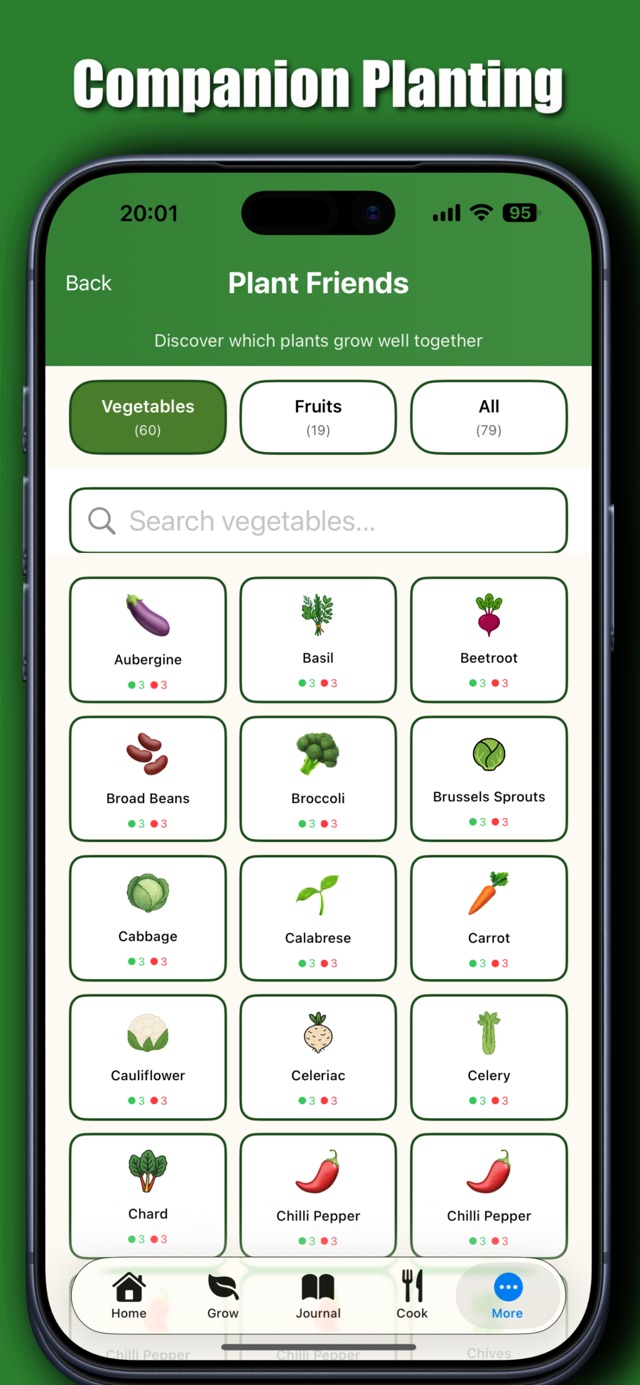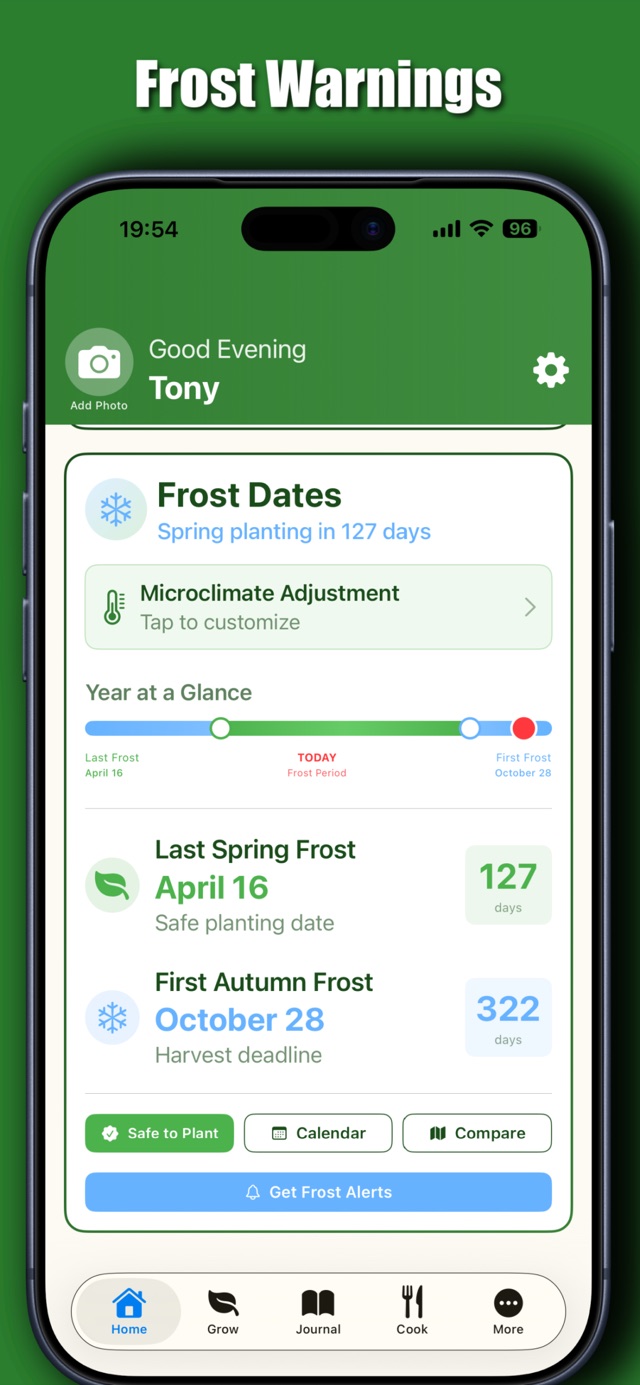
🌱 GrowMore CookMore App
Know what to sow, when to harvest, and discover recipes for your garden produce.
Right. So, direct sowing. Chucking seeds straight in the ground. No seed trays, no windowsills, no heated propagators — just you, the soil, and a packet of seeds. And I’m telling you, it’s one of the most satisfying things you can do in the garden.
Now, I’ll be honest with you. For years — and I mean years — I was that bloke faffing about with seed trays in the greenhouse. Little pots everywhere. Labels falling off. Forgetting to water them. Then trying to harden them off without killing the lot. And half the time, me seedlings would go leggy or just keel over the minute I planted them out. You know what I mean?
Then one year — and I think it was JB who mentioned it to us actually — I just stuck some beans straight in the ground. Two seeds to every pole. Didn’t overthink it, didn’t faff about. And bloody hell, it was the best crop I’d had in years. No word of a lie. That was the moment I thought, “Right, Tony, why are you making this harder than it needs to be?”
What Actually Are Hardy Seeds?
So, hardy seeds are basically the tough ones. The ones that don’t mind a bit of cold. Think peas, broad beans, carrots, parsnips, beetroot, spinach, radishes. The proper allotment staples. These aren’t your delicate tomatoes or your precious peppers that’ll throw a tantrum if the temperature drops below 15°C. These are the hard nuts of the seed world. Chuck them in, keep the soil moist, and stand back.
I grow all of these at my allotment and I’ll tell you now — every single one of them does better when I just bung them straight in the soil rather than messing about with pots. Carrots especially. If you’ve ever tried transplanting a carrot, you’ll know they’re right little divas about it. They fork, they sulk, they just sit there looking at you. Parsnips are the same. These crops want to put their roots down where they’re going to live, and they don’t want moving.
When to Get Them In
Now, this is where a lot of people — myself included, mind you — get it wrong. You get that first bit of spring sunshine, the birds are singing, and you think, “Right, I’m getting everything in TODAY.” But the soil’s still freezing, man. It’s like concrete under that top layer.
The trick — and I bang on about this all the time on Pottymouth — is plant later, sow less. Honestly, it’s changed me whole approach to gardening. I used to be desperate to get everything in by March, and half of it would just sit there and rot. Now I wait. I actually stick me hand in the soil. If it’s cold on your hand, it’s cold for your seeds. Simple as that.
Mind you, with hardy seeds you’ve got a bit more wiggle room. Broad beans — those tough little beauties — will go in from about February if your soil’s not waterlogged. Peas not far behind. But carrots and parsnips? I’d wait till at least late March, maybe April depending on where you are. Don’t let anyone tell you you’re “behind.” You’re not. You’re being smart.

Getting Your Soil Ready
Right, before you start lobbing seeds about, you need to give your soil a bit of attention. Now, I’m not talking about anything fancy here. Just a good fork over to break up any compaction, rake it level, and get rid of the worst of the weeds. Bloody weeds, man. They’re always there. Like that chickweed — hangs around like the worst garden tool ever invented.
If you’ve been adding compost or manure over winter — which I’d definitely recommend — your soil should be in decent nick by spring. I’ve been getting horse manure from a local stables and honestly, the difference is night and day. Me carrots this year were the best I’ve ever had, and I’m convinced it’s the compost that did it. That and actually thinning them out properly for once in me life.
One thing I will say — and this is from painful experience — don’t walk all over your beds before you sow. I used to just stomp about up there and then wonder why me seeds weren’t coming through. You’re compacting the soil, man. And those tiny little seedlings are trying to push through what’s basically concrete. Not going to happen. A light forking over can help improve drainage and warm the soil up a bit faster.
Actually Sowing the Seeds
So, the method itself is dead simple. Make a drill — that’s just a shallow trench in the soil. Use a stick, a cane, the back of a rake — whatever you’ve got. Don’t overthink it. I’ve used the handle of me Hori Hori before. Anything straight will do.
The depth depends on the seed. General rule of thumb: twice the depth of the seed itself. So tiny things like carrots barely need covering — just a light dusting of soil. Bigger seeds like broad beans and peas want to go a good inch or two down. Parsnips are somewhere in between, the awkward sods.
Now, spacing. I’ll be honest, I’m terrible at this. I always sow too thickly because I’m thinking, “Well, what if half of them don’t come up?” And then they ALL come up and I’ve got a bed that looks like a bloody lawn. You’ve got to be brave with it. Space them out. And if they come up too thick — and they will, because that’s just what happens — get in there and thin them out.
I know, I know. It feels brutal pulling out perfectly good seedlings. But the ones you leave will thank you for it. They’ll grow stronger, healthier, and produce far more. I learnt this the hard way. I had some carrots this year that I’m pretty sure I didn’t thin out properly, and you could tell — they were a bit smaller, a bit cramped. The ones I’d thinned properly? Gorgeous. Like, award-winning gorgeous. Round, fat, lovely shape. Not that I’m entering any competitions, mind you.
Watering and Keeping an Eye
Once your seeds are in, keep the soil moist. Not drenched — moist. Use a watering can with a fine rose on it. You don’t want to be blasting the seeds out of the ground with a hosepipe. I’ve done that. Don’t do that.
In dry spells — and we do get them, even in spring — you might need to water daily. Little and often is the way to go. As the seedlings come through, keep an eye out for slugs and snails. They consider tiny seedlings an absolute delicacy, the little sods. A few beer traps work a treat, or crushed eggshells around vulnerable plants. I’ve tried everything over the years. The beer traps are definitely the most effective, though obviously you’re sacrificing perfectly good beer.

Protecting Your Seedlings
Early spring weather can be unpredictable, man. A late frost or a cold snap can set things back, so it’s worth having some protection on hand. Horticultural fleece draped over your rows will give a few degrees of frost protection and help warm the soil underneath. Dead cheap, dead effective.
Cloches — whether shop-bought or improvised from cut plastic bottles — work brilliantly for individual plants or short rows. Even a simple sheet of clear polythene stretched over hoops can create a mini tunnel that keeps the worst of the weather off. I’ve got a mate at the allotment who makes his from old plastic pipe and it works a treat. Cheap as chips.
And birds. Don’t get me started on the pigeons. They’ll have your peas before you’ve turned your back. A bit of netting or some old CDs hanging off string can help. Looks daft but it works. Mind you, the birds at our place seem to have got used to the CDs now. Maybe they’re into their own reflection. Answers on a postcard.
Why I’m a Proper Convert
Here’s the thing. Direct sowing isn’t just easier — the plants are actually better for it. When you start seeds in pots and transplant them, they go through transplant shock. The roots get disturbed, the plant has to readjust, and you lose time. But when you sow direct, the roots just go straight down. No disturbance, no drama. The plants tend to be stronger and more resilient.
And honestly? It saves you a fortune. No seed trays, no compost for pots, no heated propagators running up your electric bill. Just seeds and soil. That’s it. I was chatting to Ronny down the bottom of our allotment the other day, and he was saying the same thing. He’s been growing for donkey’s years and he direct sows almost everything now. Big bloody onions out in the open. Not a hint of trouble. He reckons it’s all about timing, and I’m starting to think he’s right.
Like I say — plant later, sow less. Don’t rush it. Let the soil warm up, get your timing right, and the seeds will do the rest. It’s taken me years to learn that, but it’s honestly changed everything for me.
🌿 What to Direct Sow This Month
Buying Seeds Without Going Mental
Right, quick word on buying seeds because I know what happens. You get the catalogues through in January, or you start browsing online, and before you know it you’ve spent forty quid on seeds you’ll never get round to planting. I’ve been there. I’ve got packets in the shed from three years ago that I bought because the picture on the front looked nice. Classic Tony.
For direct sowing, you honestly don’t need anything fancy. A packet of carrots, some beetroot, peas, broad beans, a few radishes if you want something quick. That’s five packets. You’re probably looking at fifteen quid max. And those packets will last you more than one season if you store them right — cool, dry, out of the sun. I keep mine in a tin in the shed. Nothing special.
And here’s a tip — check the dates on the packets. Some seeds stay viable for years. Beans and peas? Three or four years easy. Parsnips? Use them fresh, they’re rubbish after a year. I learned that the hard way when I sowed a whole row of two-year-old parsnip seeds and got about four plants from the lot. Four! Out of probably a hundred seeds. I could have cried.
If you’re on a budget — and let’s be honest, who isn’t — have a look at seed swaps. There’s loads of them online and at local gardening clubs. I got some belting climbing French beans from a mate called Audrey a few years back — Camila beans, I think they were. Honestly, best beans I’ve ever grown. And they cost me nothing. That’s the beauty of the gardening community — people just give stuff away. Julie rocked up at the allotment the other day and went home with two quad grows, a load of pots, and probably more advice than she bargained for.
The Allotment Life
I think that’s the thing people don’t always realise about growing your own. It’s not just about the veg. It’s about getting up there on a cold morning with the dog — Daisy comes with us every time, seven-year-old Doberman, she just potters about while I’m digging — and it’s about the people you meet. Ronny with his giant onions. JB with his mad ideas that somehow always work. The random conversations over the fence about whether your leeks have got rust or your chard’s gone a bit manky.
Direct sowing is the simplest bit of all of it. It’s the bit that connects you to what gardening actually is — putting a seed in the ground and watching it grow. No gadgets, no technology, no overthinking. Just nature doing its thing. And when you pull that first carrot out of the ground — proper soil still clinging to it, top still green and mad — you’ll understand why people like me get up at stupid o’clock on a Saturday to go and stand in the cold talking to ourselves. Well, talking to the camera. Same thing really.
When Things Go Wrong
Look, not everything’s going to be a success. That’s gardening, man. Some of me seeds don’t come up. Some get eaten by pigeons before they even get started. And some years the weather just doesn’t play ball. I mean, we were talking about this on Pottymouth — there was a stretch where it was wet every 10 days. Like, properly wet. You can’t do anything with that.
If your seeds don’t seem to be coming through, don’t panic straight away. Some varieties are naturally slow. Parsnips, for instance — bloody hell, they can take three weeks or more to show their faces. I was ready to dig the whole lot up and start again before they finally appeared. And carrots can be slow too, especially if the soil’s still a bit cold.
Check the soil isn’t too dry or too cold. If you suspect birds or mice have been helping themselves, try covering the rows with netting. And if germination is patchy, simply re-sow into the gaps. There’s no shame in a second attempt — even the most experienced gardeners do it. I do it every bloody year.
The main thing is don’t give up. Every year’s different. Every crop teaches you something. Even the disasters — and trust me, I’ve had plenty. You know what? I picked some beetroot once. Absolutely fantastic beetroot. Brought it home, put it on to cook, sat down to watch something on Netflix, and completely forgot about it. Boiled the pan dry. Burned the lot. Nearly wrecked one of me mother’s copper pans. Had to scrub it with Bar Keeper’s Friend before me wife spotted the damage. Horrific. Absolutely horrific. But I grew that beetroot, and it was belting before I cremated it. That’s what matters.
Happy sowing, folks. And remember — don’t overcomplicate it. Seeds want to grow. Your job is just to give them half a chance.
Let GrowMore CookMore Help You Grow
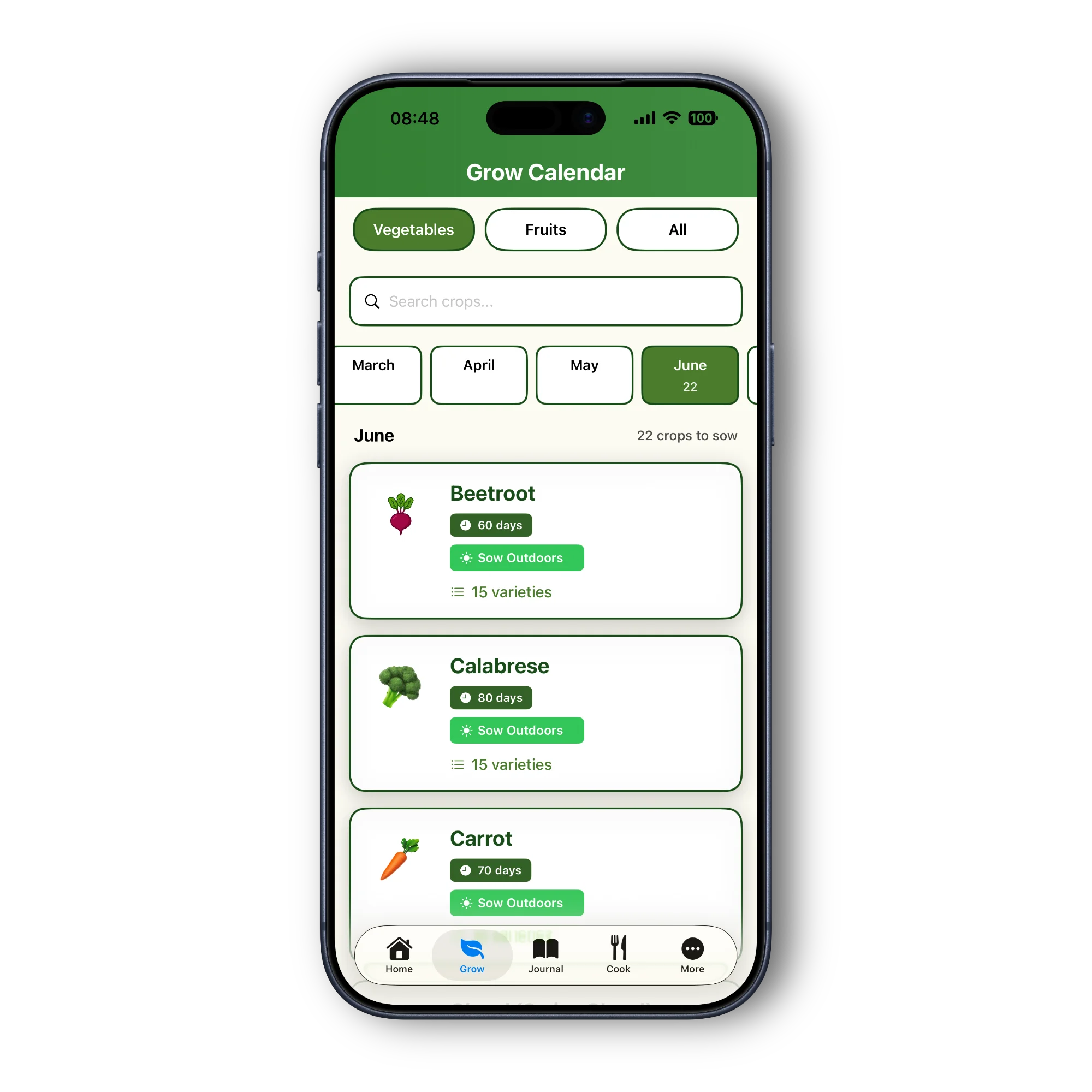
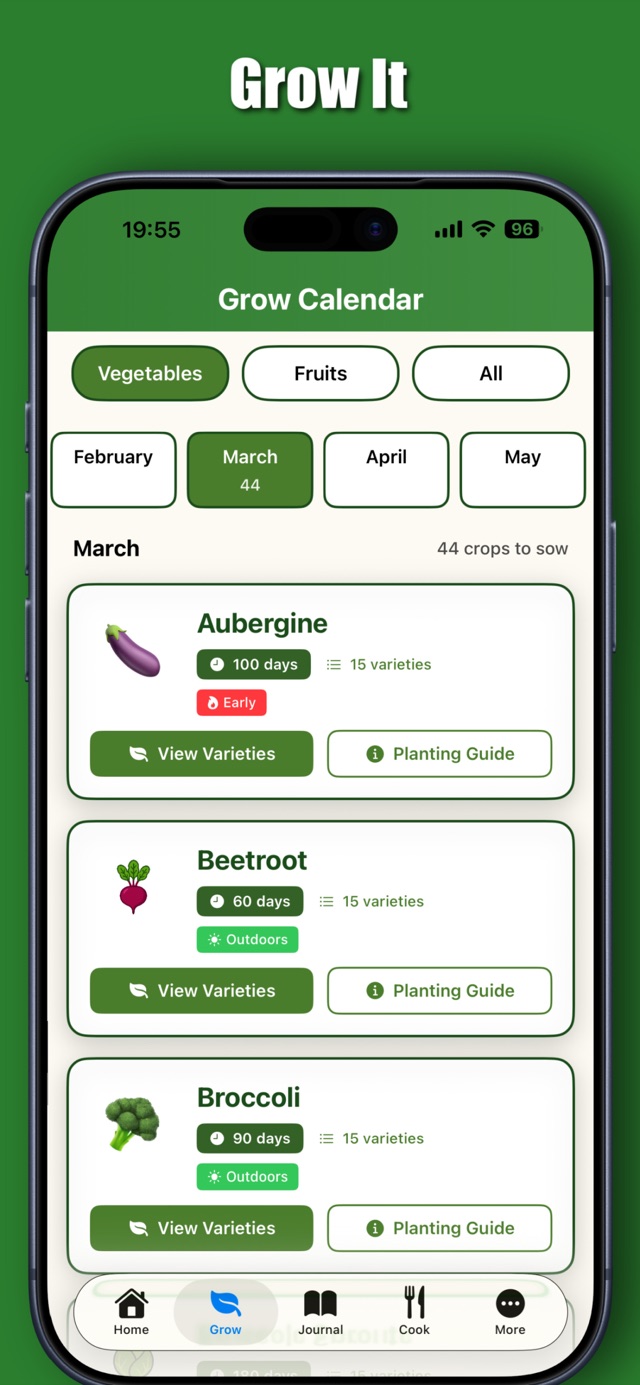
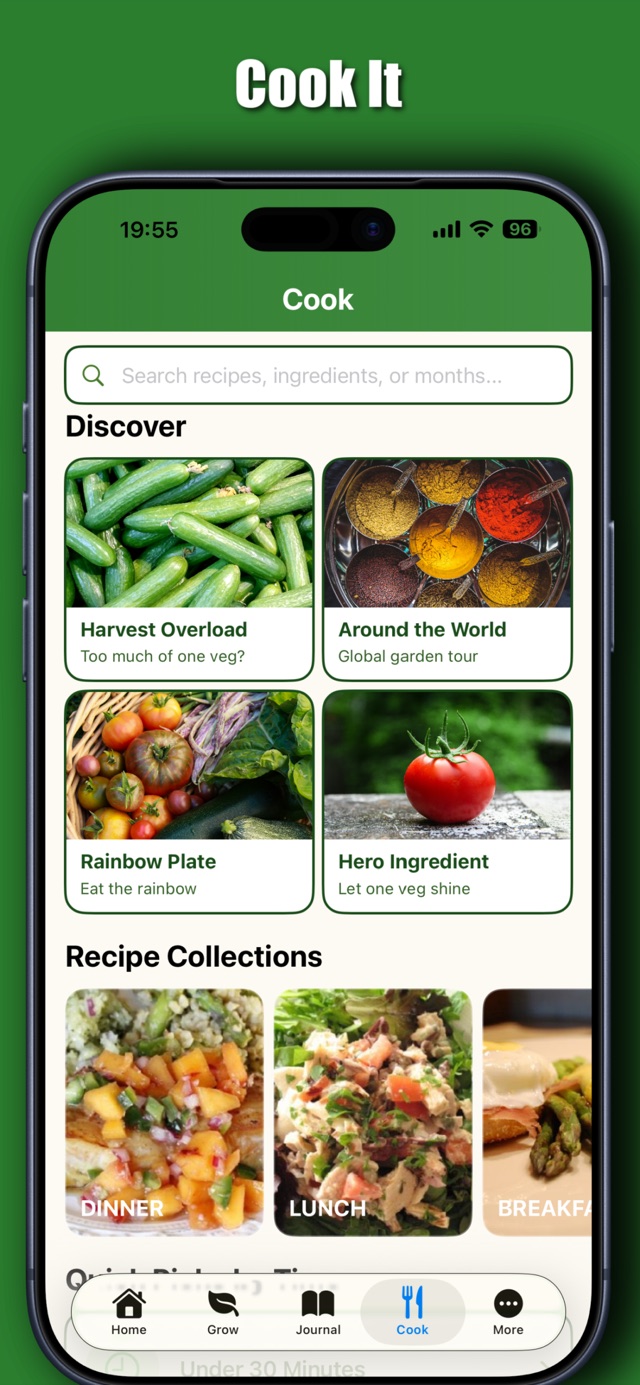
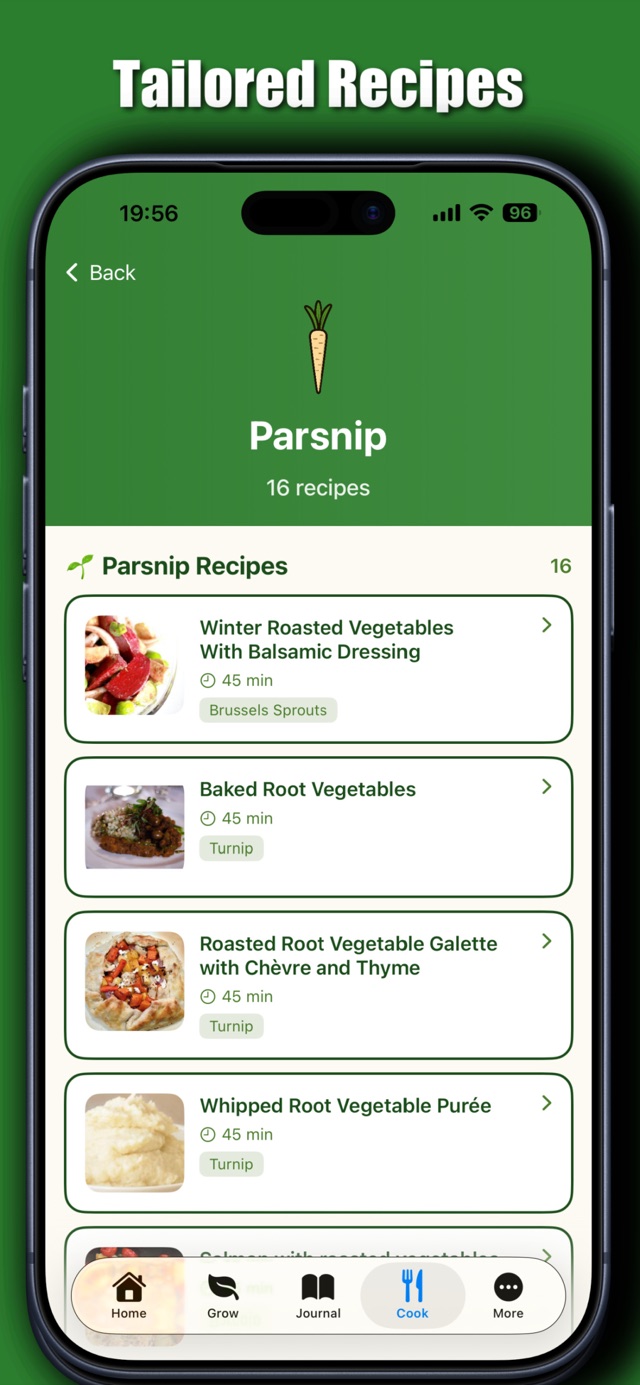
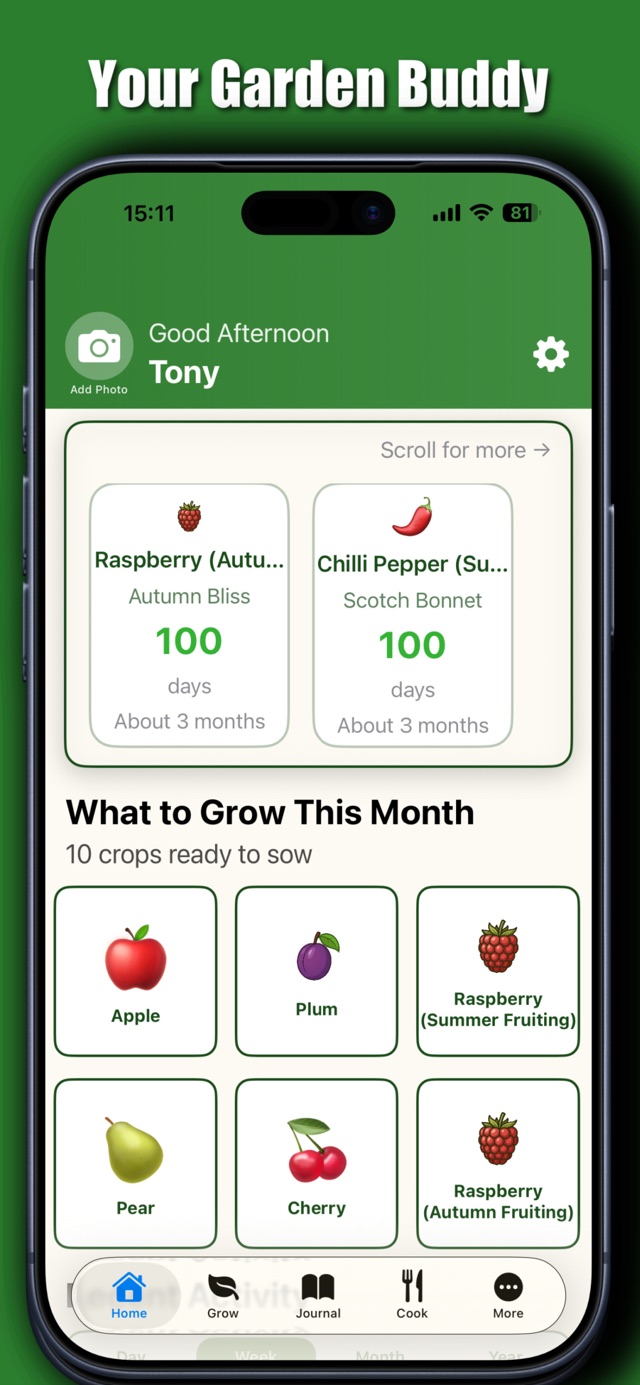
If you’re anything like me, trying to remember what to sow and when does your head in. That’s exactly why I built the GrowMore CookMore app — it’s basically your garden diary, planting calendar, and recipe book all rolled into one. The Grow Calendar tells you exactly when to direct sow each crop based on where you live, covering 84 vegetables with personalised dates for UK growers and USDA Zones 3–10. No more guessing, no more sowing too early and watching seeds rot. And when your harvest comes in — because it will — there’s over 200 recipes to help you actually use the stuff. No more burning beetroot and scrubbing pans at midnight. Well, hopefully. Download free on the App Store →
Look after yourselves. Take good care. 🌱


Leave a Reply