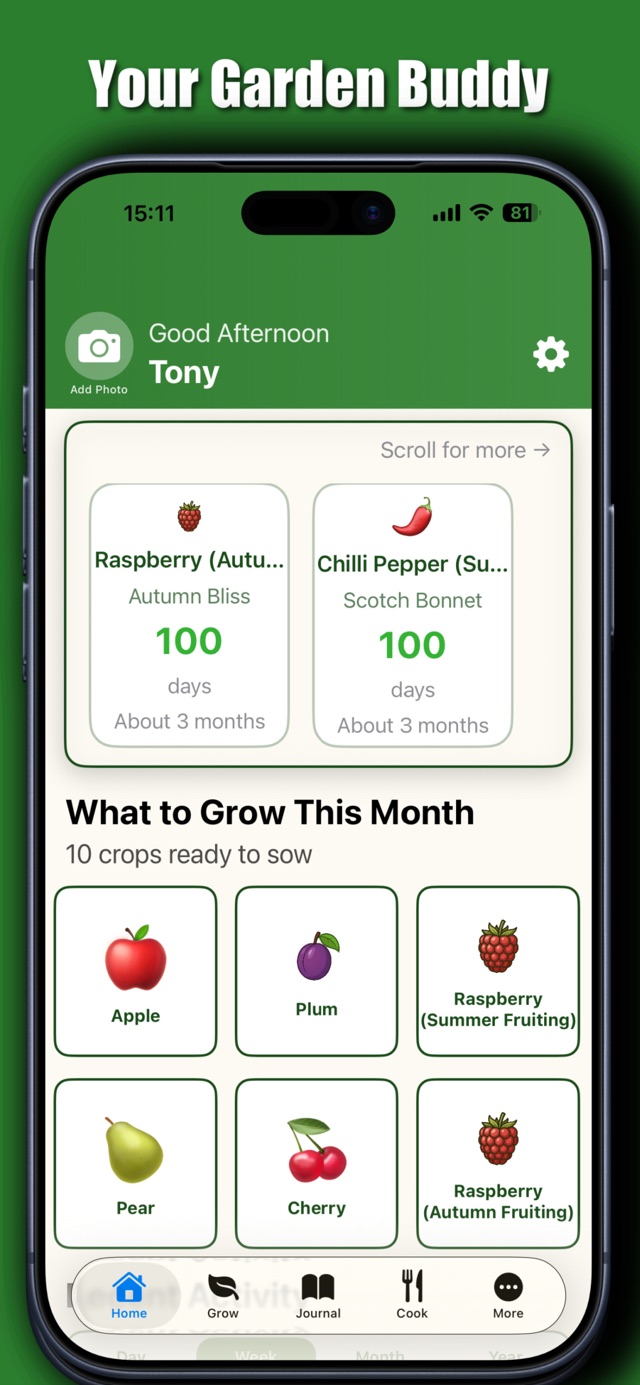
๐ฑ GrowMore CookMore App
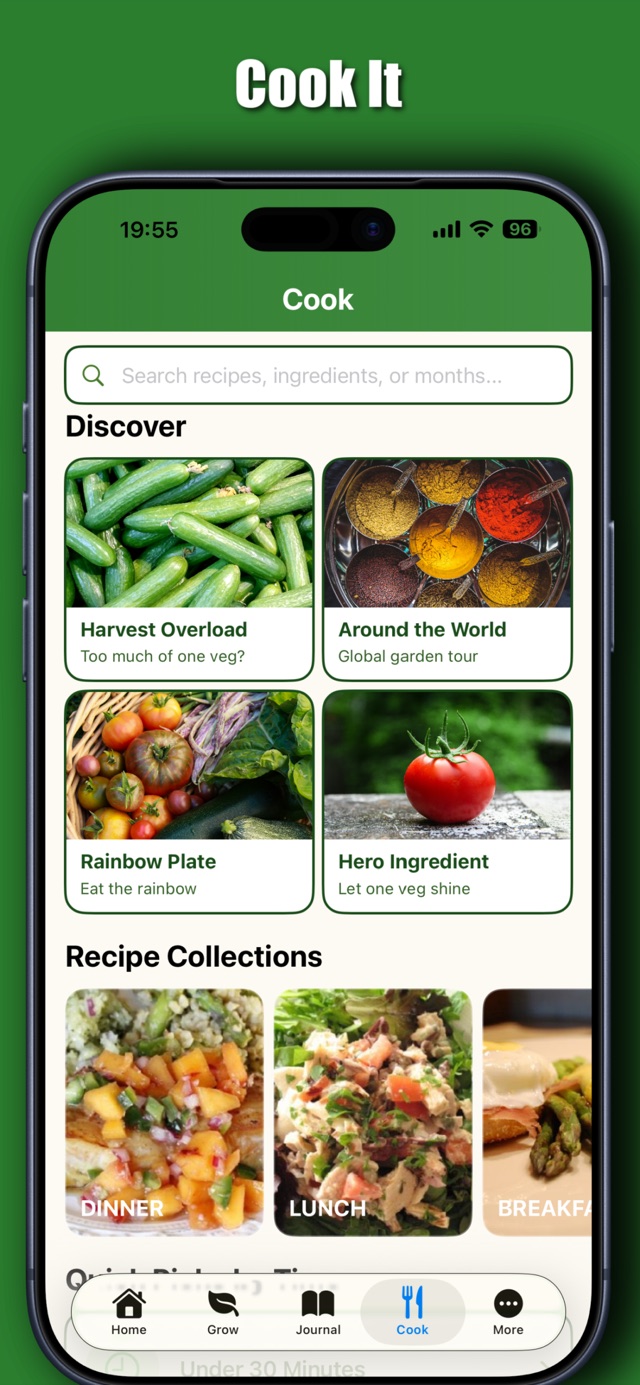
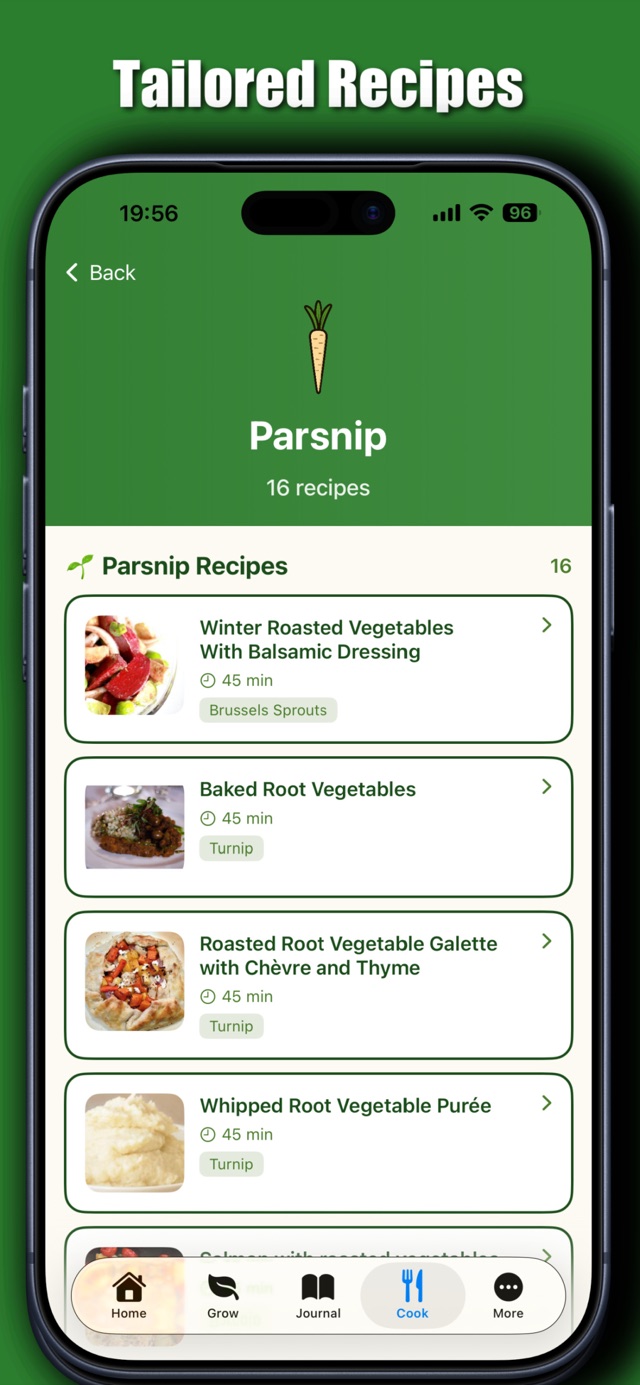
Know what to sow, when to harvest, and discover recipes for your garden produce.
Alright, let’s talk about drip irrigation. Now I know what some of you are thinking โ “Tony, I’ve got a watering can, what do I need drip irrigation for?” And fair enough, a watering can has served gardeners well for about five hundred years. But hear us out on this one, because setting up even a basic drip system on your allotment or garden is one of those things where you think “why didn’t I do this years ago?” once it’s in. I say that about a lot of things, mind. New socks. Decent secateurs. A flask that actually keeps tea warm. But drip irrigation is properly up there.
I resisted for ages. Thought it was too complicated, too expensive, too much of a faff. And then last summer happened. You remember last summer? That stretch in July where it didn’t rain for about three weeks and it was absolutely roasting? I was up the allotment every single evening lugging watering cans around for about two hours. Every. Single. Evening. Me back was wrecked, me arms were killing, and by the time I’d finished watering everything it was basically time to go home. No time for any actual gardening. Just watering. JB had put in a drip system the year before and he was sat in his deckchair with a cup of tea while his tap did all the work. The look on his face. I could’ve strangled him.
What Even Is Drip Irrigation?
Right, basics first. Drip irrigation is just a way of getting water directly to the base of your plants slowly and steadily, instead of chucking it over everything with a hose or watering can. The water drips out of little holes or emitters in a tube that runs along your beds, right where the roots are. Less water wasted, less splashing on leaves (which can cause disease), and the roots get a proper deep drink instead of just a surface wet.
There are basically three types you’ll come across. Soaker hoses โ these are the porous rubber ones that weep water along their whole length. Dead simple. Then there’s drip tape, which is thin flat tubing with emitters spaced along it โ this is what the commercial growers use. And then proper drip line with individual drip emitters, which is more fiddly but gives you the most control over exactly where the water goes.
For most allotment holders and home gardeners, soaker hoses are the way to go. Cheap, easy to set up, and they work. That’s what I use and I’m not ashamed to admit it. Nothing fancy. Just gets the job done.
What You’ll Need
Right, here’s your shopping list. And before you panic, this is not going to cost a fortune. The whole lot for a basic setup came to about thirty quid for me, which is less than I spend on bacon sandwiches from the allotment cafe in a month.
You’ll need: a soaker hose or drip tubing long enough for your beds (measure first, don’t guess โ I guessed once and ended up about four metres short), a connector to attach it to your tap or water butt, some stakes or pegs to hold the hose in position, and a timer if you want to get really clever and have it come on automatically. The timer is optional but honestly, it’s a game changer. About fifteen quid from any garden centre or online. It just screws onto your tap and you set it to turn on and off at whatever times you want.

If you’re on an allotment with a communal water supply, check with your site committee first about using a timer or leaving hoses connected. Some sites have rules about it. Ours does โ we can’t leave hoses connected overnight because of that one time someone left their tap on all weekend and the whole site’s water pressure dropped to nothing. That was a fun committee meeting, let me tell you. Names were not named but looks were looked.
Setting It All Up
This is genuinely easier than it sounds. Here’s what I did, step by step, and it took about an hour per bed. Which is nothing compared to the hours I was spending with watering cans.
First, lay out your soaker hose or drip line along the bed, weaving it between plants. You want it about 15-20cm from the base of each plant. For rows of veg like carrots or onions, run the hose along the row. For bigger plants like courgettes or squash, loop the hose around the base of each plant. Use the pegs to keep everything in place โ otherwise the hose has a tendency to wander about like Daisy when she’s spotted a squirrel.
Connect the end to your tap or water butt using the appropriate connector. If you’re using a water butt, you might need a small pump because most drip systems need a bit of pressure. Or position the butt up high on blocks โ gravity can do the work. I’ve got mine on two layers of breeze blocks and it works fine for my soaker hoses. Looks a bit precarious, mind. JB reckons it’ll topple over one day and I’ll be swimming. He’s probably right.
Turn it on and check everything’s working. You want to see the hose or line gently weeping water, not spraying everywhere. If you’ve got dry spots, make sure the hose isn’t kinked. If it’s spraying, you might have too much pressure โ add a pressure reducer or just turn the tap down a bit.
How Long and How Often
This is the million-dollar question and the answer is the most annoying answer in gardening โ it depends. It depends on your soil type, the weather, what you’re growing, how much rain you’ve had. Helpful, eh?
As a starting point though, most veg gardens do well with about 30-45 minutes of drip irrigation every other day in summer. In really hot dry spells, you might need to go daily. In cooler weather, every third day might be enough. Sandy soil needs watering more often because it drains fast. Clay soil holds water better so you can get away with less frequent watering but for longer when you do.
Here’s how to check if you’re getting it right โ stick your finger in the soil about an inch down. If it’s moist, you’re good. If it’s dry, water. If it’s absolutely sodden, ease off. It’s not rocket science. Although sometimes I think actual rocket science might be easier than figuring out watering schedules. At least rockets have manuals.
If you’ve got a timer, set it for early morning โ about 6 or 7am. This gives the plants time to drink up before the heat of the day starts evaporating everything. Evening watering is okay too, but some people reckon it encourages slugs because the soil stays damp overnight. I’m not convinced slugs need any encouragement, to be honest. They seem to manage fine without us helping them.
Water Butts and Being Smart About It
Now if you can set up your drip system from a water butt rather than the mains tap, even better. Free water, innit? Every greenhouse and shed should have a water butt in my opinion. The water’s better for your plants too โ it’s at ambient temperature rather than freezing cold from the mains, and it’s got none of the chlorine and stuff. Plants prefer it. They’re fussy like that.
I’ve got two water butts linked together on the back of my shed. In a decent rainy spell they fill up in no time. That’s enough to water my beds for about a week in summer through the drip lines. Not forever, but it takes the edge off and means I’m using less mains water. Ronny’s got about six water butts. Six. He’s like a water baron up there. Never runs out though, clever sod.

Maintaining Your System
Drip irrigation is pretty low maintenance, which is half the appeal. But there are a few things to keep on top of. Check regularly that all your emitters or soaker sections are working and not blocked. Bits of soil and calcium can clog them up over time. A quick flush through at the start of the season โ just let the water run through without the end cap on โ sorts most blockages out.
At the end of the growing season, drain the lines completely before winter. Water left in the tubes can freeze, expand, and crack the tubing. I learned this by finding my entire drip system had split in about six places after a cold snap. That was a fun discovery in March. Just disconnect everything, drain it, coil it up, and store it somewhere dry. I keep mine in a plastic storage box in the shed. Takes five minutes and saves you having to replace it all next year.
Also check for leaks during the season. Soaker hoses especially can develop weak spots over time. If you find a leak, you can usually just cut out the bad section and join the two ends with a straight connector. Dead easy fix. I carry a few spare connectors in my allotment bag for exactly this reason. Along with string, a penknife, and about fifteen things I put in there and then forget about.
Is It Worth It?
Hand on heart, yes. A hundred percent yes. My drip system probably saved me an hour a day during last summer’s dry spell. An HOUR. That’s an hour I could spend actually gardening, or sitting in a chair with a brew, or just standing about chatting to Audrey about what’s growing well this year. You know, the fun bits. The bits that make you want to have an allotment in the first place.
Plus your plants genuinely grow better. Consistent, steady water at root level is exactly what they want. No more feast and famine where they get nothing for three days and then a massive soaking. That inconsistent watering is what causes things like blossom end rot on tomatoes and split roots on carrots. Drip irrigation takes care of it all. Set it and forget it. Well, mostly. You still need to check on things. But you know what I mean.
And the cost โ seriously, we’re talking about thirty to fifty quid for a setup that’ll last years. That’s nothing. I’ve spent more than that on seed potatoes that the slugs got to before I did. If there’s one bit of allotment infrastructure I’d recommend investing in, it’s this. Well, this and a decent shed with a kettle. Priorities, man.
๐ฑ Track Your Watering with GrowMore CookMore
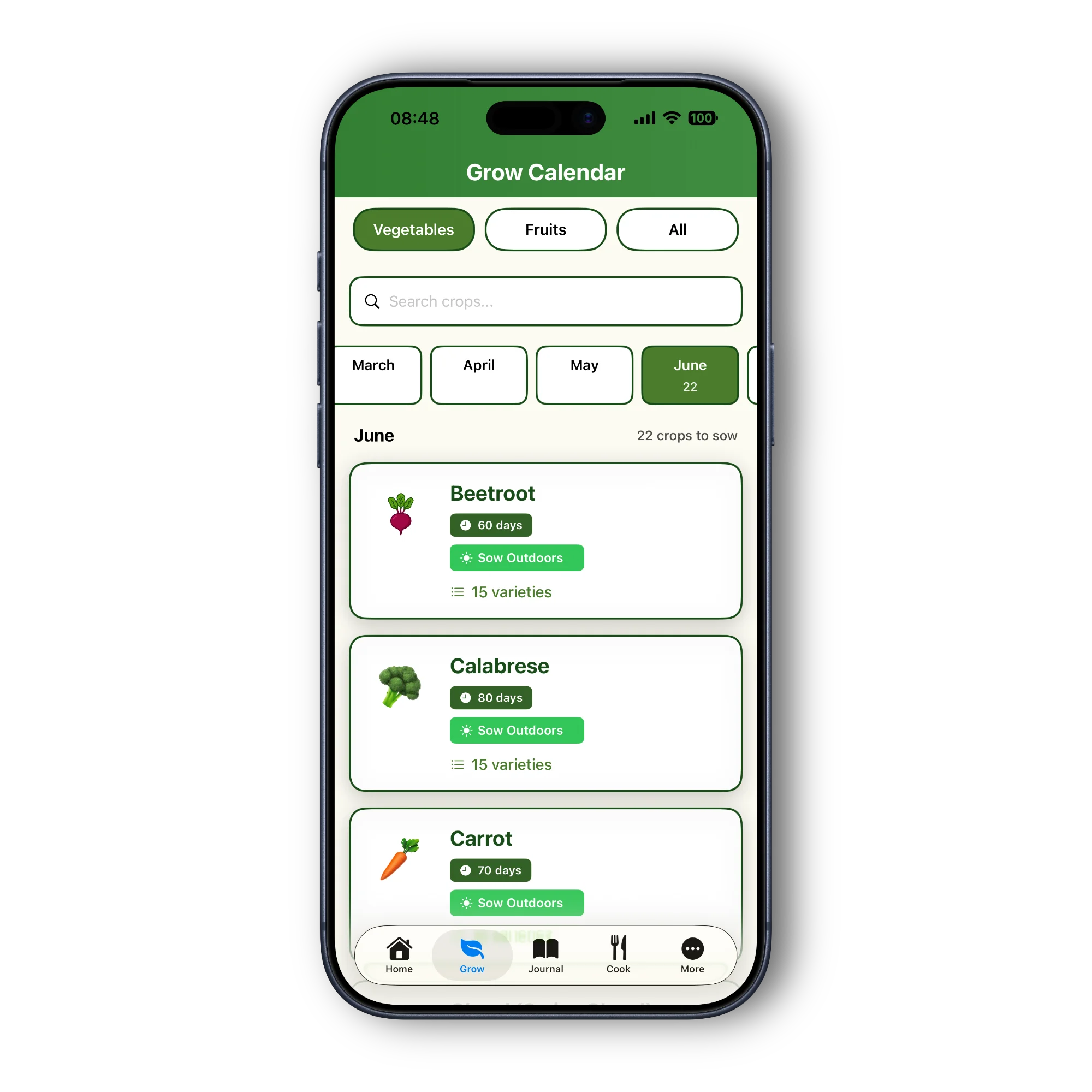
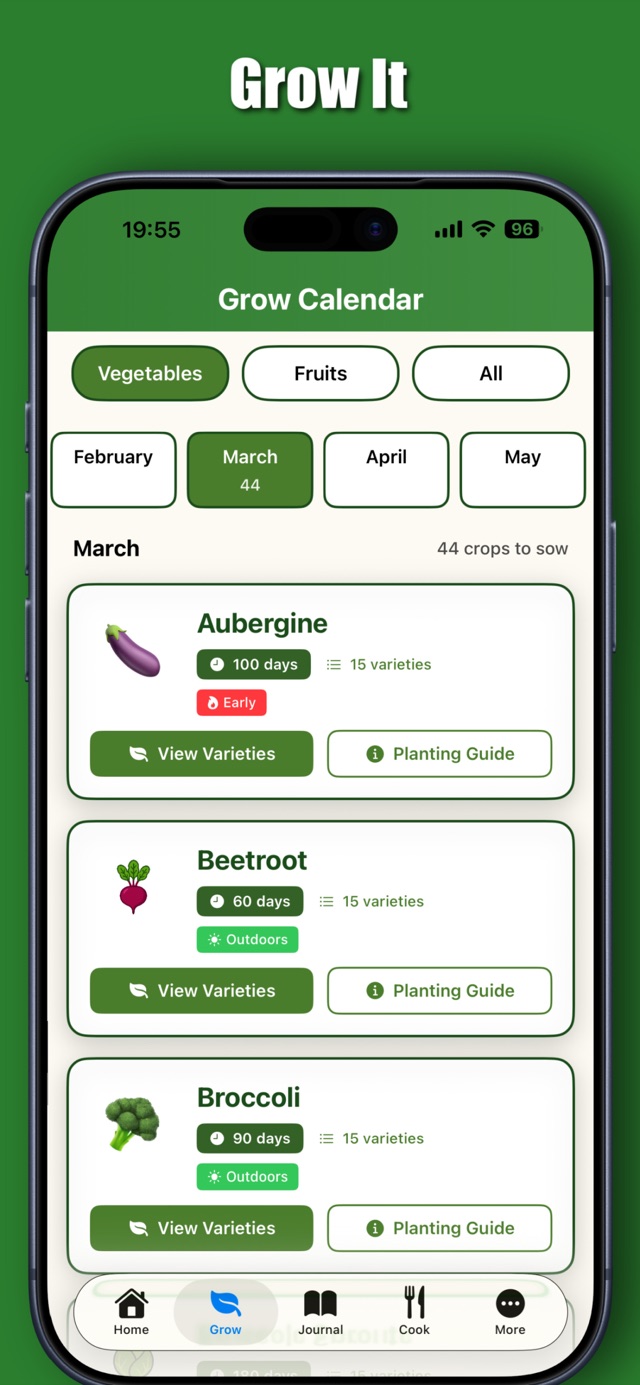
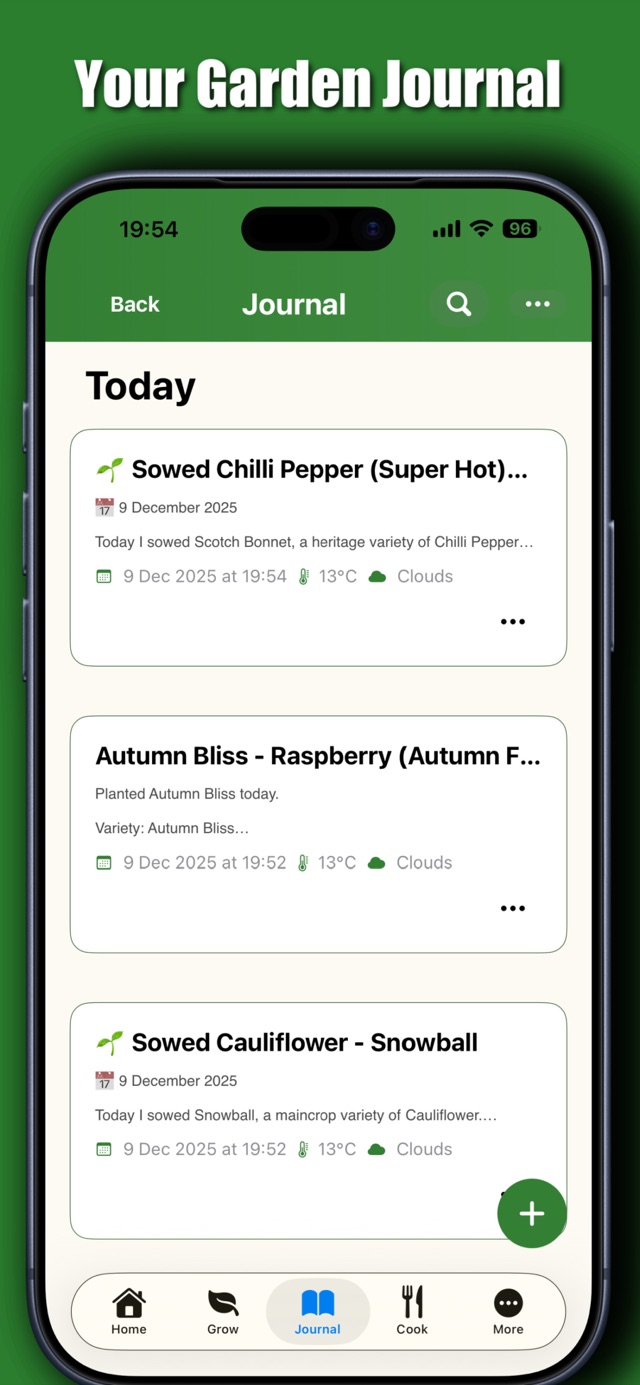
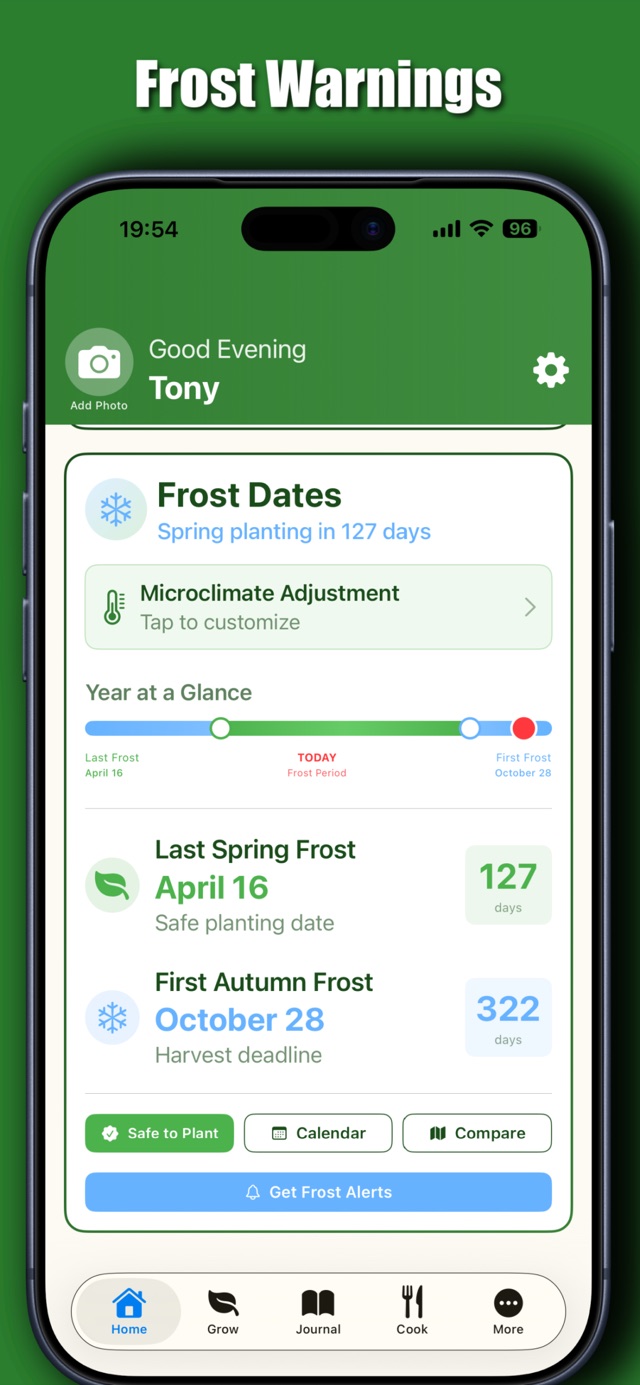
If you’re setting up irrigation and want to keep on top of when things need water, the GrowMore CookMore app is dead handy. The frost date alerts tell you when to start and stop your outdoor watering, and the Garden Journal is brilliant for noting down what irrigation setup you’ve got on each bed so you don’t forget over winter (because you will forget, trust me, I do every year). Plus the Grow Calendar for all 84 vegetables includes watering needs specific to each crop, so you can dial in your drip times properly. It’s all there in one app instead of trying to remember everything in your head, which is how I used to do it, and it didn’t go well. Download it from the App Store and get your watering sorted once and for all.
Look after yourselves. Take good care. ๐ฑ


Leave a Reply