ยท

Sowing Root Vegetables: Carrots, Parsnips, Beetroot and Beyond

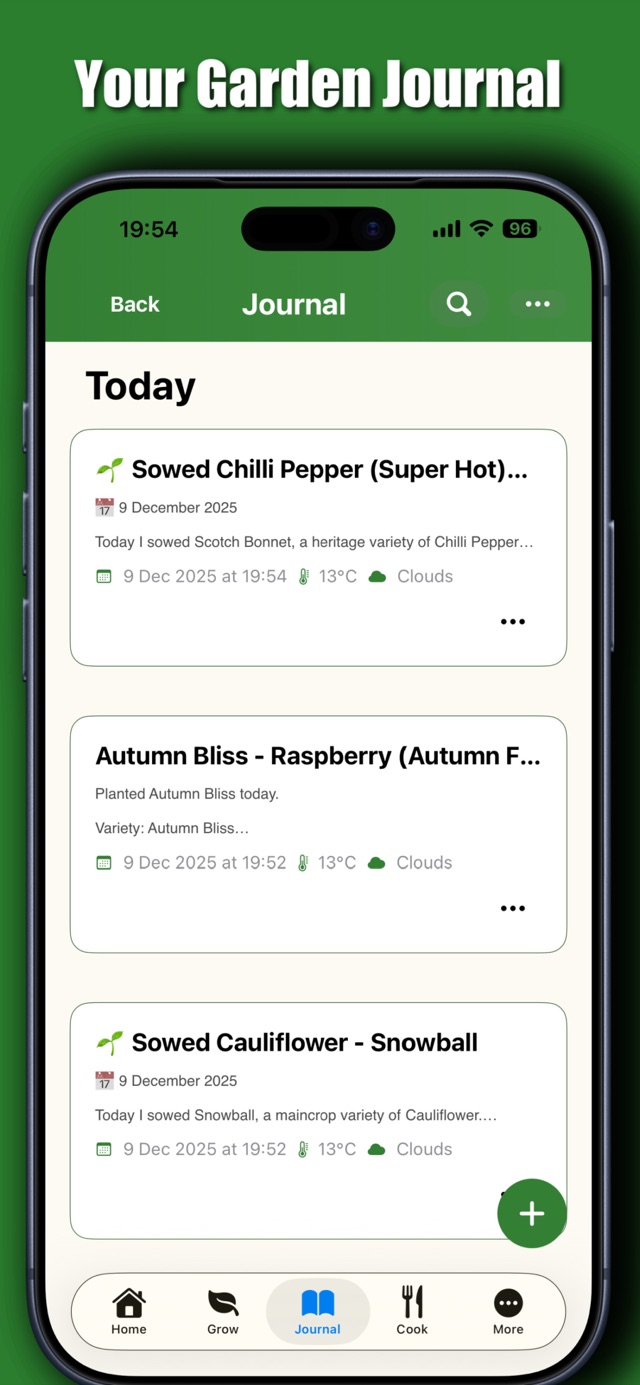
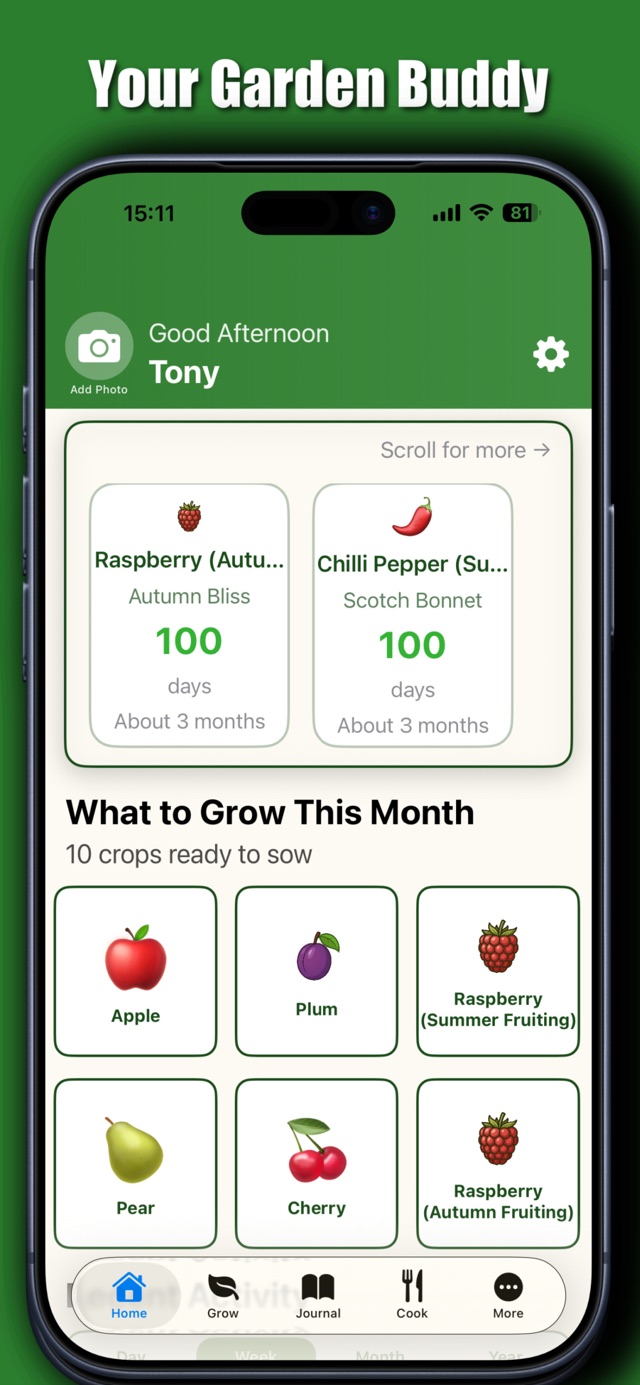
๐ŸŒฑ GrowMore CookMore App Know what to sow, when to harvest, and discover recipes for your garden produce. Root vegetables. Now we’re talking. Carrots, parsnips, beetroot, turnips โ€” these are…

Freshly harvested root vegetables

๐ŸŒฑ GrowMore CookMore App

Know what to sow, when to harvest, and discover recipes for your garden produce.

Download on the App Store

Root vegetables. Now we’re talking. Carrots, parsnips, beetroot, turnips โ€” these are the backbone of any proper allotment. They’re what gets you through autumn and winter with proper home-grown food on the table. And there’s something dead satisfying about pulling a carrot out of the ground that you grew from a tiny little seed. It’s like finding treasure, except the treasure is orange and you can make soup with it.

I’ll be honest though, roots used to frustrate the life out of me. For years I’d sow carrots and get either nothing at all, or these weird, forked, stumpy little things that looked like they’d been in a fight. And don’t get me started on the time I tried parsnips and got literally zero germination. Not one. A whole packet of seeds and not a single thing came up. I was convinced the seeds were duds. Turns out I was just doing everything wrong. Classic Tony.

But here’s the good news โ€” once you understand a few basics about what root veg actually needs, it’s really not that hard. And the rewards are massive. A single row of beetroot will give you more beets than you know what to do with. Actually, that’s not always a good thing โ€” there was that incident with the beetroot that we don’t talk about. Well, we do talk about it actually, because JB brings it up approximately every three weeks. The burned saucepan incident of 2023. I was boiling beetroot, got distracted, and basically welded beetroot to the bottom of me best pan. The kitchen smelled like burnt sugar for about a month. Anyway. Moving on.

๐ŸŒฑ Quick Tip: Root vegetables hate being transplanted. Always sow them directly where they’re going to grow. Moving them causes the roots to fork and go weird. The only exception is beetroot, which can handle being carefully transplanted when very young โ€” but even then, direct sowing is better.

Getting Your Soil Right

This is where most people go wrong with roots, and I include past-me in that group. Root vegetables need fine, stone-free soil. And I mean properly fine. If your soil is lumpy, stony, or has bits of old compost that haven’t broken down, the roots will hit these obstacles and either fork around them or just stop growing. That’s why I kept getting those weird forked carrots โ€” the soil was full of stones and lumps.

The ideal is a bed that’s been dug over and then raked to a fine tilth. That means taking your rake and going over and over the surface until all the big lumps are broken down and you’ve got this lovely fine, crumbly texture. Takes a bit of effort, especially if you’ve got heavy clay like I have, but it’s worth it. Pick out any stones as you go. Yes, all of them. I know, I know. But trust us.

Here’s a crucial thing โ€” don’t add fresh manure or compost to beds where you’re sowing carrots and parsnips. Rich, recently manured soil makes roots fork like mad. Ideally, use a bed where manure was added the previous year so it’s had time to break down properly. I put my roots in the bed that had beans the year before โ€” the beans fix nitrogen so the soil is decent, and any compost I added has had a good twelve months to properly integrate.

Beetroot and turnips are a bit more forgiving on soil conditions โ€” they don’t fork as badly and can handle slightly richer soil. But they still prefer it reasonably fine and free of big stones.

Sowing Carrots

Carrots. My nemesis for years, now one of my favourite things to grow. Here’s what I’ve learned the hard way so you don’t have to.

Make a shallow drill about 1cm deep. I use the back of a rake handle pressed into the soil โ€” gives you a nice straight, even channel. Then sow the seeds thinly. And when I say thinly, I mean THINLY. Carrot seeds are tiny and it’s really easy to end up with them all clumped together. If you sow too thick, you’ll have to thin them out later, and thinning carrots is a nightmare because the smell of crushed carrot leaves attracts carrot fly. We’ll get to carrot fly in a minute. It deserves its own section. Oh yes.

Hands sowing seeds in a row

A trick I learned from Audrey โ€” mix your carrot seeds with a bit of dry sand before sowing. It spreads them out more evenly and you can actually see where you’ve sown because the sand shows up against the dark soil. Brilliant tip. Simple but brilliant. I use about a tablespoon of seeds to a cup of fine sand, mix it up, and then dribble it along the drill. Works a treat.

Cover lightly with fine soil, pat it down gently, and water with a fine rose on your watering can. Don’t blast them or you’ll wash the seeds everywhere. Then wait. And wait. And wait some more. Carrots are slowest germinators known to man. I’m exaggerating, but seriously, it can take two to three weeks before you see anything. Don’t panic. Don’t dig them up to check. Don’t sow more on top because you think the first lot hasn’t worked. Just wait. They’ll come.

The Carrot Fly Situation

Right, carrot fly. If you’ve grown carrots, you’ve dealt with carrot fly. If you haven’t dealt with carrot fly, you either live somewhere very windy (they can’t fly well in wind) or you’re incredibly lucky. Carrot fly is this little pest that lays its eggs in the soil near carrots. The larvae tunnel into the roots and turn your beautiful carrots into something that looks like it’s been attacked by tiny, very angry worms. Disgusting and heartbreaking in equal measure.

The good news is that carrot fly is low-flying. It rarely goes above about 60cm off the ground. So the classic defence is to grow your carrots inside a barrier that’s at least 60cm tall. You can use fine mesh or enviromesh stretched around stakes. Or do what I do and grow them in raised beds with the sides built up to about two feet high. The fly comes buzzing along at ankle height, hits the barrier, and can’t be bothered to fly over it. Lazy little blighters.

Also, don’t thin your carrots if you can help it (hence sowing thinly in the first place). The smell of bruised carrot foliage is what attracts the fly from up to half a mile away. If you absolutely must thin, do it on a still evening and water the row afterwards to wash the smell away. And take the thinnings away from the plot โ€” don’t leave them lying about on the path like a carrot-scented welcome mat for flies.

๐Ÿ”ฐ Beginner’s Trick: Some carrot varieties are bred to be resistant to carrot fly โ€” ‘Flyaway’ and ‘Resistafly’ are two good ones. They’re not completely immune, but they’re much less likely to be badly affected. Worth growing if carrot fly is a big problem on your plot.

Sowing Parsnips

Parsnips. The vegetable that tests your patience more than any other. I’m not joking. If you can successfully grow parsnips, you can grow anything. They’re the final boss of root vegetables.

First thing โ€” always use fresh seed. Parsnip seed only stays viable for about a year, and even then the germination rate is pretty pants. Don’t use leftover seed from two years ago. It won’t work. I’ve tried. Multiple times. Because apparently I don’t learn from my mistakes. Buy fresh every year. It’s not expensive and it’s the difference between getting parsnips and getting nothing.

Sow them similar to carrots but a bit deeper โ€” about 2cm. Space the seeds about 15cm apart because you really don’t want to be thinning parsnips. Three seeds per station is what I do, then remove the weaker two if all three come up. Which they won’t, because it’s parsnips and half of them never germinate regardless of what you do. It’s just how they roll.

They take even longer than carrots to germinate โ€” three to four weeks is normal. I mark my parsnip rows with a row of radishes sown along the same drill. The radishes come up in about a week, showing you where the row is so you don’t accidentally weed out the parsnips when they finally appear. Plus you get free radishes. Win-win.

Sowing Beetroot

Now beetroot โ€” this is the easy one. If you can’t grow beetroot, gardening might not be for you. I’m joking. Sort of. But seriously, beetroot is dead reliable, grows fast, and you can sow it every few weeks from April right through to July for a continuous supply.

Beetroot seeds are actually clusters of seeds, so each “seed” will produce two or three seedlings. You’ll need to thin to one per cluster once they’ve got their first true leaves. Space the clusters about 10-15cm apart in rows about 30cm apart. Cover with about 2cm of soil and water in. They’ll be up in a week to ten days.

The beauty of beetroot is how versatile the spacing is. Want big roots for roasting? Space them further apart โ€” 15cm โ€” and leave them to grow for 10-12 weeks. Want baby beets for salads? Sow closer โ€” 5cm โ€” and harvest when they’re golf-ball sized at about 6-8 weeks. I do both. The baby beets are belting in a salad with goat cheese. Assuming you don’t burn them. Which I have. We’ve covered that.

Fresh vegetables from the garden

Turnips, Swedes, and the Underrated Bunch

Don’t sleep on turnips, honestly. I know they’ve got a reputation as being a bit boring โ€” “turnip” is basically an insult in some parts โ€” but a freshly pulled turnip from the garden is completely different from those sad, waxy things you get in the supermarket. Sow them like beetroot, thin to about 15cm apart, and harvest when they’re tennis-ball sized. Lovely roasted with a bit of butter and black pepper.

Swedes take longer โ€” they’re more of a late season crop. Sow in May or June and they’ll be ready from October onwards. They’re incredibly hardy and can stay in the ground through winter, which is brilliant. Just pull one up when you need it. Fresh swede mash with a Sunday roast in January, when everything else on the plot is dormant. That’s the dream right there.

Succession Sowing โ€” The Key to Never Running Out

Here’s a thing that took me embarrassingly long to work out. You don’t have to sow all your roots at once. In fact, you shouldn’t. If you sow all your carrots in April, they’ll all be ready in August, and you’ll have about three hundred carrots at once and none for the rest of the year. It’s feast or famine.

Instead, sow a short row every two to three weeks from April through to June or even July. That way you’ve got a steady stream of roots coming through from summer right into autumn and winter. I do three sowings of carrots, three of beetroot, and two of turnips. It’s the best system I’ve found for keeping us in root veg for as long as possible.

Plant later, sow less, get more. That’s my mantra and it properly applies here. You don’t need twenty rows of carrots all at once. A few short rows, sown at intervals, will keep you going for months and you won’t have the stress of trying to harvest and store everything in one go.

๐Ÿ“ฑ Plan Your Root Veg with GrowMore CookMore

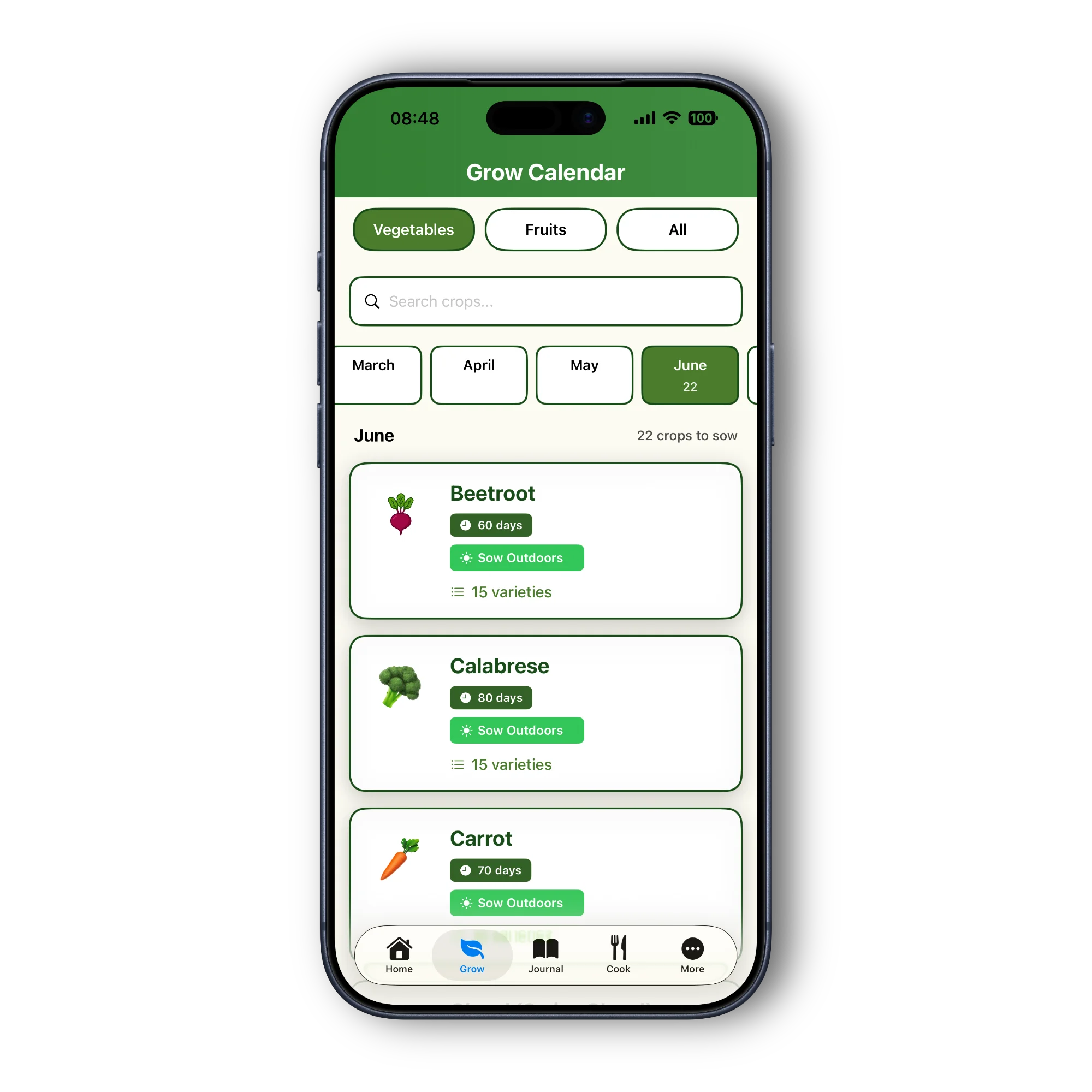
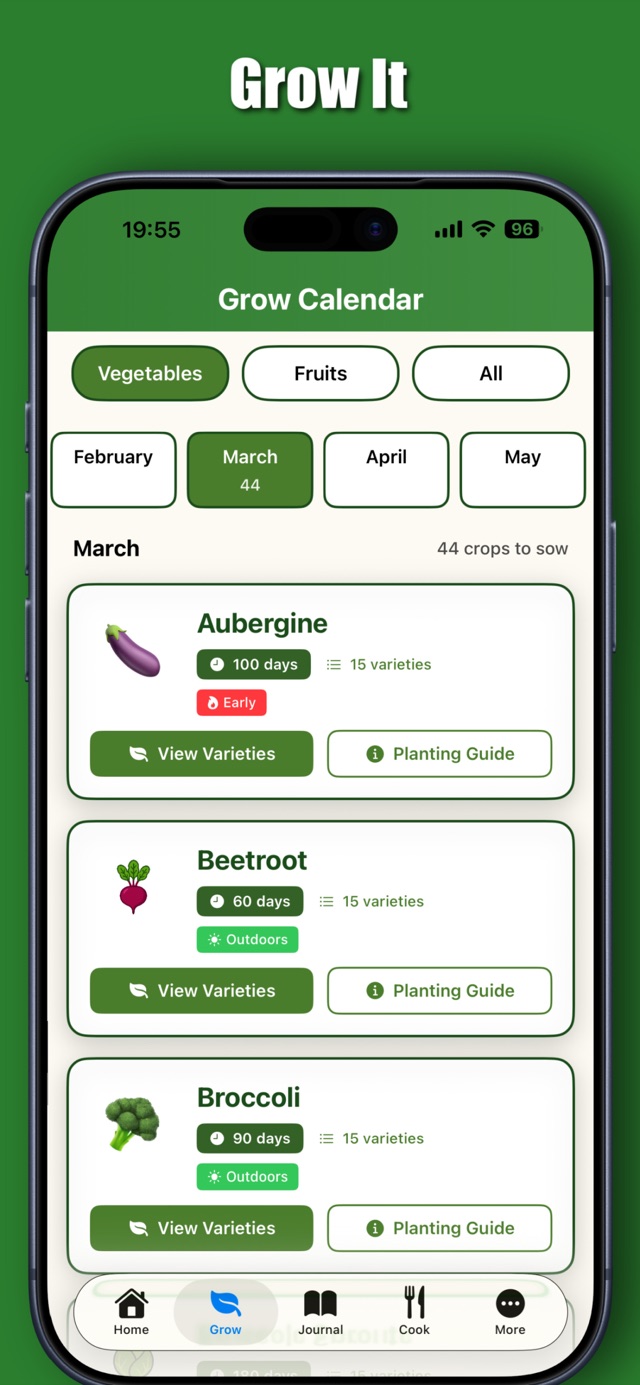
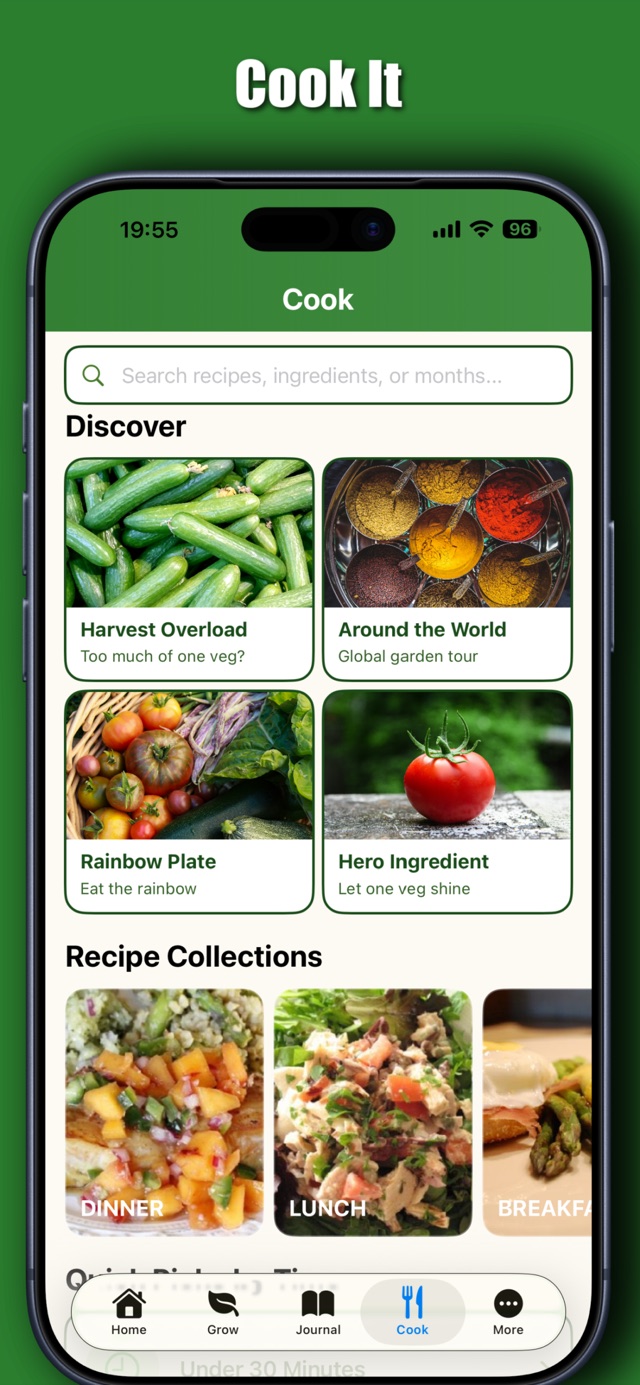
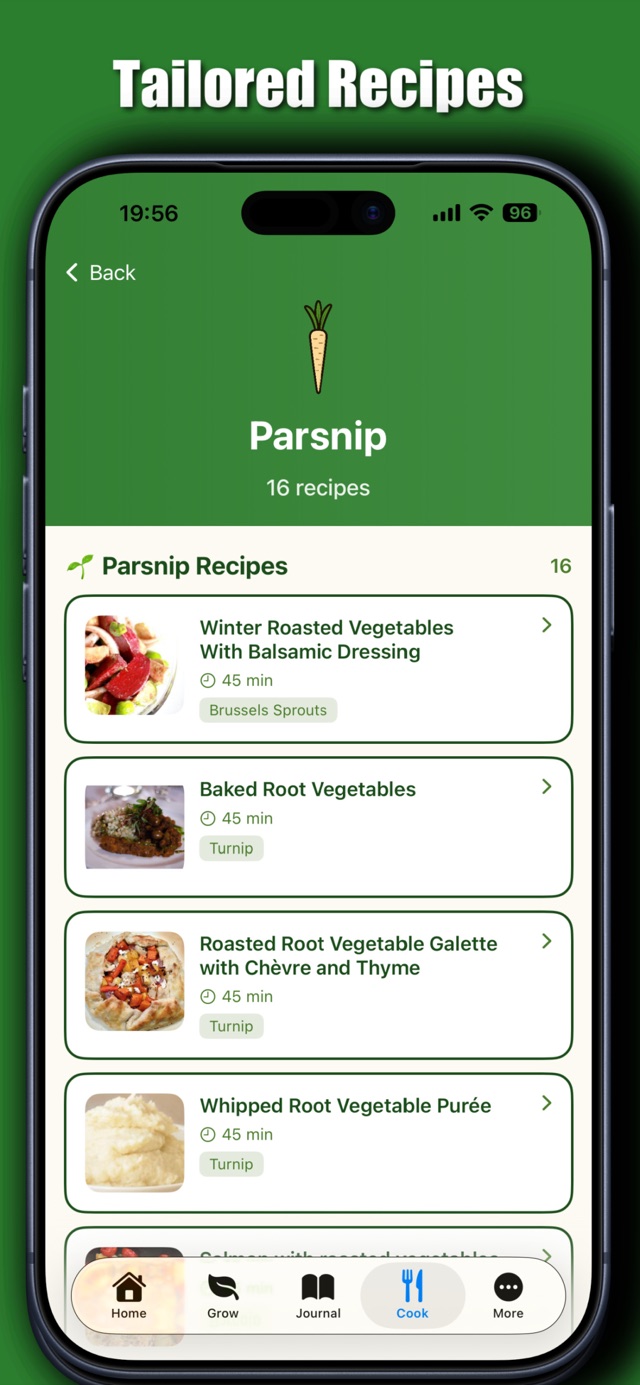
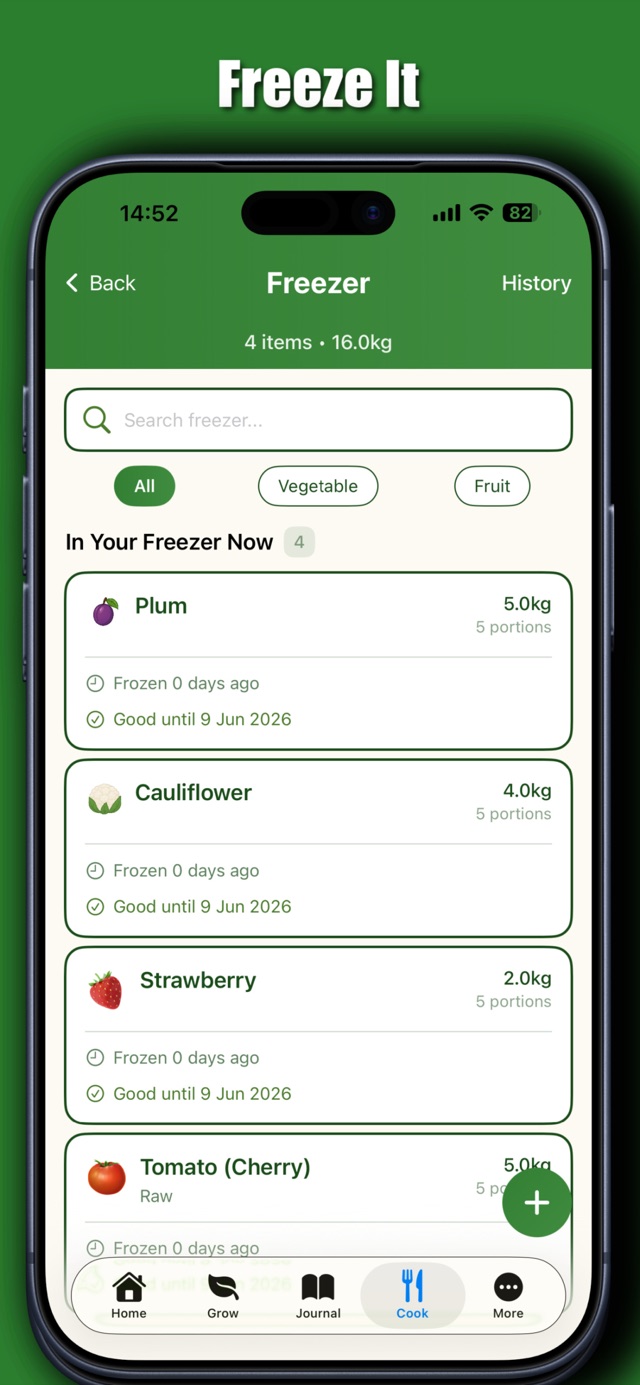
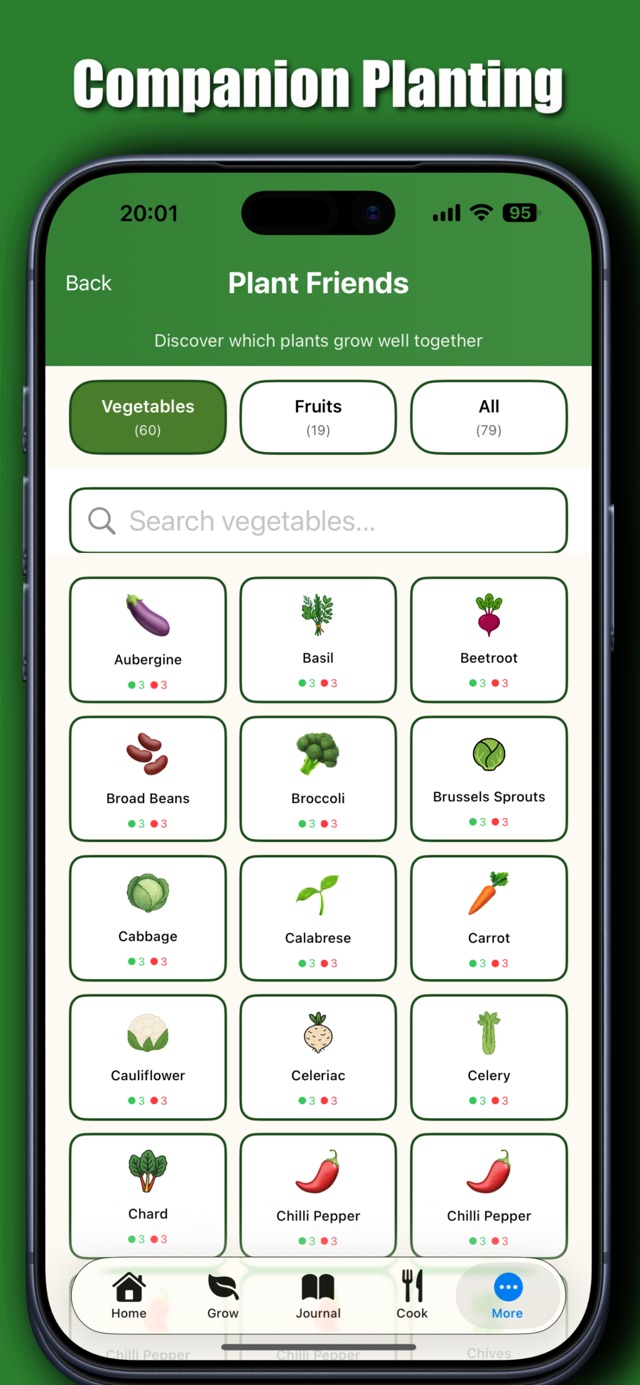
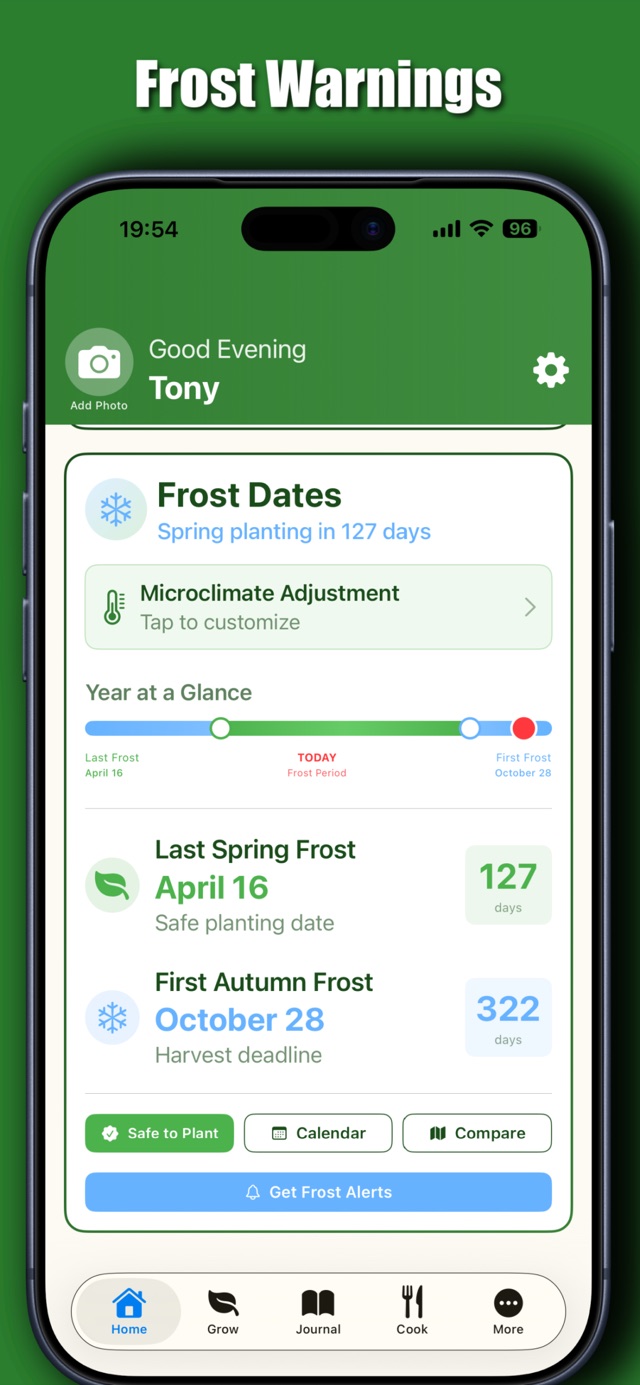
Root vegetables are all about timing โ€” sow too early and they bolt, sow too late and they don’t bulk up. The GrowMore CookMore app takes the guesswork out with personalised sowing windows for your exact location, covering all the major roots including carrots, parsnips, beetroot, turnips, and swedes. It’ll even remind you when it’s time for your next succession sowing so you never end up with a glut or a gap. And when harvest comes around and you’ve got more beetroot than you know what to do with, there are over 200 recipes in there to help you use it all up โ€” without burning your best pan. Believe me, I’ve bookmarked the roasted beetroot one myself. Get it on the App Store and take the stress out of sowing season.

Look after yourselves. Take good care. ๐ŸŒฑ

Comments

Leave a Reply

Your email address will not be published. Required fields are marked *