ยท

Building a Wildlife Pond: A Haven for Nature in Your Garden

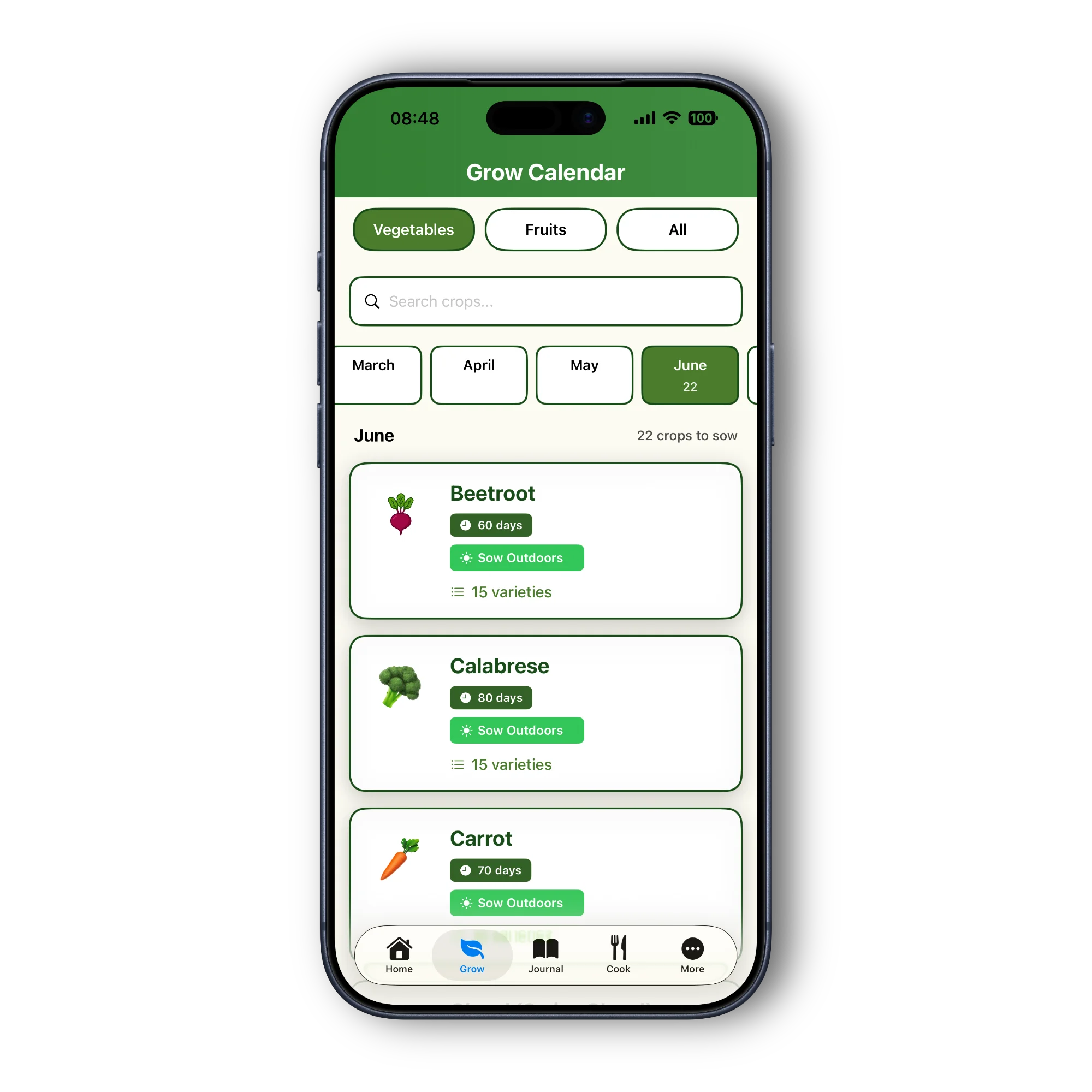
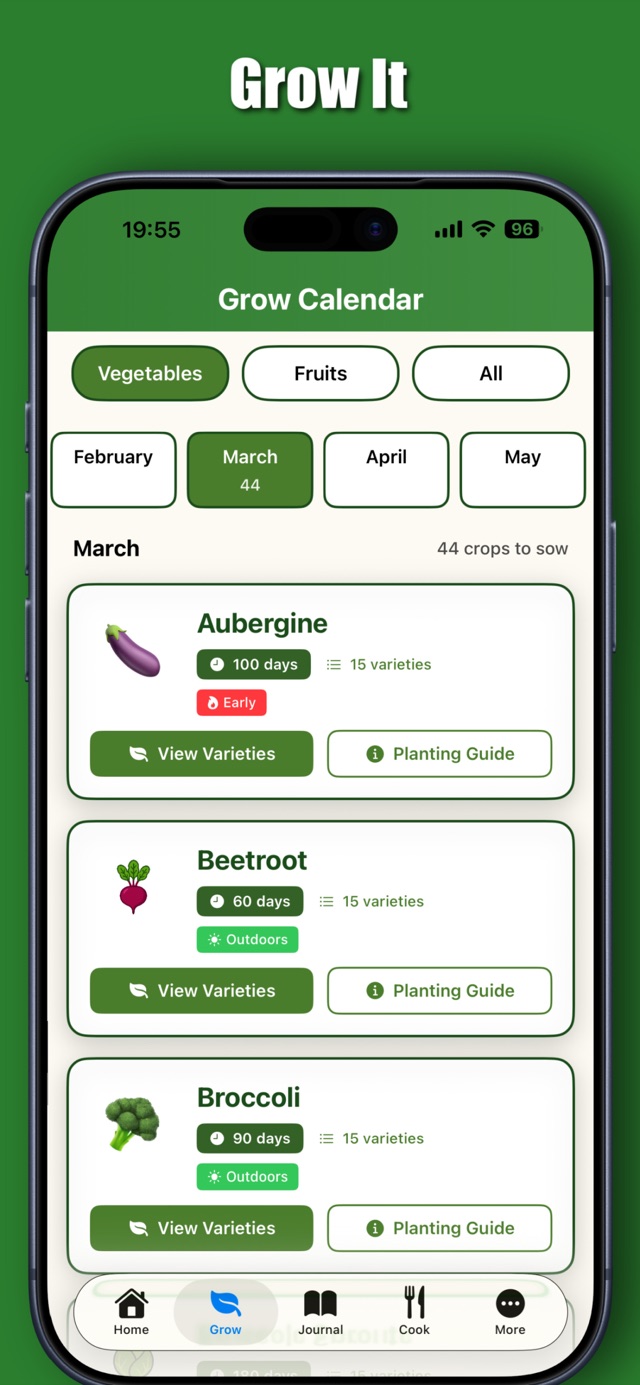
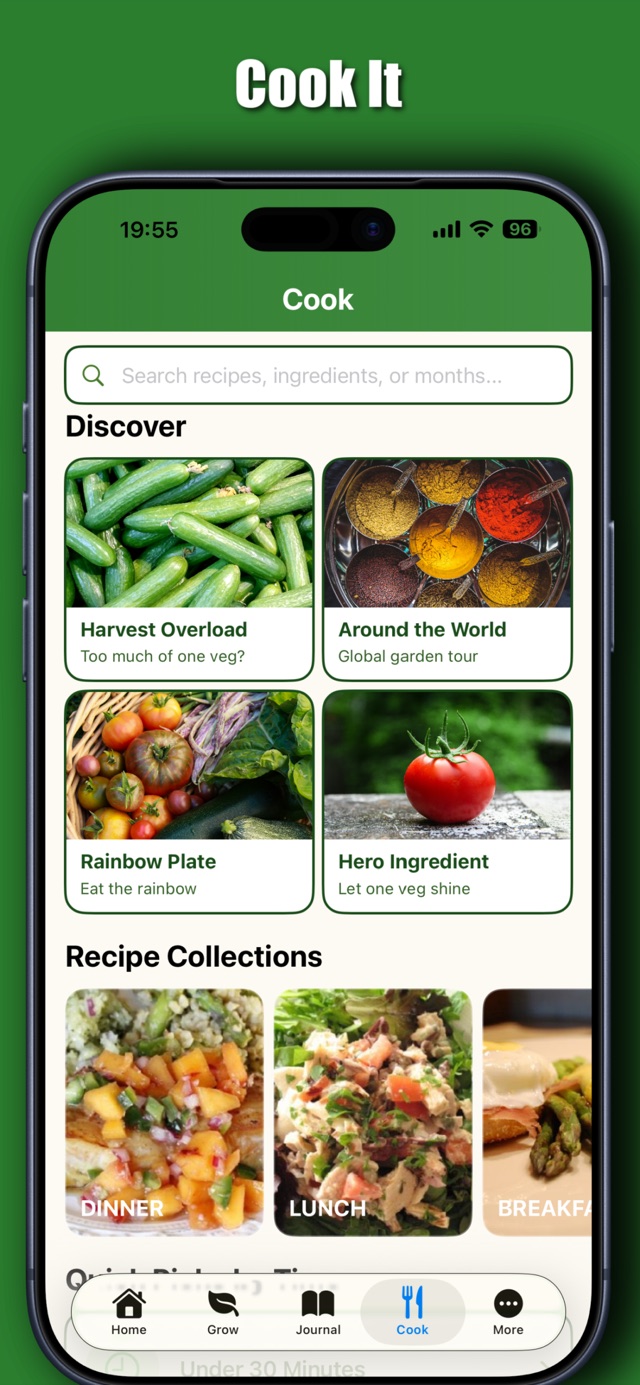
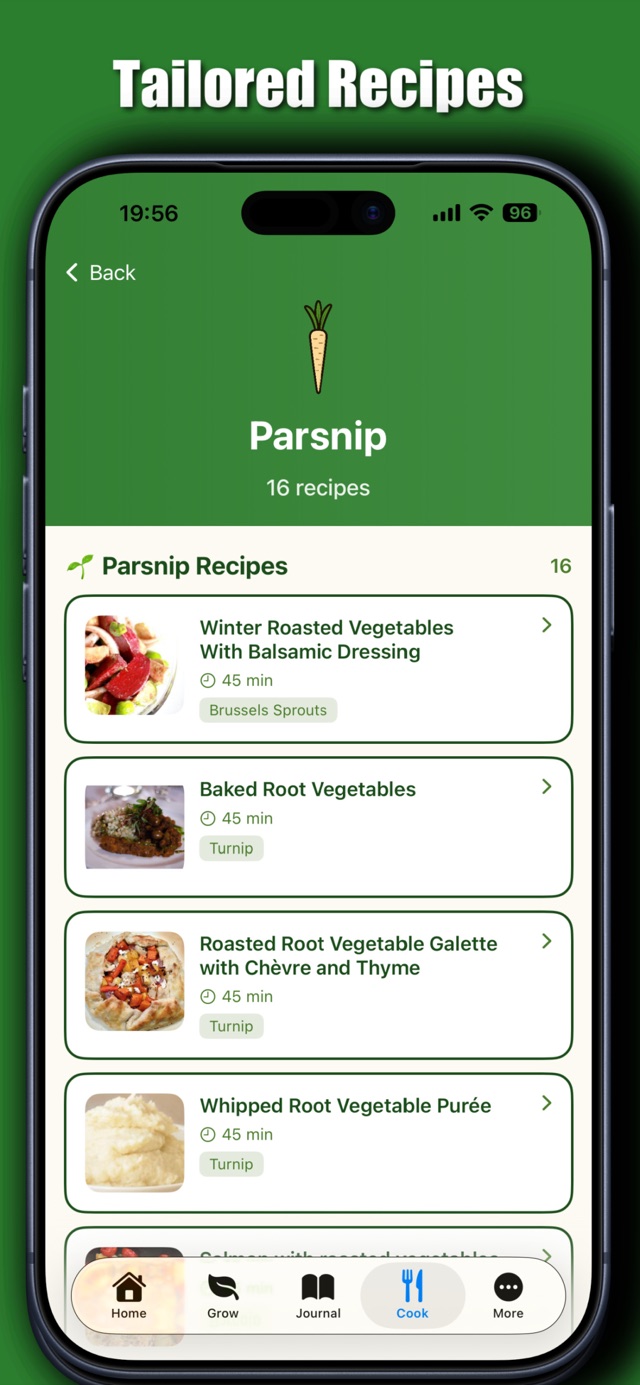
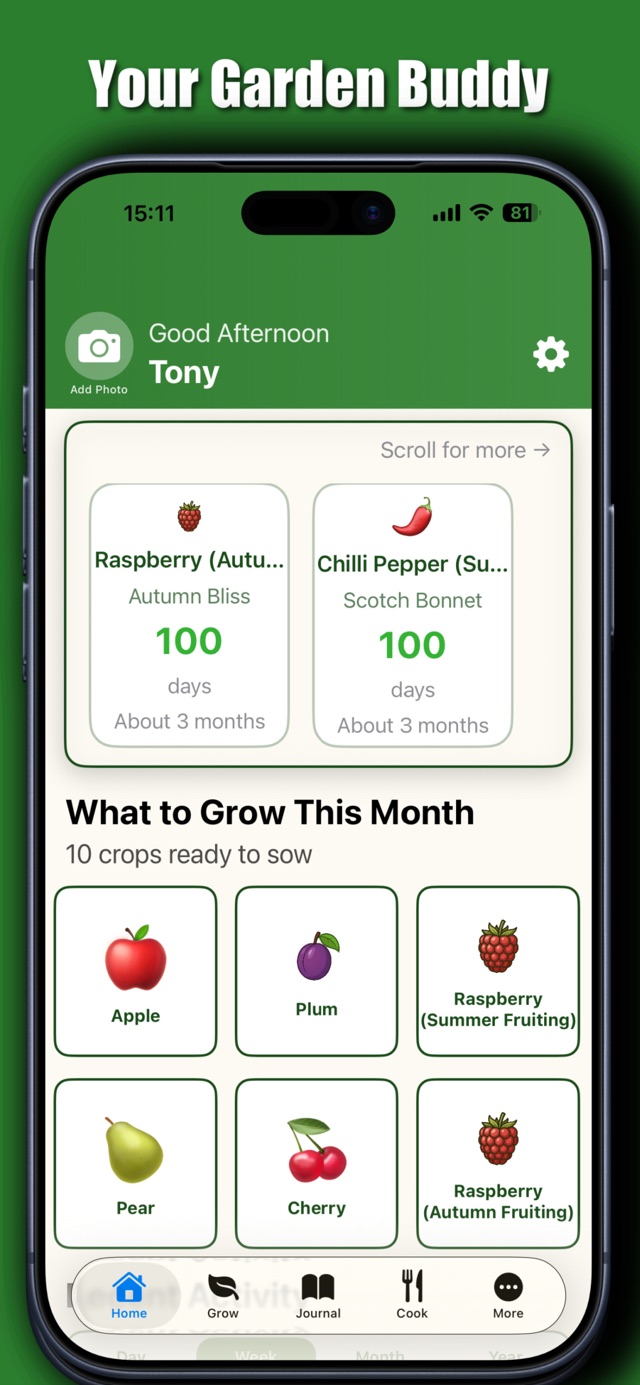
๐ŸŒฑ GrowMore CookMore App Know what to sow, when to harvest, and discover recipes for your garden produce. Right, wildlife ponds. Now this might seem like a bit of an…

Small wildlife pond in a garden

๐ŸŒฑ GrowMore CookMore App

Know what to sow, when to harvest, and discover recipes for your garden produce.

Download on the App Store

Right, wildlife ponds. Now this might seem like a bit of an odd one for a gardening blog โ€” “Tony, I want to grow tomatoes, not keep fish” โ€” but hear us out. A wildlife pond, even a tiny one, is one of the single best things you can add to any garden or allotment. And I’m not talking about some massive koi carp situation with a filter and a pump and all that carry on. I’m talking about a simple, small pond that attracts frogs, newts, dragonflies, and all sorts of beneficial wildlife that’ll help your garden thrive. It’s like hiring a pest control team that works for free and doesn’t need paying.

I put a pond in on my allotment about three years ago. Dead simple. Took a Saturday afternoon. And the difference it’s made is unbelievable. Within the first summer I had frogs in there. Proper frogs, just turned up from nowhere. And frogs eat slugs. You know what I think about slugs. So anything that eats slugs is a welcome guest on my plot. I’d roll out a red carpet for them if I thought it would help.

JB was dead sceptical when I started digging. “What are you doing, building a swimming pool?” Very funny, JB. But even he admits now that the biodiversity on my corner of the allotment has gone through the roof since the pond went in. Dragonflies everywhere in summer. Birds come to drink and bathe. There’s even a toad that lives under my shed and pops down to the pond on warm evenings. I’ve called him Gerald. Daisy is absolutely terrified of Gerald, which is hilarious for a Doberman.

๐ŸŒฑ Quick Tip: You don’t need a big space for a wildlife pond. Even a washing-up bowl sunk into the ground can make a difference. The key is having shallow edges so wildlife can get in and out easily, and some aquatic plants for cover and oxygenation.

Choosing Your Spot

Location matters more than you’d think. You want somewhere that gets a decent amount of sun โ€” at least six hours a day ideally. Aquatic plants need sunlight to grow, and the warmth encourages the insects and amphibians. But you also don’t want it in full blazing sun all day because the water will get too warm and go green with algae. A spot that gets morning sun and afternoon shade is the sweet spot.

Don’t put it right under a tree. I know it’s tempting because it looks nice and natural, but you’ll spend your entire autumn fishing leaves out of it. Fallen leaves rot in the water, release nutrients, and before you know it you’ve got a stinky green soup instead of a pond. A few metres away from trees is fine โ€” you’ll still get the odd leaf blow in but it won’t be a nightmare.

Also think about where it’ll be most useful for your garden. Near your veg beds is ideal because that’s where you want the frogs and beneficial insects to be. No point having a pond on the far side of your garden if all the slugs are eating your lettuce at the other end. Put it where the action is.

Digging the Hole

Right, the fun bit. And by fun I mean “exercise disguised as a hobby.” Dig a hole. How big? Bigger is generally better for wildlife, but even a pond that’s about a metre across and 40-50cm deep at the deepest point will do the job. The key thing is to have different depths โ€” shallow shelves around the edges and a deeper section in the middle.

Digging into garden soil

The shallow edges are crucial. Wildlife needs to be able to get in and out. A pond with steep sides is basically a death trap for hedgehogs and other small creatures. Create a gentle slope on at least one side โ€” like a little beach. I used a combination of digging the shape and then piling up the soil at the edges to create the slope. It doesn’t have to be pretty underground. Nobody’s going to see it once it’s filled.

Remove any stones, roots, or sharp objects from the hole. These can puncture your liner. I spent about twenty minutes picking things out and still managed to miss a sharp root that poked through after about six months. Had to drain the whole thing and patch it. Learn from my incompetence, please.

Lining It

You’ll need a pond liner. Butyl rubber liner is the best โ€” it’s tough, flexible, lasts for years, and it’s not that expensive for a small pond. You can get offcuts online fairly cheap. Measure your hole and add about 30cm extra on each side for overlap.

Before laying the liner, put down a layer of something soft underneath โ€” old carpet, sand, or purpose-made pond underlay. This protects the liner from stones that work their way up through the soil (and they do, trust me โ€” stones in soil are like submarines, they just keep surfacing). I used a load of old newspaper and an offcut of carpet from when we redid the front room. Recycling, innit.

Lay the liner in, press it into the contours, and try to smooth out the big wrinkles. Don’t stress about it being perfect โ€” once there’s water and plants in there, you won’t see the liner. Weight down the edges with stones or bricks while you fill it. Speaking of filling โ€” use rainwater if you can. Tap water has chlorine and other stuff in it that’s not great for pond wildlife. If you have to use tap water, fill it and then leave it for a week before adding any plants to let the chlorine evaporate.

Plants โ€” The Really Important Bit

A wildlife pond without plants is just a puddle with ideas above its station. Plants are what make it work. They oxygenate the water, provide cover for wildlife, give insects somewhere to land and lay eggs, and help keep the water clear naturally.

You want a mix of three types. Submerged oxygenating plants โ€” these sit below the surface and keep the water healthy. Hornwort and water starwort are good ones. Then marginal plants that grow around the edges in the shallow water โ€” marsh marigold, water forget-me-not, and purple loosestrife are all brilliant and look gorgeous. And finally, a couple of floating plants like frogbit that provide surface cover.

Don’t go mad though. Start with a few plants and let them establish. They’ll spread on their own. My pond went from “a few carefully placed plants” to “basically a jungle” in about two seasons. I have to thin things out every autumn now. Which is a nice problem to have, really.

One important rule โ€” NEVER put fish in a wildlife pond. Fish eat the tadpoles, larvae, and other wildlife that you’re trying to attract. The whole point is to let nature do its thing without something at the top of the food chain eating everything. If you want fish, that’s a different kind of pond entirely. This one’s for the frogs and the dragonflies.

๐Ÿ”ฐ Beginner’s Trick: Don’t buy frogspawn or import frogs. If you build it, they will come. Literally. Within the first season, amphibians will find your pond naturally. It’s actually quite magical โ€” you go out one morning and there’s just a frog sitting there looking at you like “this is my pond now.” Love it.

Wildlife That’ll Turn Up

This is the exciting bit. Within the first few weeks you’ll start seeing pond skaters and water beetles. Dragonflies and damselflies will be laying eggs within the first summer. Frogs and toads usually find the pond within the first year โ€” they can smell water from a surprisingly long distance. By year two, if you’re lucky, you’ll have newts. I’ve got smooth newts in mine and they are absolutely fascinating to watch. Just sit by the pond with a cup of tea and watch them swimming about. Dead relaxing.

Natural garden habitat area

Birds love a pond too. They’ll come to drink, bathe, and hunt for insects around the edges. I’ve had robins, blue tits, blackbirds, and even a kingfisher once, though I think the kingfisher was just lost. Hedgehogs will drink from it too โ€” which is another reason for those shallow edges. You don’t want a hedgehog falling in and not being able to get out.

And here’s the gardening benefit โ€” all these creatures are working for you. Frogs and toads eat slugs and snails. Dragonflies eat midges and mosquitoes. Birds eat caterpillars and aphids. It’s free, organic pest control delivered straight to your beds. All you had to do was dig a hole and fill it with water. Not bad for a Saturday afternoon’s work, eh?

Maintenance Through the Year

One of the best things about a wildlife pond is how little maintenance it needs. This is not a swimming pool โ€” you’re not cleaning it every week. In fact, the less you mess with it, the better. Nature knows what it’s doing.

In autumn, scoop out fallen leaves before they rot. A net stretched over the surface for a few weeks during peak leaf-fall works well. In spring, thin out any plants that have gone mental over winter. Keep about two-thirds of the surface clear โ€” if it’s completely covered in plants, not enough light gets through and the submerged oxygenators struggle.

Top up with rainwater during dry spells. A small water butt nearby with a hose for top-ups is ideal. If the level drops too much in summer, the shallow edges dry out and that’s where a lot of the wildlife lives. I keep an eye on mine in hot weather and top up every week or so.

And that’s basically it. A wildlife pond is genuinely one of the easiest and most rewarding things you can build in a garden. Mine has brought me more joy than almost anything else on the allotment. Except maybe the runner beans. And the spuds. Okay, it’s joint third. But that’s still pretty good.

๐Ÿ“ฑ Your Garden’s Bigger Picture with GrowMore CookMore

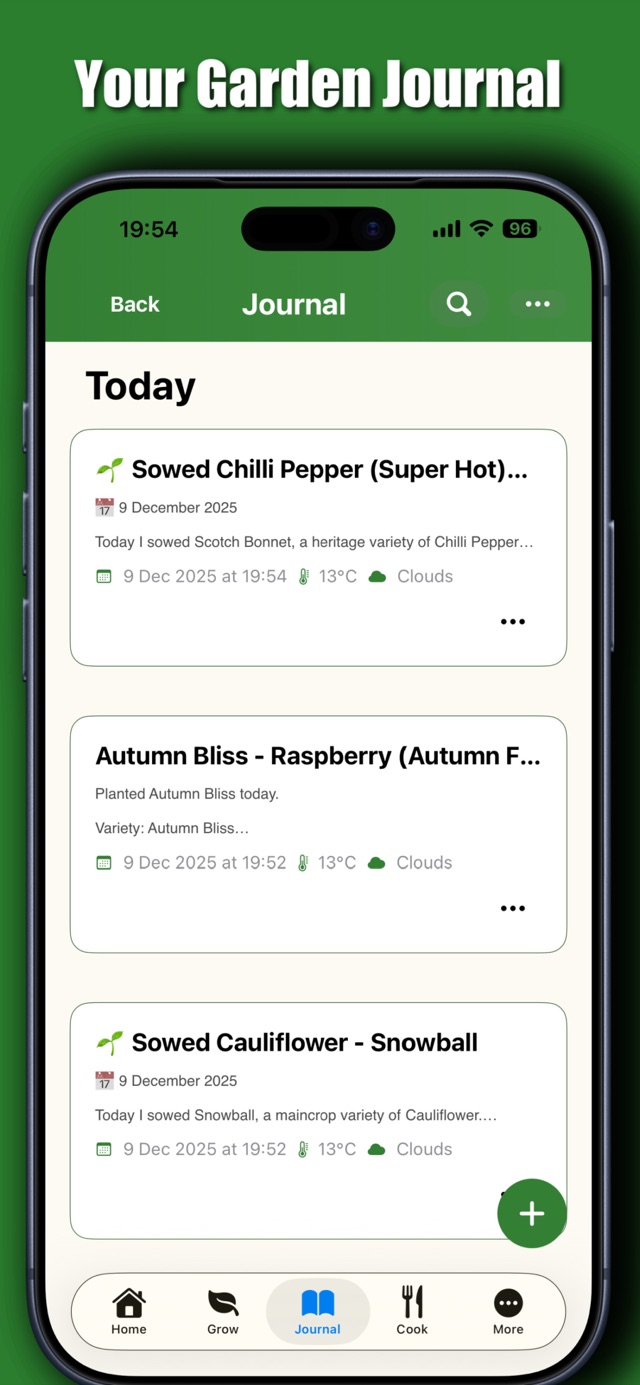
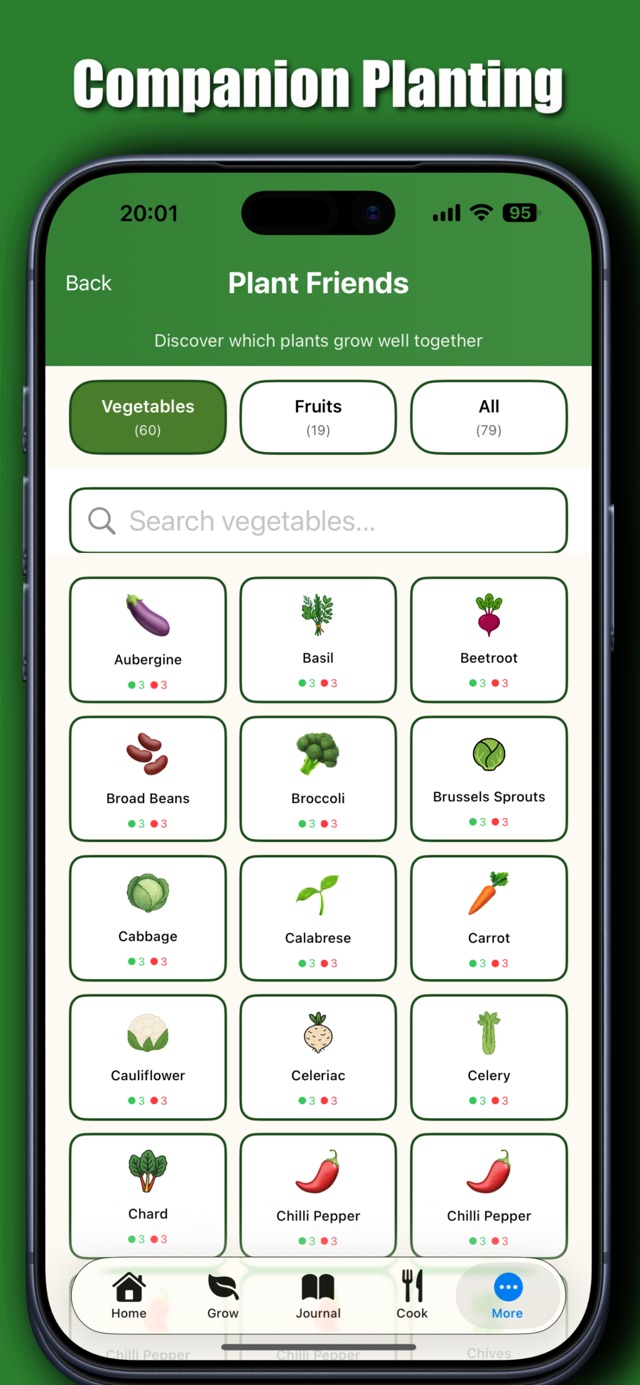
A wildlife pond is part of thinking about your garden as a whole ecosystem, not just rows of veg. The GrowMore CookMore app helps you see that bigger picture with its companion planting guides โ€” knowing which plants attract beneficial insects works hand-in-hand with a pond to create a garden that practically manages itself. Use the Garden Journal to track what wildlife you’re spotting and when, and the Grow Calendar to plan your planting so there’s always something flowering near the pond to attract pollinators. It’s about working with nature, not against it โ€” and the app helps you do exactly that. Download from the App Store and start building your garden ecosystem.

Look after yourselves. Take good care. ๐ŸŒฑ

Comments

Leave a Reply

Your email address will not be published. Required fields are marked *