ยท

Planting Out Summer Crops: Time to Fill Your Beds with Sunshine Veg

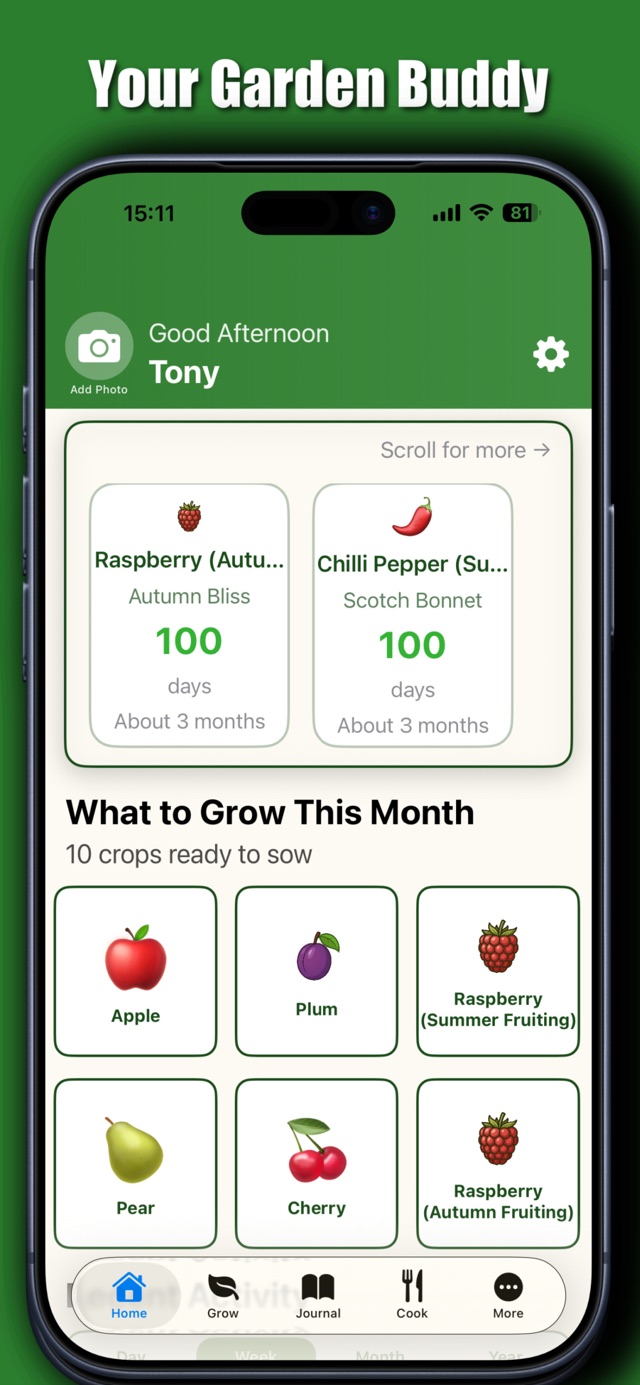
๐ŸŒฑ GrowMore CookMore App Know what to sow, when to harvest, and discover recipes for your garden produce. This is it. The big one. The moment you’ve been building up…

Planting summer crops in garden bed

๐ŸŒฑ GrowMore CookMore App

Know what to sow, when to harvest, and discover recipes for your garden produce.

Download on the App Store

This is it. The big one. The moment you’ve been building up to since about February when you first started those seeds on the windowsill. Planting out summer crops โ€” getting your tomatoes, courgettes, squash, beans, sweetcorn, peppers, and all that good stuff out into the beds where they belong. It’s like moving day, except for plants. And hopefully less stressful than actual moving day, though knowing my luck, probably not.

I absolutely love this time of year. There’s something about carrying a tray of plants up to the allotment, each one in its little pot, all hardened off and ready to go โ€” it’s proper exciting. Like being a kid on Christmas morning except you’re fifty-odd and you’re excited about courgettes. Don’t judge me. Courgettes are exciting. Especially when you remember that six weeks from now you’ll have so many courgettes you’ll be leaving them on people’s doorsteps like some sort of vegetable Santa.

Now the key to successful planting out โ€” and I cannot stress this enough โ€” is timing. Too early and a late frost will kill your tender plants stone dead. Too late and they won’t have enough growing season to produce a proper harvest. There’s a sweet spot in there and finding it is part science, part luck, and part staring at the BBC weather forecast while muttering under your breath.

๐ŸŒฑ Quick Tip: The golden rule for planting out tender crops in the UK โ€” wait until after the last frost date for your area. For most of England, that’s late May. For Scotland and northern areas, it could be early June. When in doubt, wait. One more week inside won’t hurt them. One frost outside will kill them.

Hardening Off โ€” Don’t Skip This

Before anything goes outside permanently, it needs hardening off. This means gradually getting your plants used to outdoor conditions โ€” wind, temperature changes, direct sun โ€” over about 7-10 days. Indoor-grown plants are soft. They’ve had it easy. They need to toughen up before they can handle the real world. A bit like teenagers, really.

I start by putting my trays outside during the day in a sheltered spot โ€” against the south-facing wall of the shed works perfectly. Bring them in at night. After a few days, leave them out overnight if it’s mild. By the end of the week or ten days, they should be living outside full-time and ready to go in the ground.

Skip this step and you’ll know about it. I did, once. Stuck a tray of tomato plants straight out from the greenhouse into the bed on a sunny morning. By afternoon the leaves were all scorched and bleached white from UV shock. Three of them died outright. The rest took about two weeks to recover. JB very helpfully pointed out that “you probably should have hardened them off, like.” Yes, JB. Thanks, JB. Very helpful after the fact, JB.

Planting Out Tomatoes

Tomatoes are probably the most popular summer crop and for good reason โ€” a home-grown tomato tastes absolutely nothing like a supermarket one. Nothing. It’s like comparing a Michelin star steak to a school dinner burger. Once you’ve had a proper home-grown tom, still warm from the sun, there’s no going back.

Plant them deep โ€” right up to the first set of true leaves. Like brassicas, tomatoes can produce roots from the buried stem, which gives them a stronger root system. Space them about 45cm apart for bush varieties, a bit more for cordon types. Cordon tomatoes (the ones you grow up a single stem) need a sturdy stake or support. I use 6-foot bamboo canes, pushed well into the soil so they don’t topple over when the plant gets heavy with fruit.

Summer allotment garden view

Water them in well after planting, and then โ€” here’s the controversial bit โ€” don’t water them again for about a week. I know that sounds mad, but withholding water briefly encourages the roots to go down deep looking for moisture, which makes for stronger plants in the long run. After that first week, water regularly, especially once the fruit starts forming. Inconsistent watering is what causes blossom end rot (that horrible black patch on the bottom of the tomato) and split fruit.

Courgettes and Squash

Courgettes are the gift that keeps on giving. And giving. And giving. And giving. You will have too many courgettes. I guarantee it. One plant is usually enough for a family. I grow three because I never learn from my mistakes and I end up giving courgettes away to literally everyone I know. Ronny locked his gate when he saw me coming with a bag of them last summer.

Plant them about 90cm apart because they get massive. Really massive. They spread out like they’re trying to claim territory. Dig a planting hole, mix in a spadeful of compost, and plant the courgette at the same level it was in the pot. Water well and mulch around the base to keep moisture in.

Squash โ€” butternut, crown prince, pumpkins โ€” same deal but give them even more space. I grow my squash along the edge of the bed and let them trail out onto the path. Takes up less bed space and they don’t seem to mind. Just don’t trip over them. I’ve nearly gone flying more than once. Daisy thinks the trailing vines are something to chase. She’s wrong, but try telling a Doberman that.

Runner and French Beans

Beans! The backbone of the allotment. I grow more beans than anything else because they’re dead easy, incredibly productive, and they fix nitrogen in the soil so whatever follows them gets a free feed. Win-win-win.

Plant them at the base of your bean supports โ€” one plant per cane or string. If you’re growing them from seed direct (which works fine from late May), push two seeds in at each position and remove the weaker seedling if both come up. If you’ve started them in pots, just plant them out carefully, trying not to disturb the roots too much.

Runner beans need proper climbing supports โ€” I covered building these in an earlier post. French beans can be climbing or dwarf. I grow both. Dwarf French beans are brilliant for filling gaps and they produce loads of pods without any support needed. Just stick them in and let them get on with it.

๐Ÿ”ฐ Beginner’s Trick: Beans are one of those things where my mantra “plant later, sow less” really applies. A late May sowing will catch up with an early May sowing in no time because the soil is warmer and the plants grow faster. I’ve had better results from late sowings than early ones, every single year.

Sweetcorn

Sweetcorn is proper fun to grow. There’s something dead satisfying about growing your own corn cobs. Plus freshly picked sweetcorn is on another level โ€” the sugars start converting to starch within minutes of picking, so the fresher it is, the sweeter it tastes. I’ve eaten corn cobs standing in the allotment, just peeled and raw, and they were unbelievably sweet. JB thought I was mental. Probably fair.

The important thing with sweetcorn is to plant it in a block, not a row. Sweetcorn is wind-pollinated, and a block arrangement means the pollen has a much better chance of landing on the silks (the stringy bits at the top of each cob). Plant them about 45cm apart each way in a grid pattern. Even a small block of 9 plants (3×3) will pollinate much better than a single row of 9.

Hands working in garden soil

Peppers and Chillies

Peppers and chillies are the ones that really need the warmth. In the UK, they’re best grown under cover โ€” in a greenhouse, polytunnel, or at least against a sunny sheltered wall. I grow mine in my greenhouse alongside the tomatoes. They’re happy bedfellows โ€” both like the same conditions.

Plant them out once overnight temperatures are consistently above 10ยฐC. Space them about 40cm apart. They don’t need as much water as tomatoes โ€” in fact, slightly stressing chillies by reducing water once fruit starts forming can make them hotter. Whether that’s a good thing depends on your heat tolerance. I grew some Scotch bonnets one year that were so hot I couldn’t eat them. Even JB, who claims to love hot food, had tears streaming down his face. We ended up giving them to Ronny who made chilli jam. That was actually brilliant.

The Planting Out Checklist

โœ… Before You Plant Out

โœ… Frost risk passed โ€” check local forecasts
โœ… Plants hardened off for 7-10 days
โœ… Beds prepped with compost and warmed
โœ… Supports in place for climbers
โœ… Watering system ready (or watering can at the very least)
โœ… Mulch ready to apply after planting
โœ… Slug protection in place for seedlings
โœ… Netting ready for vulnerable crops

Look, the main thing is to enjoy this bit. Planting out day is one of the best days of the gardening year. The allotment looks amazing with everything freshly planted, all those little green plants full of potential. Take a minute to stand back and appreciate it. Maybe take a photo. Then go and make a cup of tea and sit in your chair and just look at it all. Because in six weeks it’ll be a jungle and you won’t be able to see the beds for courgette leaves. But right now, it’s perfect.

๐Ÿ“ฑ Get Your Planting Times Spot On with GrowMore CookMore

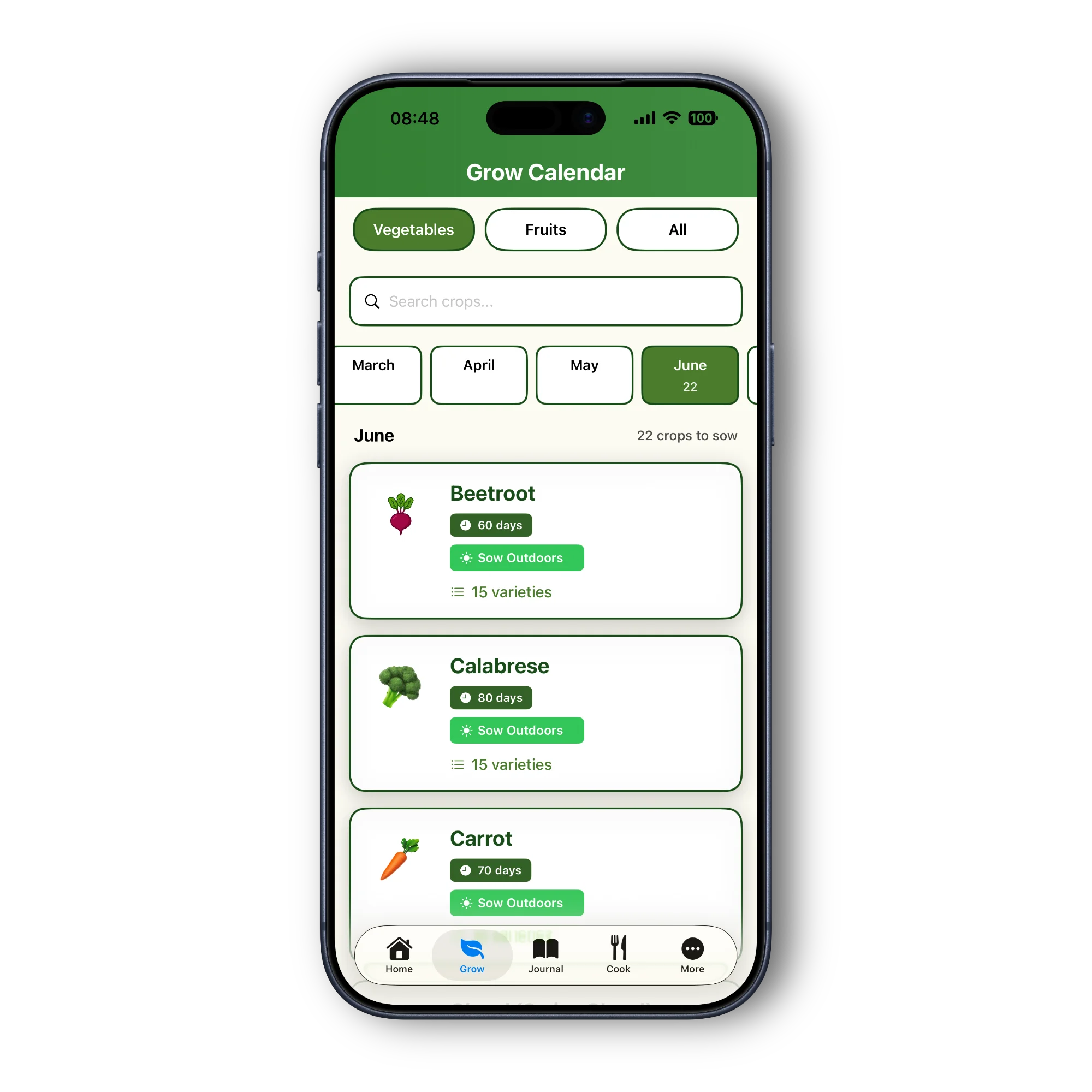
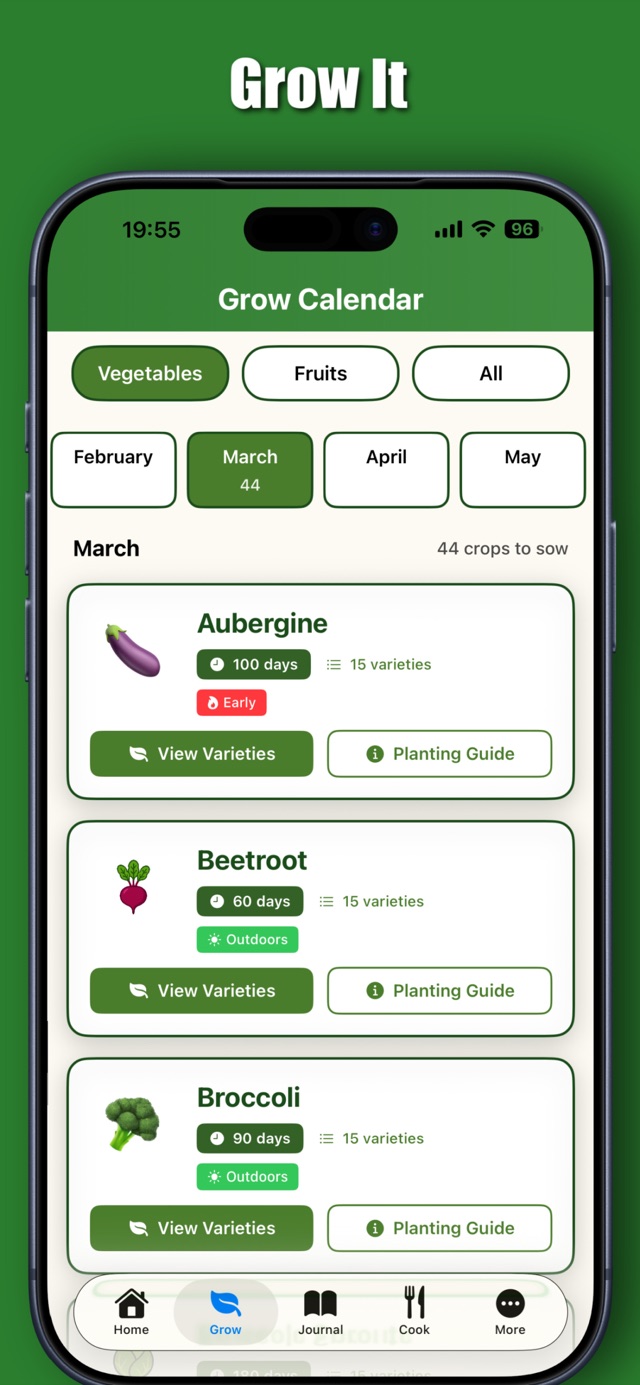
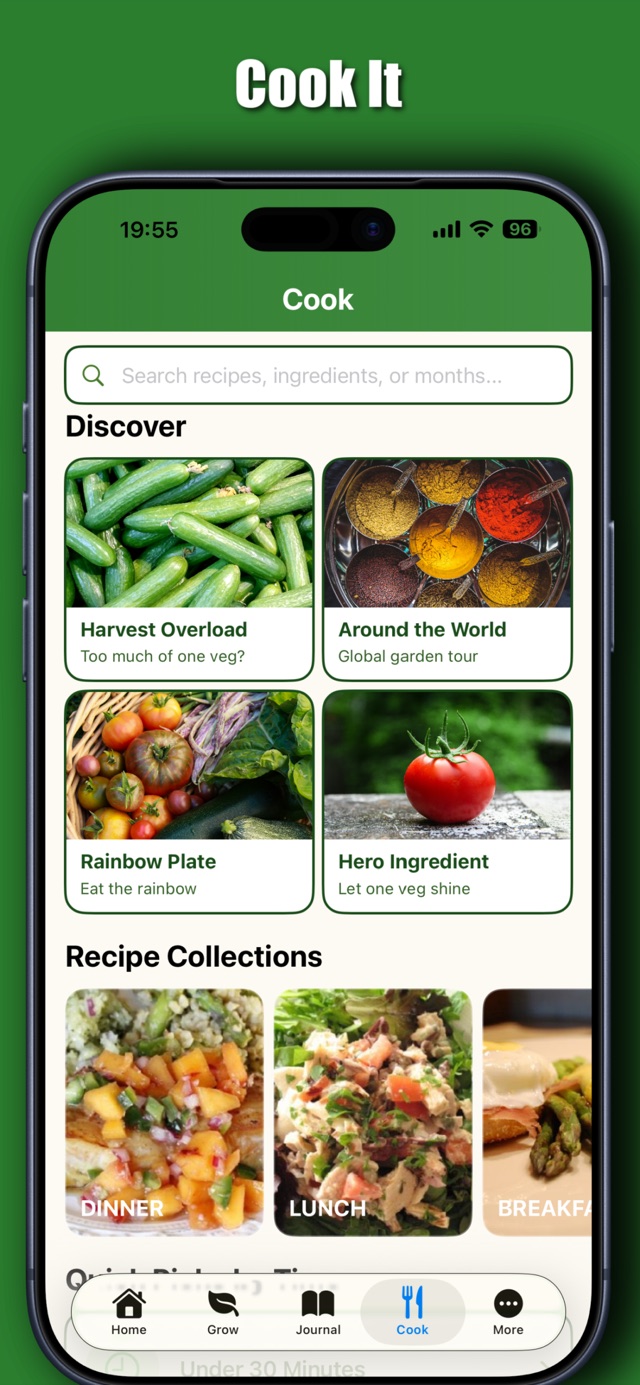
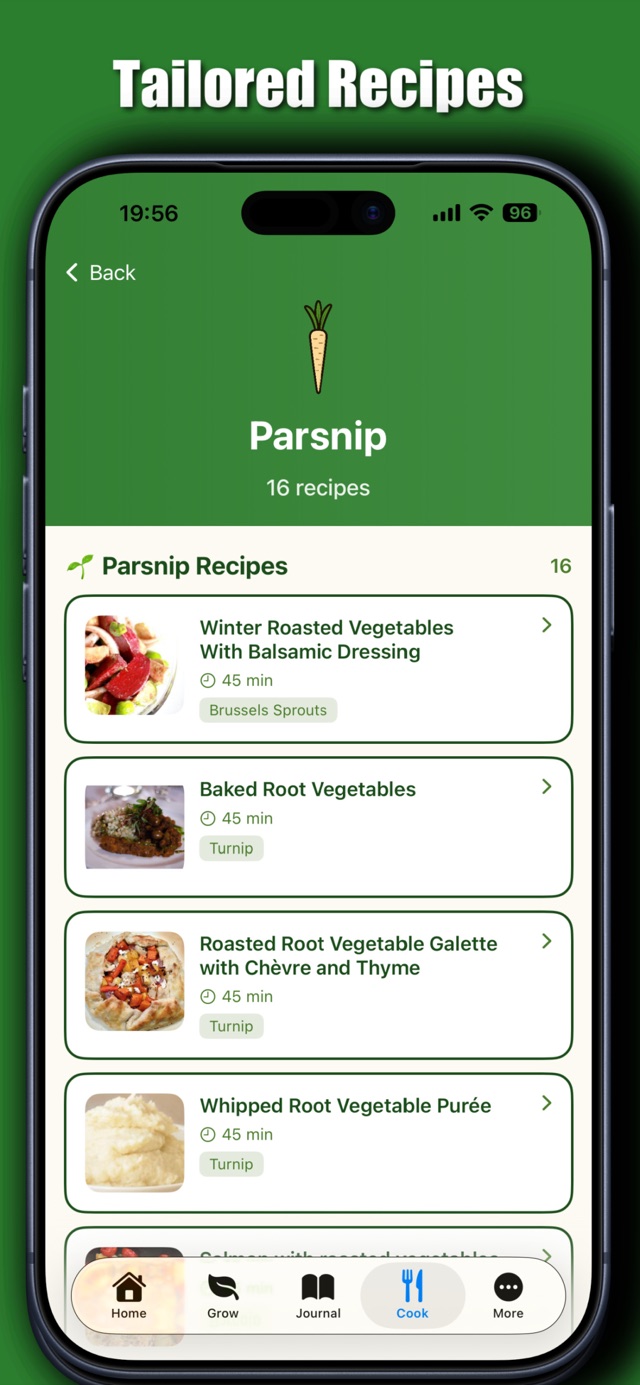
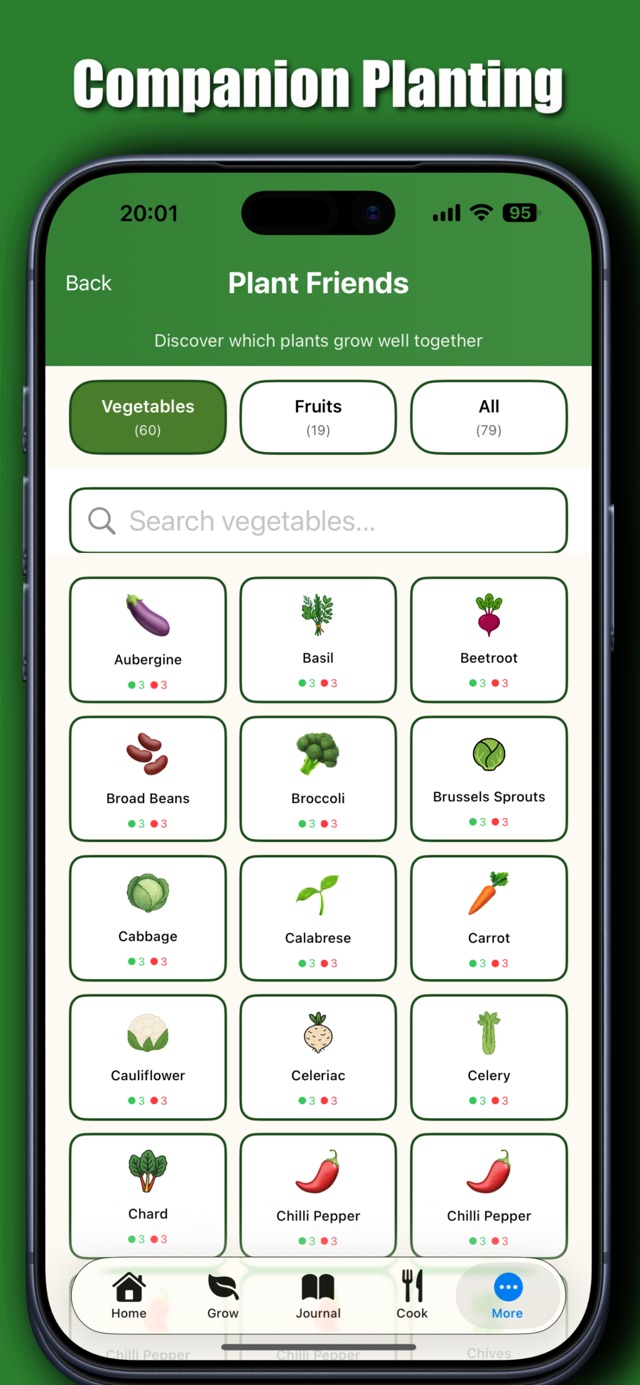
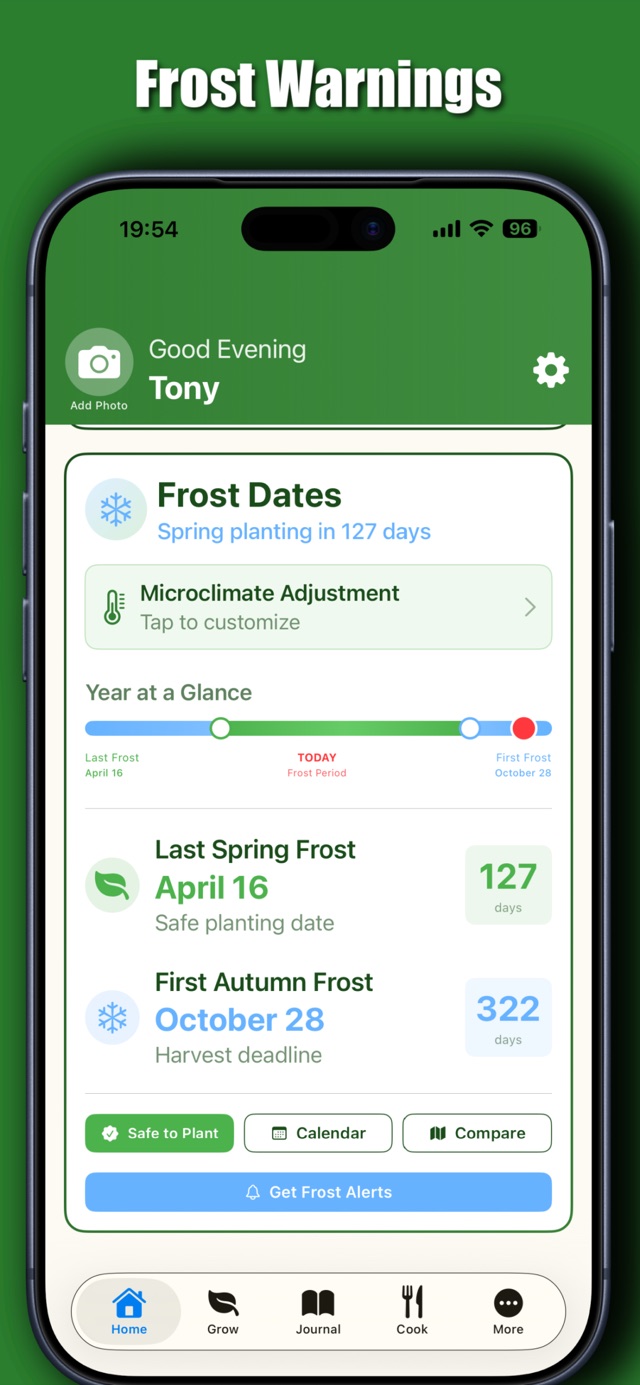
Timing is everything when planting out summer crops, and getting it wrong can cost you the whole season. The GrowMore CookMore app takes the stress out of it with personalised frost date alerts for your exact location โ€” no more guessing or gambling with the weather. It covers all 84 vegetables with specific planting-out windows tailored to your area, and the companion planting feature tells you which crops do well together so you can plan your beds perfectly. Plus when all those courgettes come rolling in (and they will, believe me), you’ve got over 200 recipes to help you actually use them all up instead of leaving them on Ronny’s doorstep. Download from the App Store and make this your best planting season yet.

Look after yourselves. Take good care. ๐ŸŒฑ

Comments

Leave a Reply

Your email address will not be published. Required fields are marked *