ยท

Creating a Pollinator-Friendly Garden: Bees, Butterflies and Beyond

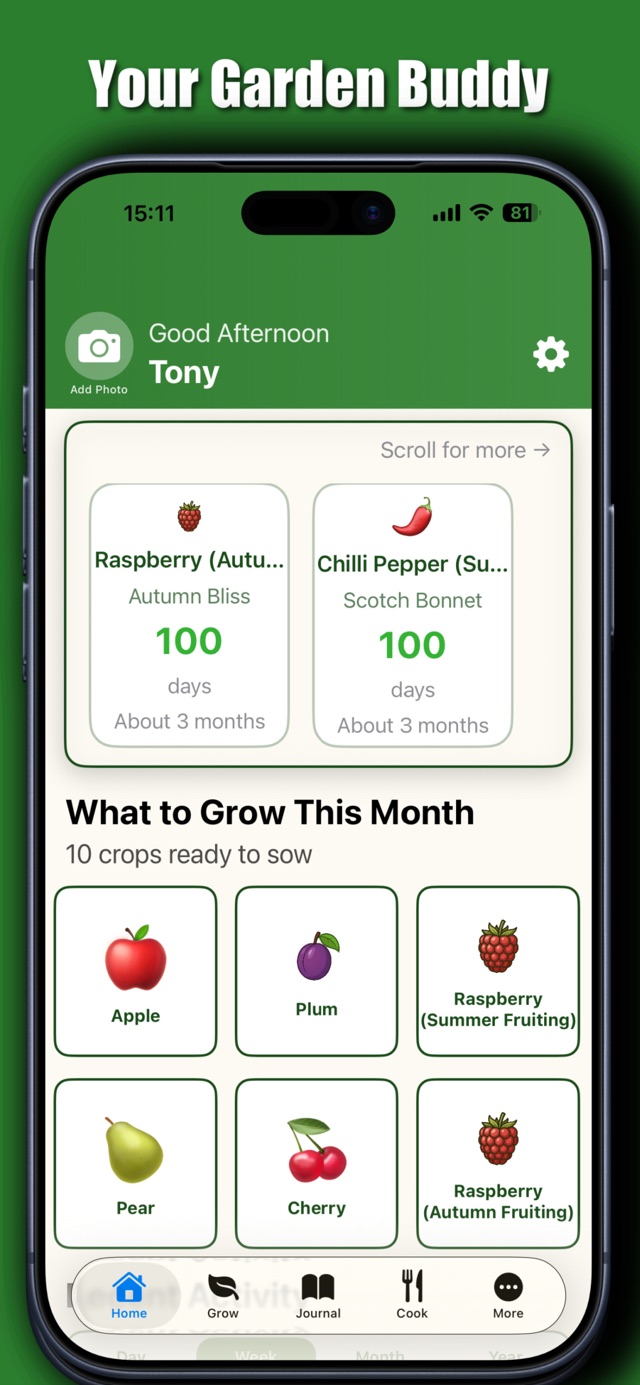
๐ŸŒฑ GrowMore CookMore App Know what to sow, when to harvest, and discover recipes for your garden produce. Right, pollinators. Bees, butterflies, hoverflies, and all the little buzzy things that…

Flower garden attracting pollinators

๐ŸŒฑ GrowMore CookMore App

Know what to sow, when to harvest, and discover recipes for your garden produce.

Download on the App Store

Right, pollinators. Bees, butterflies, hoverflies, and all the little buzzy things that make your garden actually work. Now I know this might not sound like the most exciting topic โ€” you’re probably thinking “Tony, I want to grow food, not run a butterfly sanctuary” โ€” but here’s the thing. Without pollinators, you won’t GET food. No bees means no beans, no courgettes, no tomatoes, no squash, no pumpkins, no strawberries, no apples. Basically no anything with a flower. Which is most things. So pollinators aren’t just nice to have โ€” they’re absolutely essential.

I used to take them for granted, if I’m being honest. Just assumed there’d always be enough bees about to do the job. Then about four years ago I had a year where my runner beans barely set any pods. Beautiful flowers, loads of them, but nothing was setting. I was baffled. Ronny took one look and said “Where are your bees, man?” And he was right โ€” I looked around and there were hardly any. The allotment was basically just rows and rows of veg with nothing for pollinators to eat. We’d created a food desert for insects while trying to grow food for ourselves. Bit ironic, that.

So I started making changes. Added flowers, left some areas a bit wild, built a bug hotel (well, I nailed some pallets together and stuffed them with bamboo โ€” it’s not going to win any design awards). And the difference has been massive. My bean yields went up, my courgettes are setting better, and the allotment just feels more alive. More buzzing, more colour, more everything. It’s brilliant.

๐ŸŒฑ Quick Tip: You don’t need a massive wildflower meadow to help pollinators. Even a few pots of lavender by your shed door or a row of marigolds along your beds makes a difference. Start small and build up. Every flower counts.

Why Pollinators Are in Trouble

I’m not going to get all doom and gloom on you, but it’s worth understanding why this matters. Bee populations have declined massively over the last few decades. Habitat loss, pesticides, disease, climate change โ€” it’s a long list of things working against them. Wild bee species are particularly affected because they don’t have beekeepers looking after them. They’re just out there trying to survive and we keep taking away the flowers they need.

As gardeners, we’re actually in a brilliant position to help. Our gardens and allotments are like stepping stones of habitat across the landscape. If every garden had a few pollinator-friendly plants, it would create a massive network of feeding stations for bees and butterflies. We can genuinely make a difference. And we get better harvests in return. Everybody wins.

The Best Flowers for Pollinators

Not all flowers are created equal when it comes to pollinators. Those fancy double-flowered varieties that look gorgeous? Often useless for bees because the extra petals block access to the nectar and pollen. What you want is simple, open flowers where the bees can easily get to the good stuff.

Here’s my top list of dead easy, proven pollinator magnets that I grow on the allotment:

Lavender โ€” absolute bee magnet. Plant it once and it’ll flower every summer for years. Bees go absolutely mental for it. I’ve got a row along the front of one of my beds and on a warm day it’s like Heathrow Airport for bumblebees.

Calendula (pot marigolds) โ€” brilliant because they self-seed everywhere so you get them for free after the first year. Hoverflies love them, and hoverfly larvae eat aphids, so they’re pulling double duty. I sow a row along the edge of every veg bed. Dead easy.

Borage โ€” the bees’ all-time favourite. Blue flowers that they literally can’t resist. Plus the flowers are edible and look great in a glass of Pimm’s. Very important, that last bit. Borage self-seeds aggressively so be prepared for it to pop up everywhere. I don’t mind โ€” I’d rather have too much borage than not enough.

Herb flowers blooming in garden

Nasturtiums โ€” multi-tasking legends. Attract pollinators, act as trap crops for caterpillars and aphids, and the flowers and leaves are edible. Peppery. Nice in a salad. They grow like weeds too โ€” scatter the big seeds anywhere and they’ll crack on.

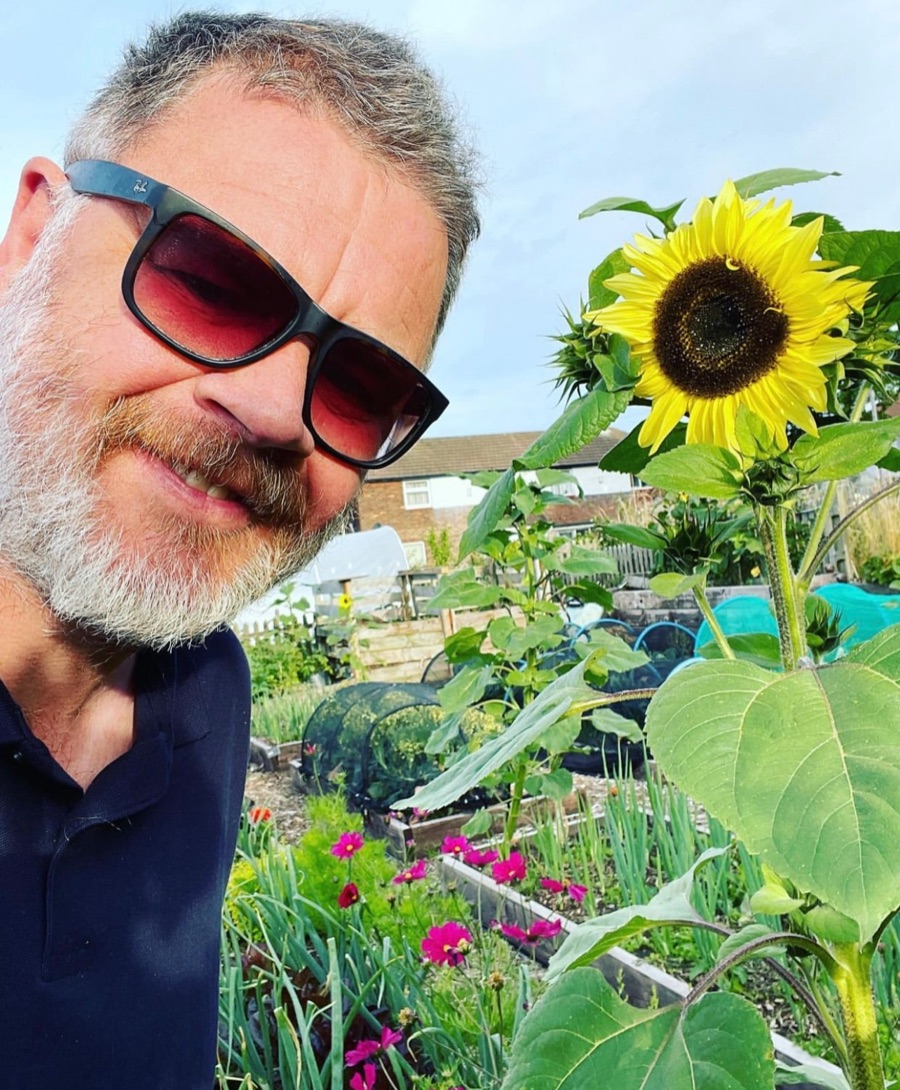
Sunflowers โ€” not just pretty. They’re loaded with pollen and nectar and bees love them. Plus they’re fun to grow and kids love them. I grow a row along the back fence of the allotment every year. Makes the whole place look cheerful.

Phacelia โ€” you might not know this one but it’s incredible for bees. It’s a green manure that you can sow on empty beds, and the purple flowers are like bee crack. I sow it on any bed that’s going to be empty for a few weeks. Feeds the bees, feeds the soil when you dig it in. Brilliant plant.

Flowers and Food Together

Here’s the thing โ€” you don’t need to sacrifice veg bed space for flowers. The best approach is to integrate them. Grow flowers alongside your veg. This isn’t just hippie nonsense, it’s proper science โ€” it’s called companion planting and it works on multiple levels.

Marigolds with tomatoes โ€” the scent confuses whitefly. Nasturtiums with brassicas โ€” trap crop for caterpillars. Borage with strawberries โ€” improves pollination and supposedly improves flavour (I’m not sure about the flavour bit but the pollination definitely works). Calendula with everything โ€” attracts hoverflies that eat aphids.

I dedicate the edges of my beds to flowers and keep the main area for veg. It works beautifully. The beds look gorgeous and the pollinators are always there when the beans and courgettes start flowering. Audrey does the same but she’s much more artistic about it โ€” her allotment looks like something from a magazine. Mine looks more like… well, like someone scattered flowers and vegetables randomly and hoped for the best. Which is pretty much what I did.

๐Ÿ”ฐ Beginner’s Trick: Let some of your herbs flower. We usually pinch out herb flowers to keep the leaves coming, but if you let a few basil, thyme, oregano, or mint plants flower, the pollinators absolutely love them. Especially thyme โ€” bumblebees go mad for thyme flowers. Just let a couple of plants flower and keep the rest for your kitchen.

Creating Habitats

Flowers are food, but pollinators need shelter too. Most wild bees are solitary bees โ€” they don’t live in hives, they nest in small holes in the ground, in walls, or in hollow stems. You can help by providing nesting sites.

A bug hotel is the classic option. You don’t need to buy a fancy one from the garden centre (though they do look nice). Just bundle up some bamboo canes or hollow stems, pack them into a container โ€” an old tin, a brick with holes in it, even a section of plastic pipe โ€” and fix it to a sunny wall or fence about a metre off the ground. The bees will find it and lay their eggs in the tubes.

Leave some areas of bare soil too. Many solitary bees nest in the ground and they need patches of open, sandy or compacted soil to dig into. I’ve got a sunny corner of the allotment where I deliberately don’t mulch or plant, and the mining bees have moved in. Little holes everywhere with bees buzzing in and out. Dead fascinating to watch.

Wildflowers growing in garden

A log pile in a shady corner provides habitat for all sorts โ€” beetles, centipedes, hedgehogs, slow worms. Just stack some old logs and branches in a pile and leave them to rot. Nature does the rest. Mine has been there about three years and it’s absolutely teeming with life. Daisy likes to stick her nose in it which worries me slightly, but so far she’s only found woodlice, which she finds very confusing.

What to Avoid

The obvious one โ€” don’t use pesticides. This includes insecticides, obviously, but also be careful with fungicides as some can harm pollinators too. If you need to treat a problem, use targeted organic methods and apply them in the evening when pollinators are less active.

Don’t be too tidy. I know the temptation is to keep everything immaculate, but a too-tidy garden is a dead garden for wildlife. Leave some leaf litter, let some areas grow a bit wild, leave old stems standing over winter โ€” they might have insect eggs or hibernating larvae in them. My allotment is… let’s say “relaxed” in its tidiness. Some might say messy. I say it’s biodiverse. Sounds much better.

And don’t buy non-native plants that produce no nectar or pollen just because they look pretty. Bedding plants like petunias and busy lizzies look lovely but they’re basically useless for pollinators. Go for native or cottage garden flowers instead. They’re often easier to grow anyway.

Year-Round Flowers

Pollinators need food from early spring right through to late autumn. If everything in your garden flowers in July, the bees have nothing in March or October. Think about spreading the flowering season out. Early crocuses and snowdrops for spring bees. Summer flowers for the main season. Late-flowering plants like sedums, ivy (yes, ivy flowers are brilliant for autumn pollinators), and Michaelmas daisies for the late crowd.

On the allotment, I’ve got hellebores near the shed that flower in February, then the fruit trees blossom in April, then the summer flowers kick in, and the sedum and late nasturtiums keep going until the first frosts. It’s not perfect โ€” there are gaps โ€” but I’m working on it. Every year I add something new. This year it’s some autumn-flowering crocus. Next year, who knows. Maybe a patch of clover. Bees love clover.

๐Ÿ“ฑ Plan Your Pollinator Garden with GrowMore CookMore

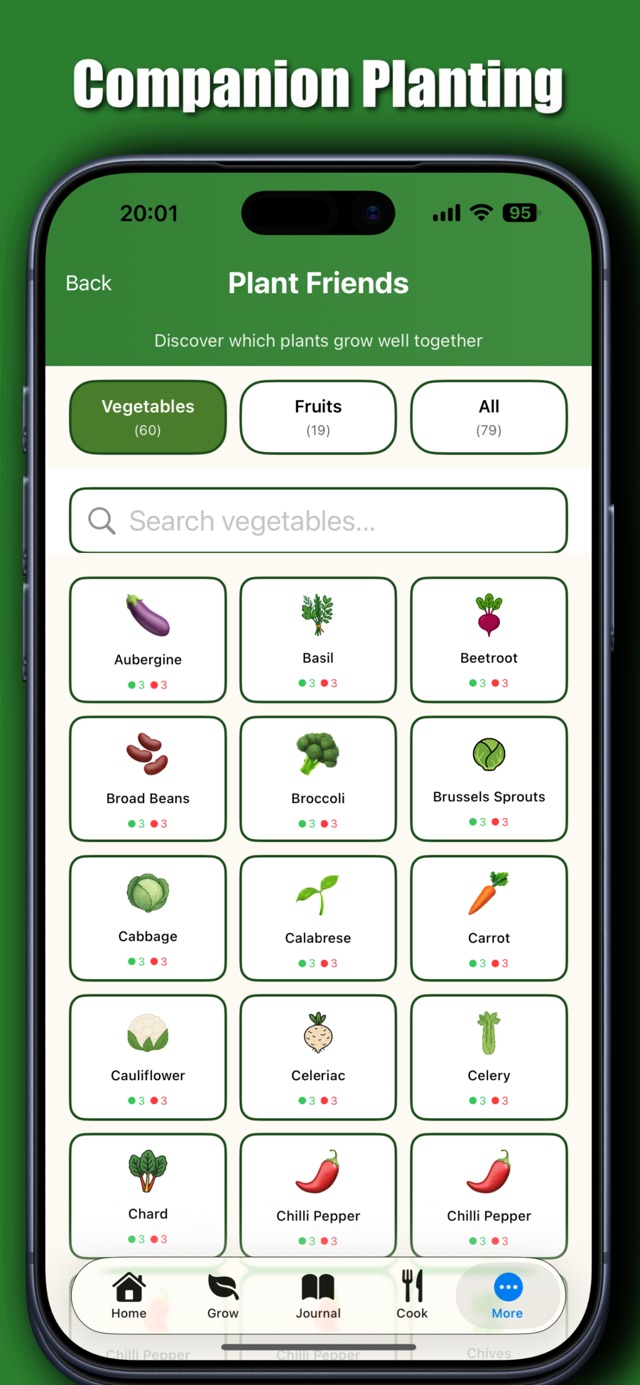
Getting your garden buzzing with pollinators is all about choosing the right companions for your veg. The GrowMore CookMore app has detailed companion planting advice for all 84 vegetables, including which flowers to grow alongside them to attract pollinators and deter pests. It’s like a matchmaking service for plants. And when your better-pollinated beans, courgettes, and squash come flooding in (and they will, because the bees are now doing their job properly), you’ve got over 200 recipes to turn that bumper harvest into something delicious. The Garden Journal is perfect for tracking which flowers worked best so you can refine your pollinator planting year on year. Grab it on the App Store and build the garden the bees deserve.

Look after yourselves. Take good care. ๐ŸŒฑ

Comments

Leave a Reply

Your email address will not be published. Required fields are marked *