ยท

Harvesting Early Crops: Enjoying the First Fruits of Your Labour

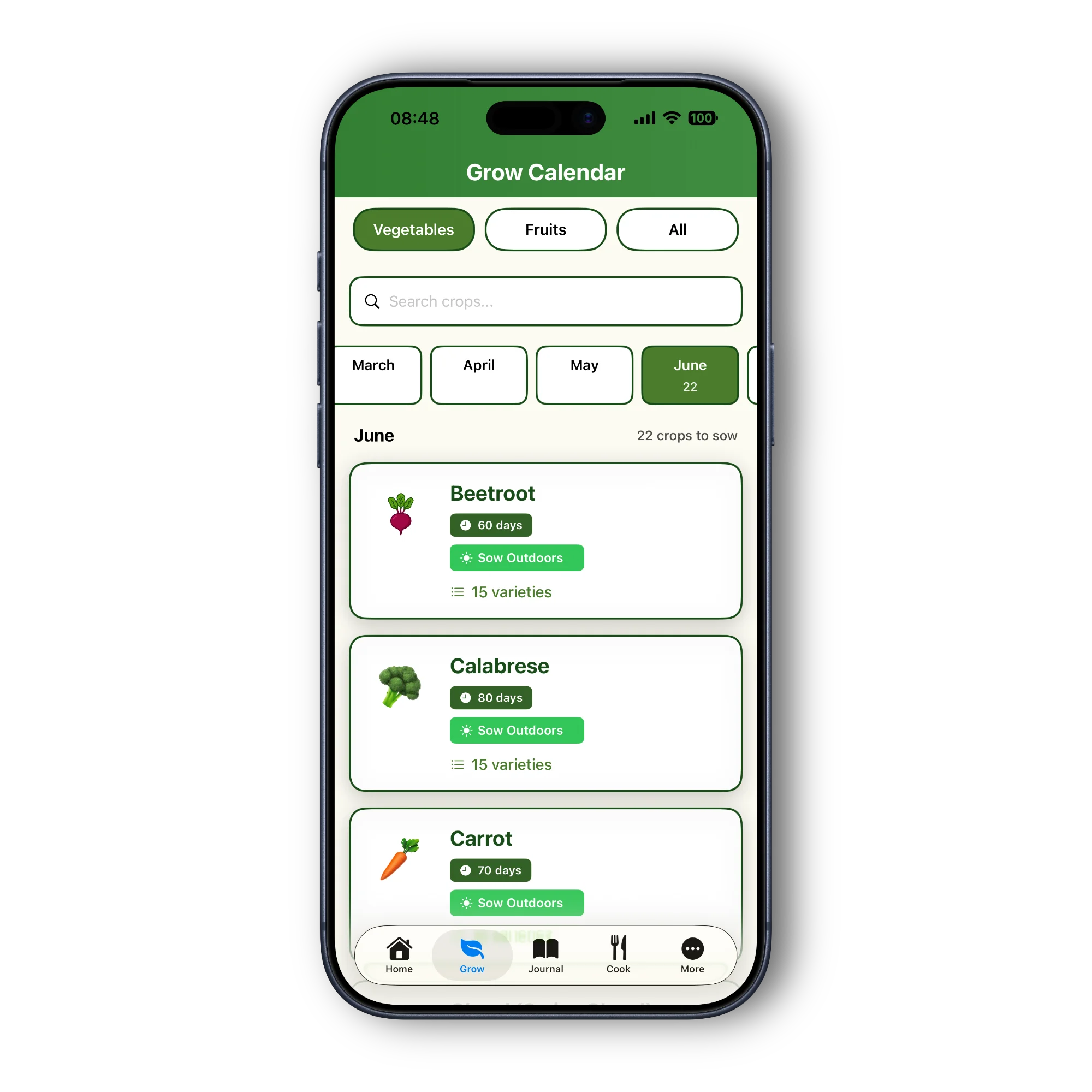
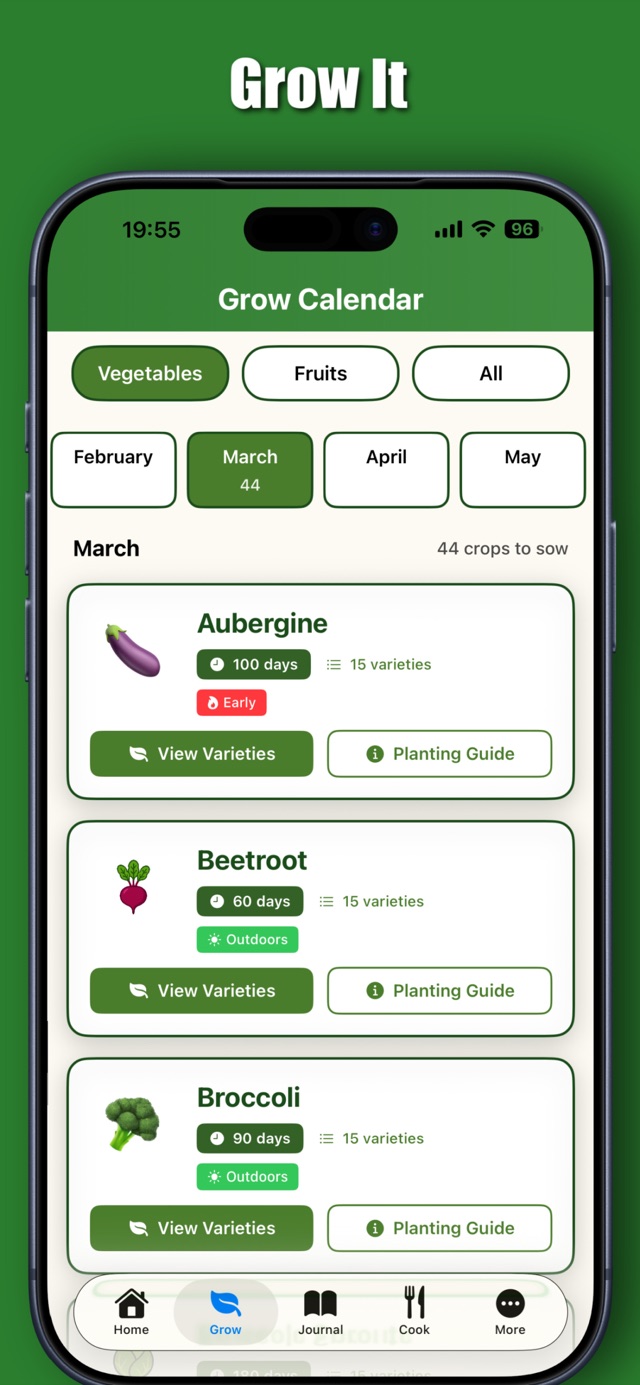
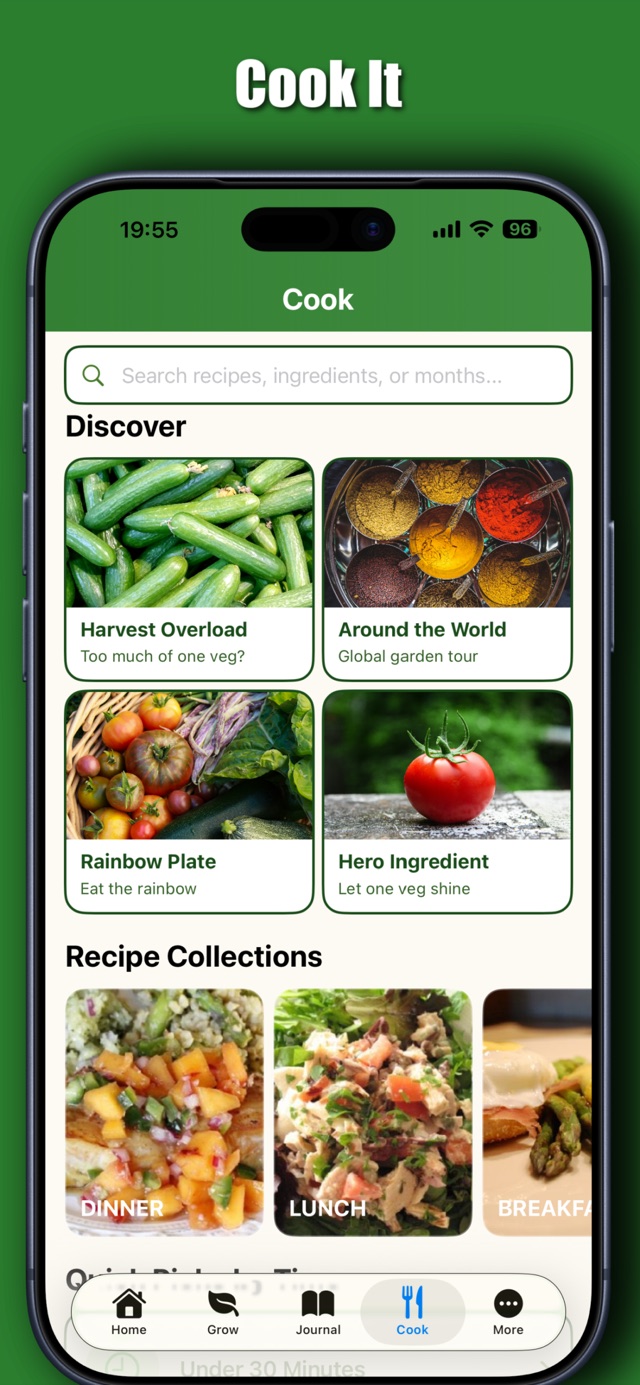
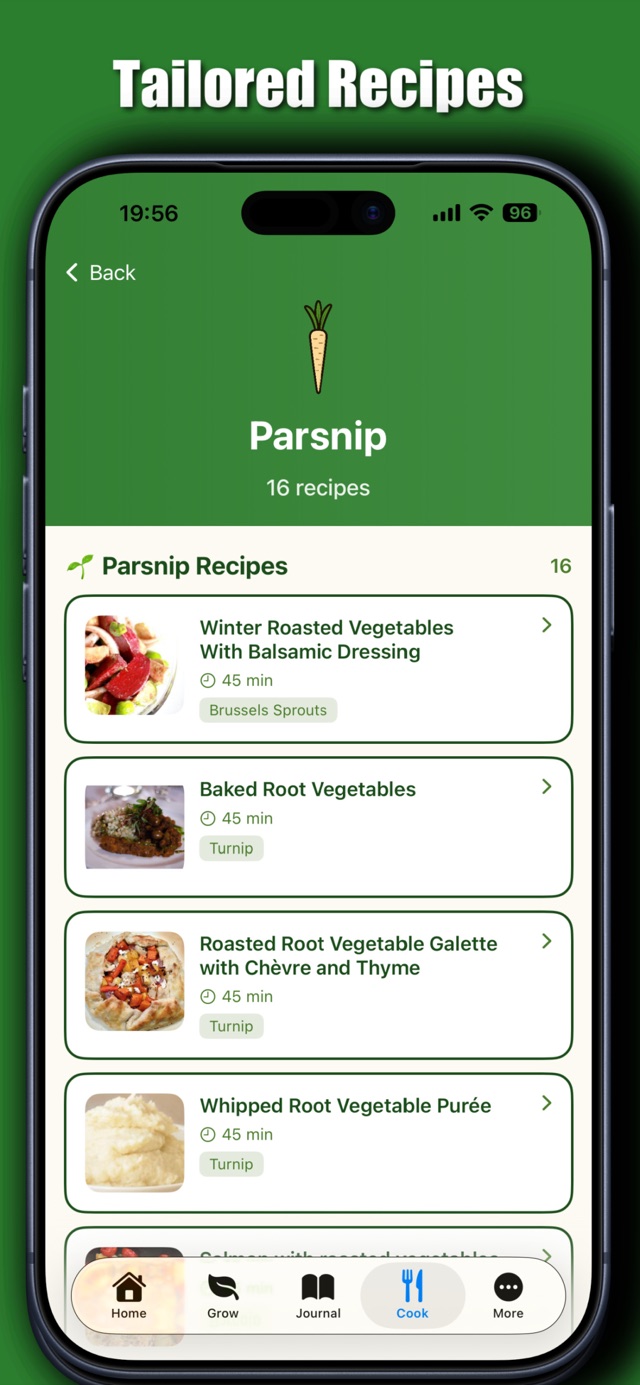
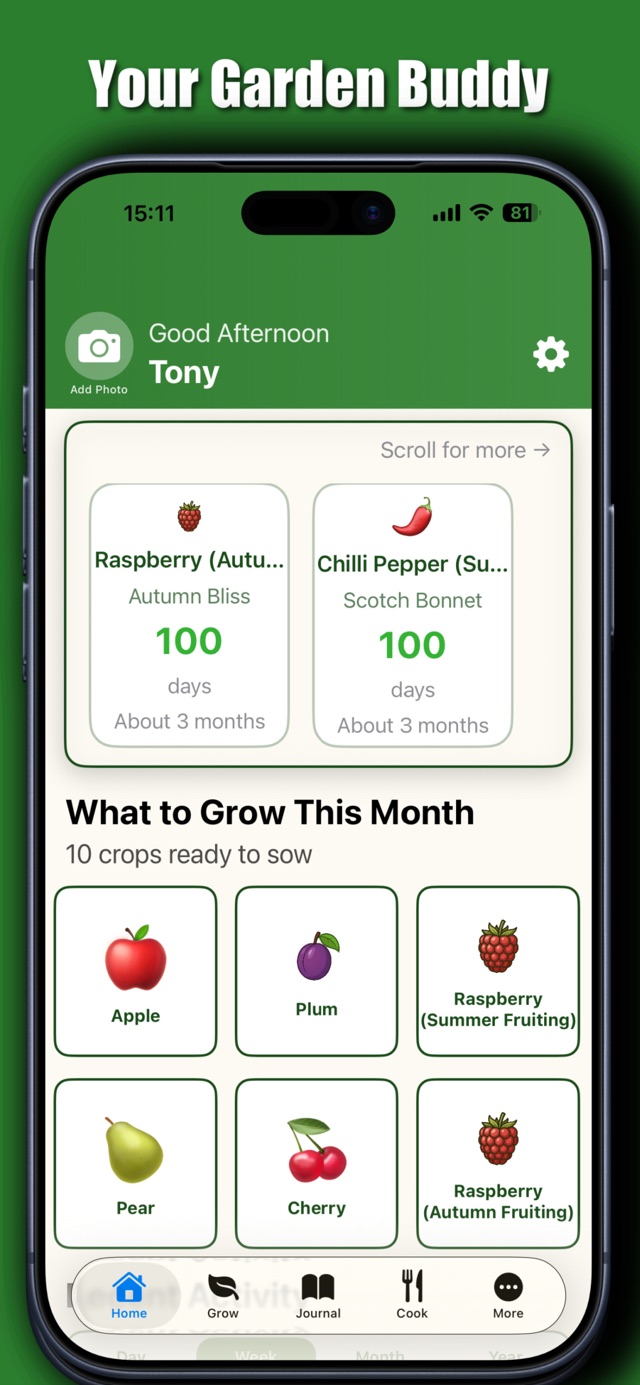
๐ŸŒฑ GrowMore CookMore App Know what to sow, when to harvest, and discover recipes for your garden produce. This is the moment, people. This is what it’s all been about.…

Freshly harvested vegetables in basket

๐ŸŒฑ GrowMore CookMore App

Know what to sow, when to harvest, and discover recipes for your garden produce.

Download on the App Store

This is the moment, people. This is what it’s all been about. All those months of digging, sowing, watering, worrying, swearing at slugs โ€” it all comes down to this. Your first harvest of the season. And honestly? There is no feeling in gardening that beats pulling up your first new potatoes, or picking your first handful of peas, or cutting that first lettuce that you grew from a tiny seed. It’s pure, unfiltered joy. I get a bit emotional about it every year, to be honest. Don’t tell JB.

Early crops are the reward for getting things in at the right time and looking after them through the dodgy spring weather. We’re talking about things like new potatoes, broad beans, peas, early lettuce, radishes, spring onions, early cabbages, maybe some spinach if you were on the ball. The stuff that went in early and is now ready to eat. And the quality โ€” honestly, if you’ve never eaten a pea straight from the pod, still warm from the sun, you haven’t lived. Supermarket peas taste like cardboard in comparison. I’m not exaggerating. Well, maybe a bit. But not much.

๐ŸŒฑ Quick Tip: Harvest in the morning when it’s cool. Vegetables harvested in the heat of the afternoon go limp much faster. Morning-picked veg stays fresher and crisper. Plus it’s a lovely way to start the day โ€” up the allotment with a cup of tea, picking dinner before the rest of the world’s even awake.

New Potatoes โ€” The Stars of Early Summer

Is there anything better than digging up your first new potatoes? I don’t think there is. It’s like buried treasure. You push your fork in, lift the soil, and there they are โ€” little golden nuggets sitting in the earth. Every year I get properly excited. Daisy gets excited too because she thinks we’re playing a digging game. She’s not helpful but she’s enthusiastic.

New potatoes are ready when the plants start flowering. That’s the traditional sign. You can also just have a sneaky dig around the base of one plant โ€” carefully, with your hands โ€” and see if there are spuds of a decent size forming. If they’re about the size of an egg or bigger, you’re good to go. Some varieties mature faster than others โ€” first earlies like Rocket and Swift can be ready in as little as 10 weeks from planting.

The best way to harvest is to push your fork in at an angle a good foot away from the stem, then lever the whole lot up. Going too close risks spiking the potatoes, which is incredibly annoying. I’ve speared many a perfect spud with an over-enthusiastic fork. The fork goes in, there’s a crunch, and you just know you’ve ruined one. Mind you, speared potatoes still taste fine โ€” they just don’t look as pretty. Cook them first, that’s my advice.

New potatoes, boiled for about 15 minutes, with a massive knob of butter and some fresh mint from the garden. That right there is the best meal you’ll eat all summer. I don’t care what any restaurant charges you โ€” nothing beats it. Ronny brings his up boiled with some parsley butter and shares them round the allotment. We all sit there like we’re at the world’s best dinner party. On plastic chairs. With muddy hands. It’s perfect.

Broad Beans โ€” Don’t Wait Too Long

Broad beans are one of those crops where timing the harvest really matters. Pick them too young and there’s nothing to them. Leave them too long and they go tough and floury. The sweet spot is when the pods are nice and plump but the beans inside are still bright green and tender. You can feel them through the pod โ€” they should be about the size of your thumbnail.

Garden produce freshly harvested

Pick from the bottom of the plant upwards โ€” the lowest pods mature first. And keep picking regularly. Like most beans, the more you pick, the more the plant produces. If you leave old pods on the plant, it thinks its job is done and stops making new ones. So get picking and don’t be shy about it.

Young broad beans are amazing just blanched and tossed with olive oil, lemon juice, and some crumbled feta. Or mashed on toast with a bit of garlic. If you’ve let some go a bit big and tough, pop them out of their skins after cooking โ€” the inner bean is still tender and sweet. A bit of a faff but worth it. Audrey makes this incredible broad bean and pecorino thing that she refuses to give us the recipe for. She says it’s a family secret. I think she just doesn’t want us making it because then she can’t show off with it at the allotment BBQ.

Peas โ€” Eat Half, Pick Half

I love peas. I love them so much that I eat about half the harvest before it even makes it home. I’m not proud of it but I’m honest about it. Fresh peas, straight from the pod, standing in the allotment โ€” that’s my happy place. JB’s the same. We’ll be harvesting our respective pea rows and it’s just “pop, munch, pop, munch” from both sides of the path. Nobody says anything. It’s an understood arrangement.

Harvest peas when the pods are nicely filled but the peas inside are still sweet and tender. If the pods start looking pale and papery, you’ve left them too long โ€” the sugars convert to starch and they go mealy. Mangetout and sugar snap types should be picked when the pods are still flat (mangetout) or just starting to fatten (sugar snaps).

Pick every two or three days once they start producing. Seriously, every two or three days. They come fast once they start and if you miss a picking they go over very quickly. I set a reminder on my phone. “Pick peas” every Monday, Wednesday, and Friday. It’s the only way I remember.

Lettuce and Salad Leaves

Cut-and-come-again lettuce is the gift that keeps on giving. If you sowed a mix of salad leaves in early spring, you should be getting lovely baby leaves by now. Cut them with scissors about an inch above the base, and they’ll regrow for another cut. You can usually get three or four cuts from each sowing before they start to bolt and go bitter.

Heading lettuce โ€” butterhead, cos, iceberg โ€” is ready when, well, it’s formed a head. Give it a gentle squeeze. If it feels firm and full, cut it off at the base. If it’s still soft and loose, give it another week. Don’t leave it too long though, especially in warm weather, or it’ll bolt (send up a flower stalk) and the leaves will go bitter. Bolted lettuce is basically garden compost, not salad.

๐Ÿ”ฐ Beginner’s Trick: Succession sowing is the key to salad all summer. Sow a short row every two to three weeks from March through to August. That way you always have leaves at the right stage instead of thirty lettuces ready at once and nothing for the next six weeks. I’ve made that mistake enough times. Believe me.

Radishes and Spring Onions

Radishes are the quickest crop in the garden. Some varieties go from seed to plate in about four weeks. Four weeks! That’s barely enough time to forget you planted them (though I have managed it). Pull them when they’re about the size of a marble. Left too long, they go woody and hot โ€” like, properly hot. Unpleasantly hot. The sort of hot that makes your eyes water and you question your life choices.

Spring onions are ready when they’re about pencil thickness. Pull them carefully โ€” if the soil is hard, loosen it with a fork first or you’ll just get the green tops coming off in your hand and the bulb staying in the ground laughing at you. I’ve done this. More than once. It’s more frustrating than it should be.

Fresh vegetables from the garden

What to Do After Harvesting

Once you’ve cleared a crop, don’t leave the bed empty. Either sow a follow-on crop (lettuce after early potatoes works perfectly โ€” the ground is soft and warm), plant out something that’s been waiting in pots, or at the very least sow a green manure to keep the weeds down and feed the soil. Empty beds are just an invitation for weeds to move in, and they will. They’ve been watching and waiting, trust me.

Add any plant debris to the compost heap โ€” pea haulms, bean stems, lettuce roots, the lot. It all breaks down and goes back into the soil next year. Circle of life and all that. Very Lion King. Minus the lions. Plus the slugs.

And take a moment to enjoy what you’ve harvested. Seriously. Don’t just chuck it in the kitchen and crack on. Sit down, have a proper meal with food you grew yourself, and feel smug about it. You’ve earned it. All those early mornings, all those watering sessions, all those battles with the weather โ€” this is the payoff. A plate of food that you grew. From seeds. That’s pretty bloody amazing when you think about it.

๐Ÿ“ฑ Make the Most of Your Harvest with GrowMore CookMore

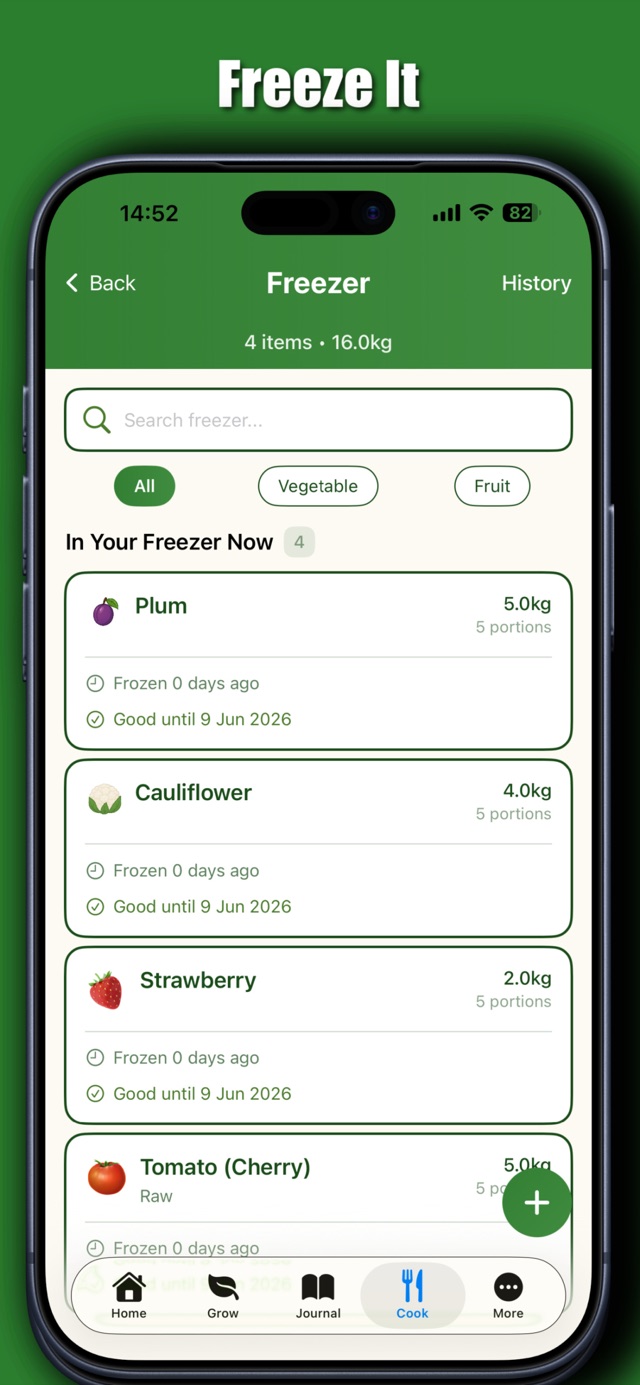
You’ve put in all the hard work growing this lot โ€” now let the GrowMore CookMore app help you make the most of it. With over 200 recipes matched to seasonal harvests, you’ll never be stuck for ideas on what to do with your broad beans, new potatoes, or that mountain of peas. The app’s Store Smart feature tells you what stores well together and what doesn’t, so your harvest stays fresh longer. And the Freezer Tracker keeps tabs on what you’ve frozen and when you need to use it by โ€” because we’ve all found that bag of mystery veg at the back of the freezer from three years ago. The Cost Tracker is brilliant too โ€” log what you’ve spent on seeds and see just how much money your harvest is saving you. Spoiler: it’s a lot. Download from the App Store and turn your harvest into proper meals.

Look after yourselves. Take good care. ๐ŸŒฑ

Comments

Leave a Reply

Your email address will not be published. Required fields are marked *