Everything you need to choose it, put it up, and grow in it all year round
Fifteen practical modules — from picking the right manufacturer and getting it standing straight, to laying out your beds, growing right through the depth of winter, and patching it back up when the wind has a go at it. Whether it’s your very first tunnel or you’re upgrading from a homemade one held together with hope, this is the proper grounding.
Get the course — £27One payment · lifetime access · 30-day no-quibble refund
Read a free sample lesson — no email needed →You've decided you want a polytunnel — but there are a hundred makes, sizes and price tags, and you've no idea which one's actually worth the money.
Maybe you've already got one up — but it cooks everything by May, drips with condensation, and you're not sure what's going wrong.
You don't know which way it should face, where to site it, or how to lay the inside out so it actually works for you.
Every sunny day it turns into an oven, and you're forever firefighting heat, damp and whatever's eating your crops this week.
The guides you've found are either trying to sell you a tunnel, or written for someone with a heated glasshouse — not a real UK plot.
You know a tunnel should let you grow more, for far longer — but right now it feels like it's beating you rather than helping you.
My first polytunnel was one I cobbled together myself. Scaffold poles, a bit of timber, a roll of polythene and a lot of optimism. It looked the part for about a fortnight. Then the cover started flapping, the wind got under it, and one proper gale later it was wrapped round my fruit bushes like a crisp packet. I'd skimped on the bits that mattered, and I paid for it.
So I saved up and bought a proper one — a manufactured frame, a decent cover, put up the right way. And the difference was night and day. Suddenly I understood what a tunnel is actually for, and how much it changes what you can grow and for how long.
I make YouTube videos about my plot now, and barely a week goes by without someone asking which tunnel to buy, which way to face it, or why theirs is cooking everything by June. So I put it all together properly. Everything I wish someone had told me before I wasted money on that first homemade effort. Plain language, for real people with real plots — not a glossy book written for somebody with a heated Victorian glasshouse.
This is that course.
“Everything I wish someone had told me before I wasted money on that first homemade effort.”
Click any module to see what's covered. Work through them in order, or jump to what you need right now.
Choose the right tunnel for your plot and your budget — and know exactly why it's the right one
Get it sited, faced and put up properly, so it stands firm and works with the weather
Lay out the inside — beds, paths and water — so every square foot earns its keep
Keep it from cooking in summer with the right ventilation, shade and airflow
Stay on top of red spider mite, whitefly and the damp-loving pests that thrive under cover
Grow right through winter and pull fresh greens in the depth of January
Get years of life out of your tunnel — cleaning, maintaining and patching it up as you go
Have a reference guide you'll come back to season after season, year after year
This is the actual opening of the free sample lesson — no polish, no trailer. The whole lesson is free to read.
The honest truth about what a polytunnel can do for your growing — and what it can't. Everything you need to know before you spend a penny.
Right. So you've been thinking about getting a polytunnel. Maybe you've walked past one on someone else's allotment and seen them pulling out armfuls of tomatoes in September while yours outside have gone to mush with blight. Maybe you've seen them on YouTube or in a magazine and thought — could I actually do that?
Or maybe you've already got one sitting in a box in the shed and you're wondering what on earth you've let yourself in for.
No email needed. If it's not your sort of thing, you'll know in five minutes.
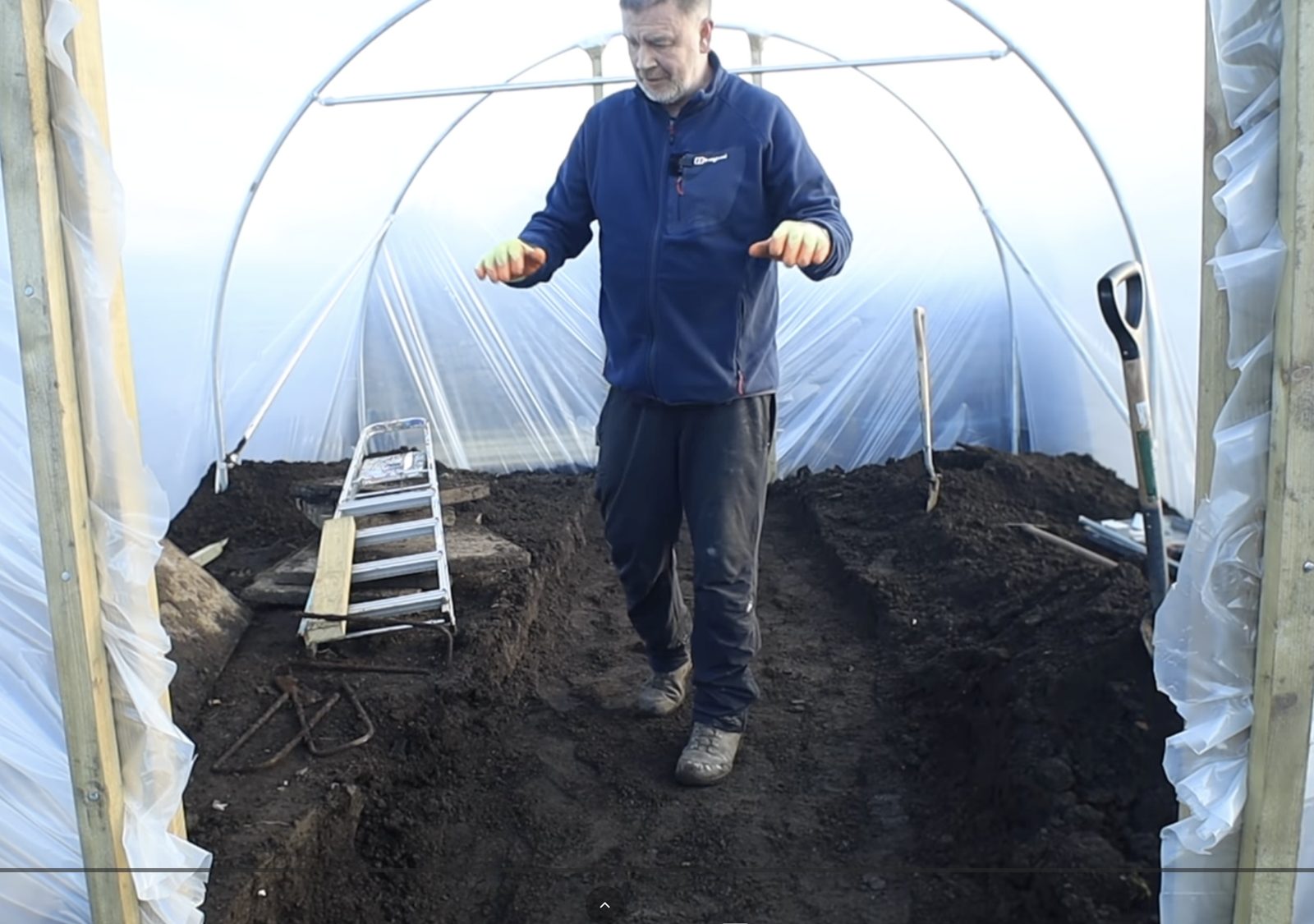
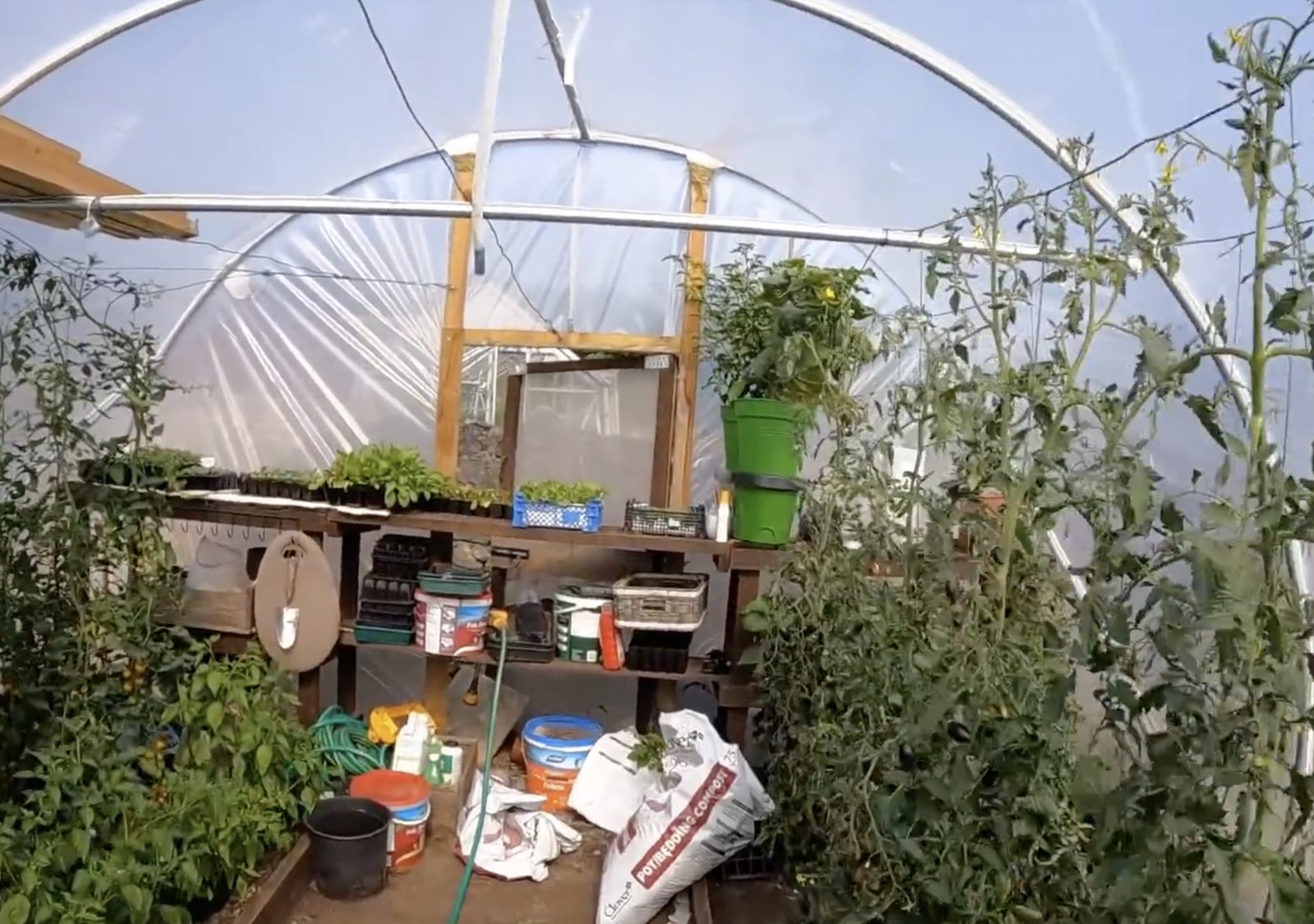
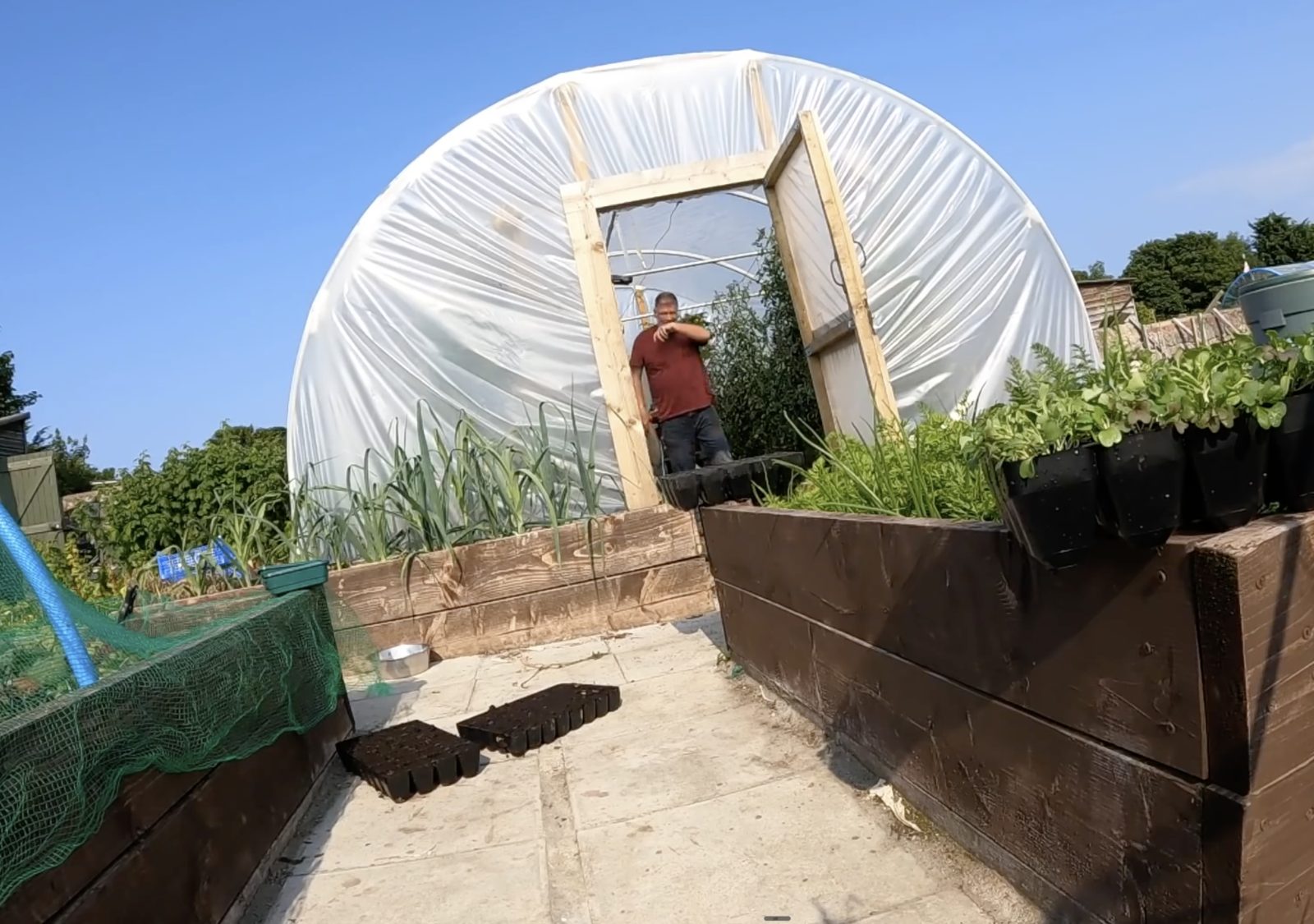
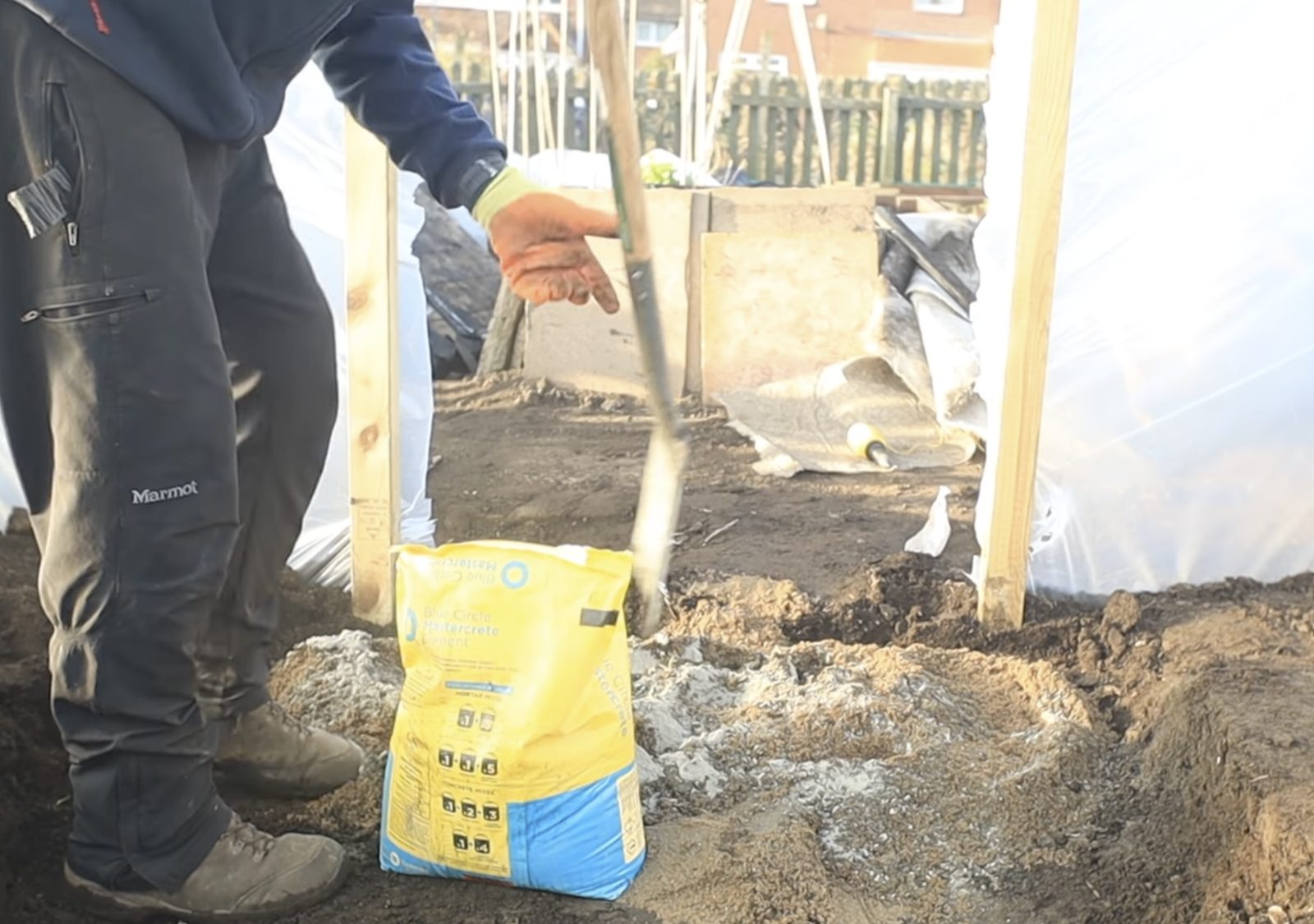
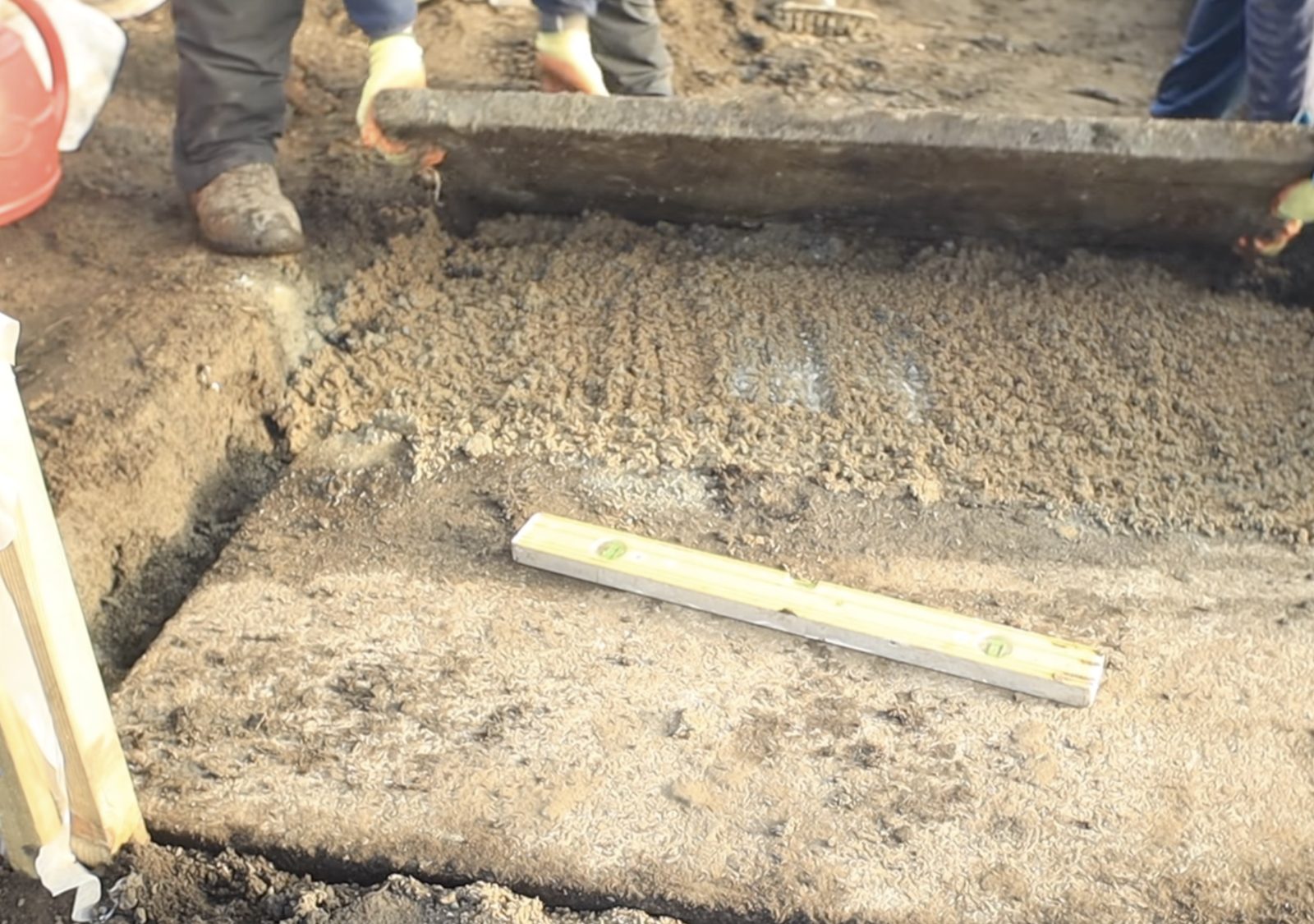
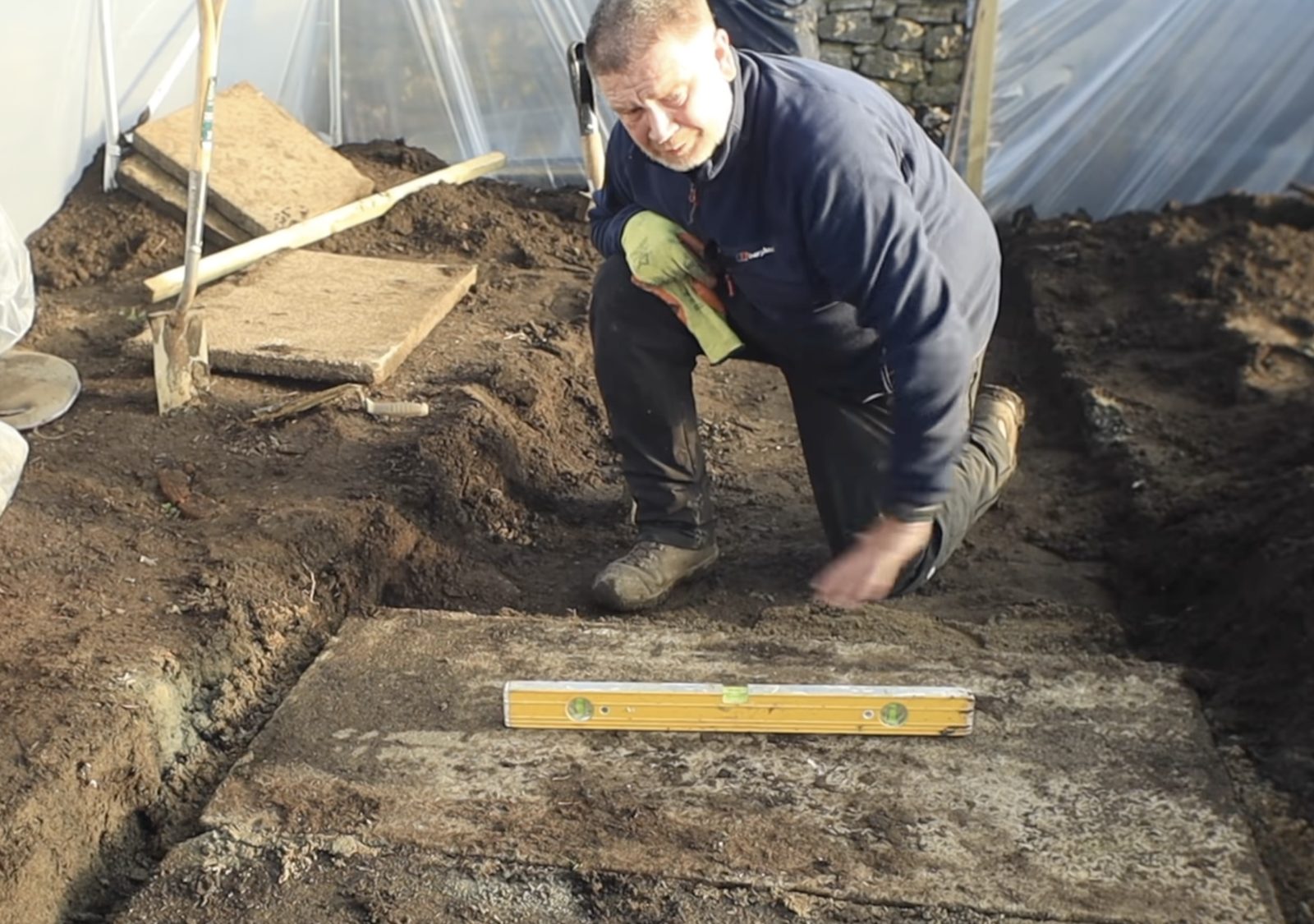
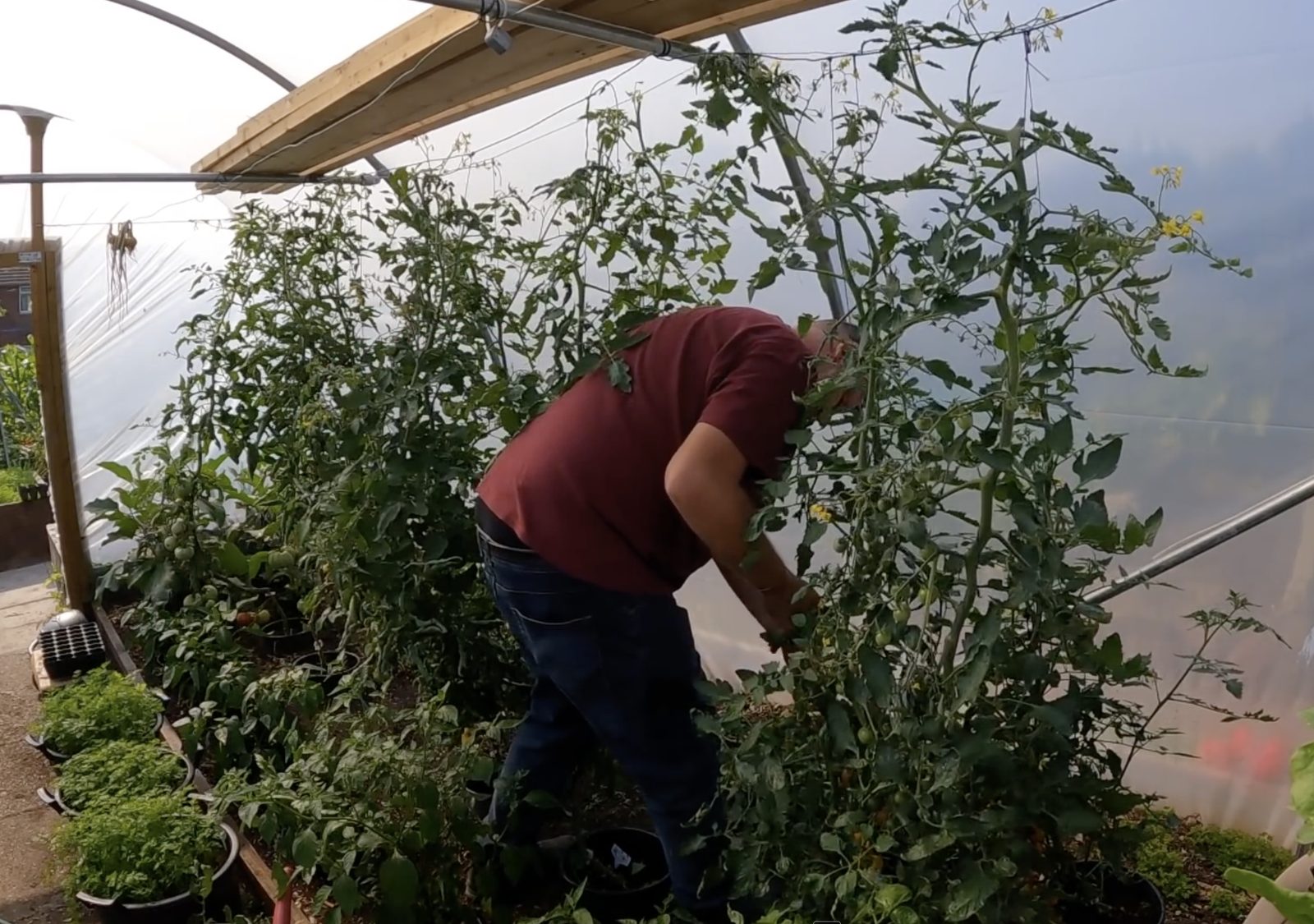
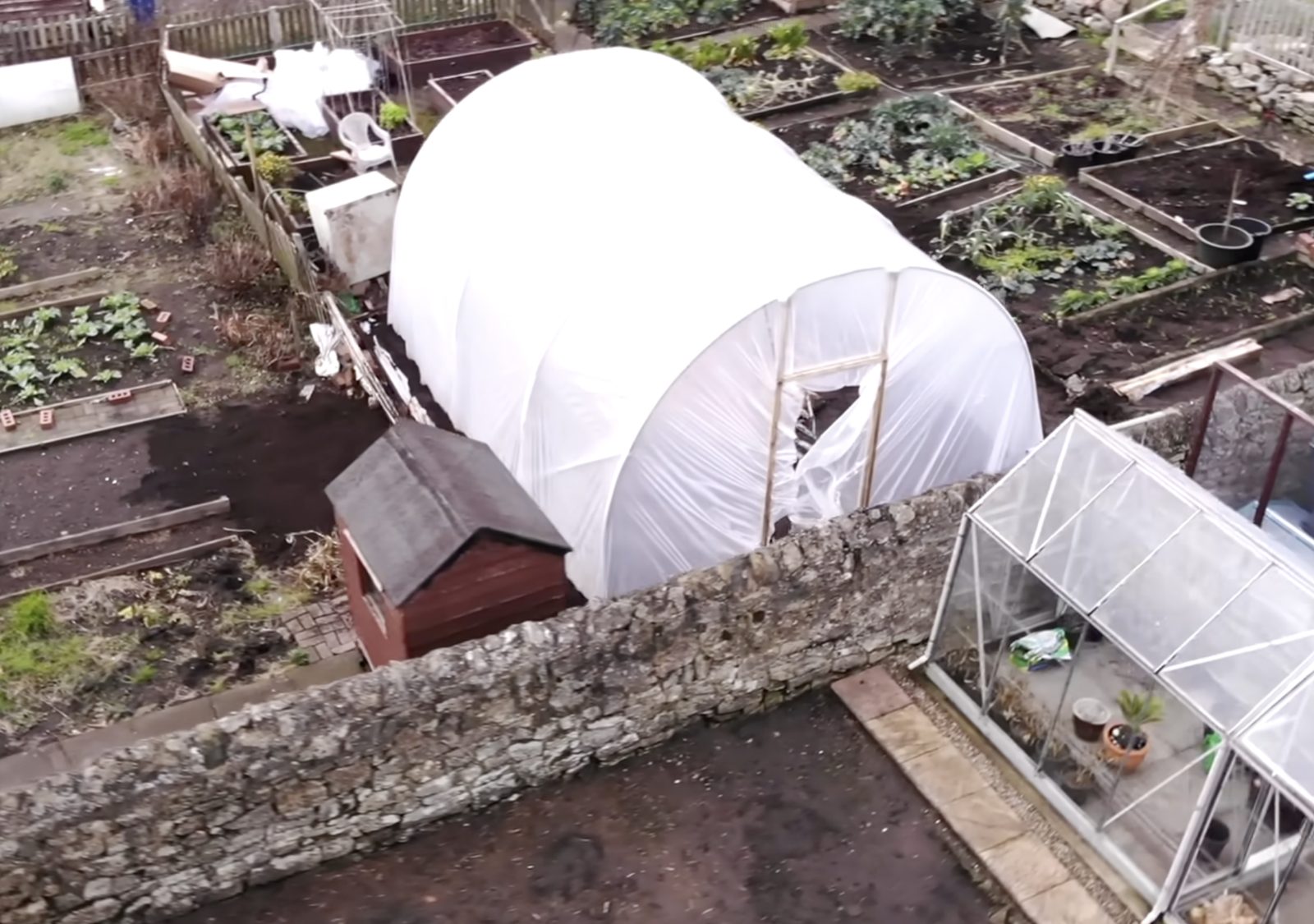
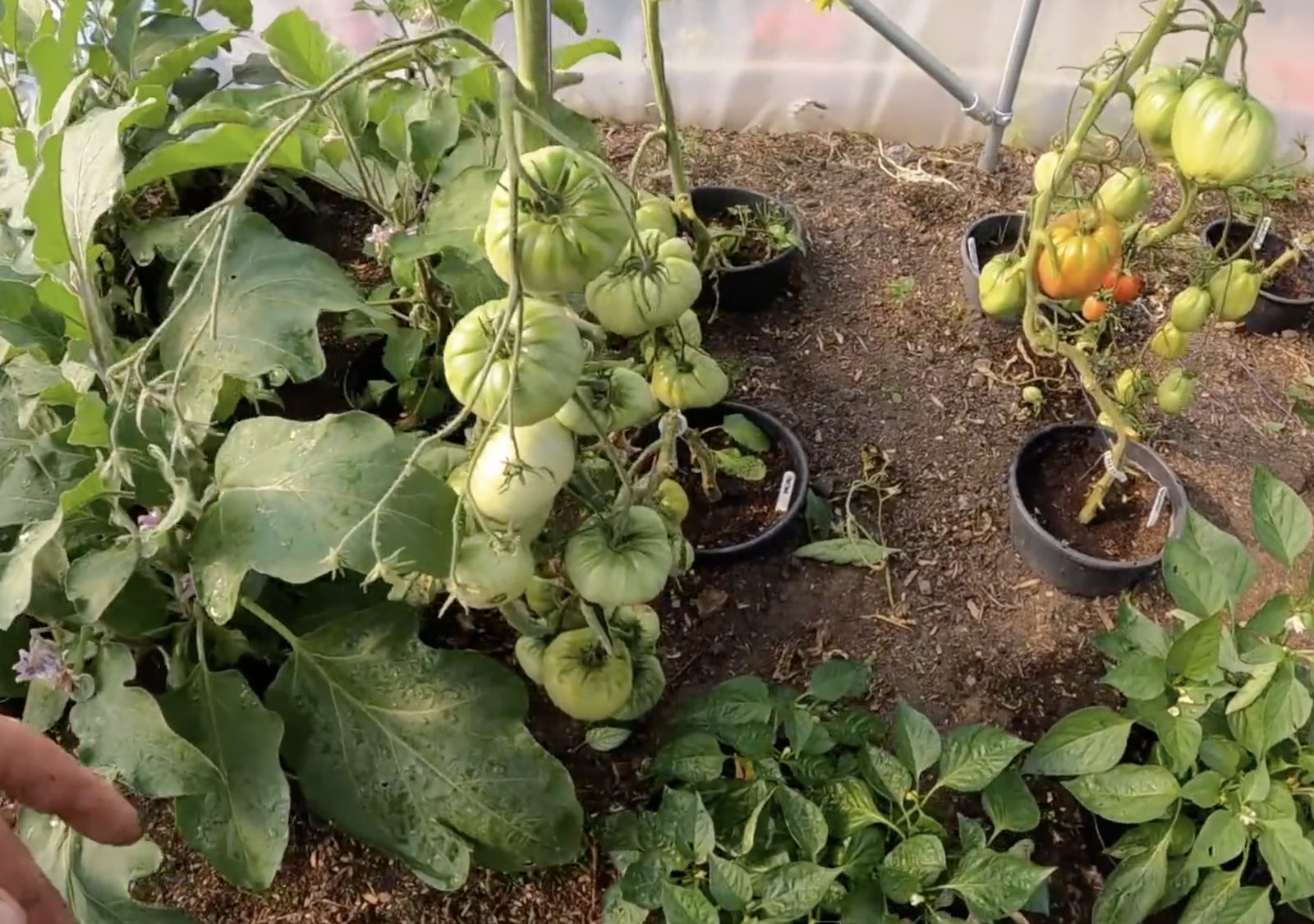
Not stock photos. My tunnel, my beds, my crops — the same plot the whole course was written on.
Big-name growing courses run £95 and up. Professional qualifications run into the hundreds. This is £27 — because I'm one bloke with an allotment, not an academy. I'd rather it was in people's hands.
Read the whole thing. If it doesn't save you at least one ruined crop, email me within 30 days and I'll refund you — no forms, no fuss. — Tony
One-time payment. No subscription. Instant access to all 15 modules.
Or get all three courses — allotment, polytunnel and containers — together for £59 £81 if you bought them one at a time.
This course is £27. Or get all three — allotment, polytunnel and containers — for £59. That's £81 if you bought them one at a time.
Get all three for £59Everything I know about polytunnel growing — written up properly, in plain language, for anyone who wants to actually understand their tunnel — first season or tenth. It doesn’t have to be a guessing game. Let's do this properly.
Get the course — £27One payment · lifetime access · 30-day no-quibble refund