Your First Allotment
Everything you need to grow real food on a real plot
Nine practical modules covering the stuff most growers never quite get right — your soil, crop rotation, companion planting, pests, harvesting and storing, and a month-by-month plan for the whole year. Whether you're standing at the gate of a bare plot for the very first time, or you've had your patch for years and still feel like you're winging half of it — this is the proper grounding that makes it all click.
Does any of this sound like you?
You've just taken on an allotment and you're standing there looking at a patch of weeds thinking "right, where on earth do I start?"
You've tried growing things before but half of it died, half of it got eaten by slugs, and you never really knew why.
You've got no idea what to sow when, what goes where, or whether you've missed the window for the things you actually want to grow.
You end up with a mystery glut of courgettes in August and nothing to do with them — or you miss the harvest window entirely.
You've looked at gardening books but they're either too basic, too complicated, or written for someone with a massive country garden — not a UK allotment plot.
You feel like everyone else on the allotment site seems to just know what they're doing, and you don't want to look daft by asking.
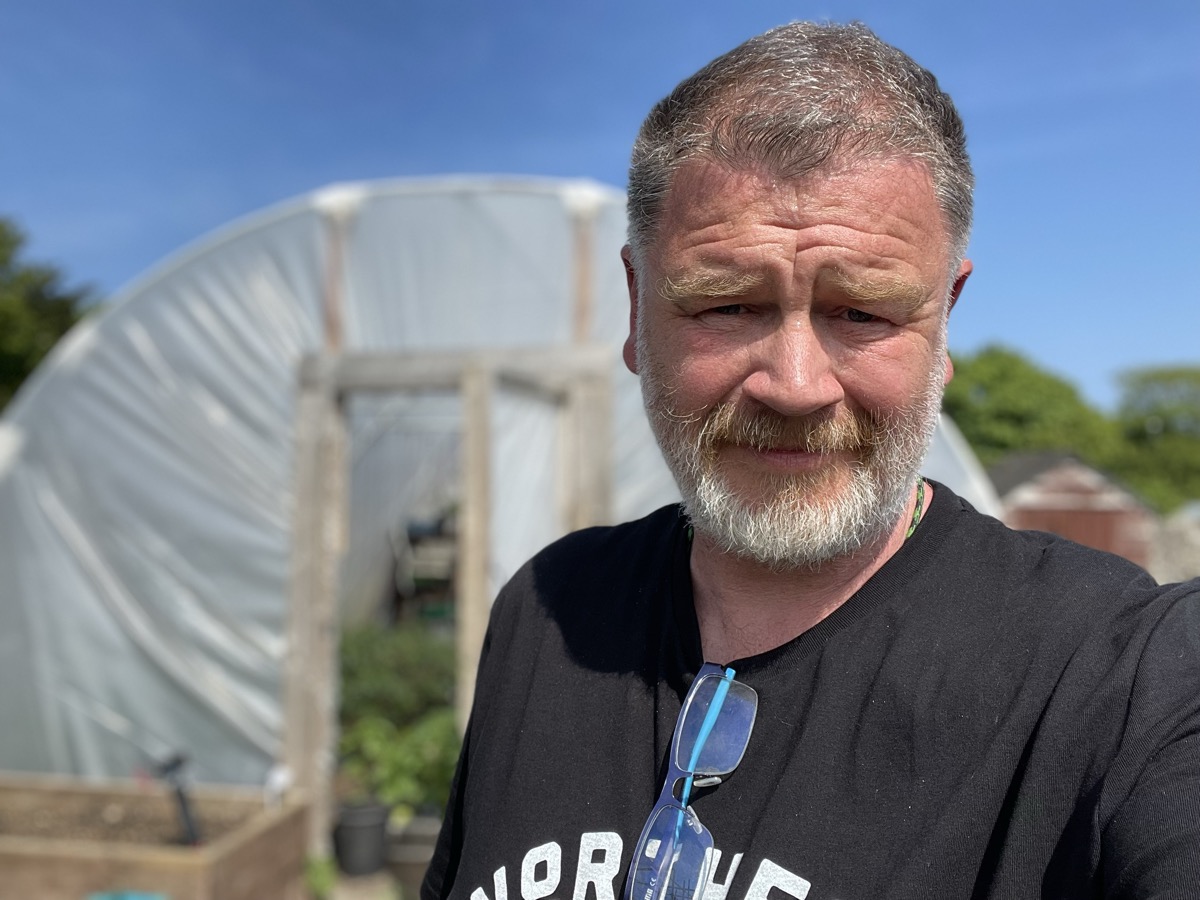
Allotment keeper &
course creator
I made every single mistake going. So you don't have to.
When I first got my allotment, I didn't have a clue. I planted things in the wrong spots, at the wrong time, in the wrong soil. I lost seedlings to slugs because I didn't know you had to protect them. I had courgettes the size of cricket bats because nobody told me you were supposed to pick 'em small. I dug up my potatoes too early, left my onions in too late, and didn't rotate my crops so the same pests just came back year after year.
"Courgettes the size of cricket bats — because nobody told me you were supposed to pick 'em small." Lesson one of many
But I kept coming back. Season after season, I got better. And gradually I started to understand — not just what to do, but why. And that's when everything changed.
I make YouTube videos about my plot now, and the question I get asked more than anything else is: "where do I start?" So I decided to put everything together properly. All the stuff I wish someone had told me at the beginning. Written in plain language, for real people with real plots — not a polished book written for somebody with a walled kitchen garden in the Cotswolds.
This is that course.
9 modules. Everything you need.
Click any module to see what's covered. Work through them in order, or jump to what you need right now.
1 Welcome to Your Allotment
- First visit checklist — 10 things to do on day one
- The 5 most common beginner mistakes
- Quick wins to get you feeling confident fast
- The mindset that makes all the difference
2 Getting Your Plot Ready
- No-dig method explained — cardboard, compost, done
- Raised beds: cost, size, materials, building them yourself
- Dealing with bindweed, couch grass and brambles
- Paths, structure and making the most of your space
3 Understanding Your Soil
- Soil types and how to identify yours
- pH testing — what it means and what to do about it
- Building a compost heap properly
- Manure — what kind, when to use it, where to get it
4 Planning What to Grow
- The best crops for complete beginners
- Crop rotation in plain English
- How much to sow — avoiding the glut (well, mostly)
- Planning on paper: the method that saves months of hassle
5 Companion Planting
- The classic combinations (tomatoes + basil, carrots + onions)
- Plants to never grow together and why
- Flowers that attract beneficial insects
- Reference guide to 51 UK vegetable companions
6 Sowing, Growing & Looking After
- Direct sowing vs starting indoors
- Hardening off — what it is and why it matters
- Watering: how much, how often, common mistakes
- Feeding: when to start, what to use, how often
7 Pests, Diseases & Problems
- Slugs and snails: the full toolkit (traps, barriers, nematodes)
- Aphids, whitefly, cabbage whites — the common ones
- Blight in tomatoes and potatoes: spots, spread, treatment
- When to worry and when to leave it alone
8 Harvesting, Storing & Cooking
- Harvest signals for 16 common crops (table included)
- Root veg storage, herb drying, freezing without the fuss
- The glut — how to handle it and even enjoy it
- Simple recipes and cooking methods from the plot
9 Month-by-Month Guide — Your Allotment Almanac
- Every month: sow indoors, sow direct, plant out, harvest, jobs
- Tony's personal focus for each month
- Interactive month jump navigation
- Written for UK growing conditions (North East perspective)
See how it reads before you buy
This is the actual opening of Module 1 — word for word.
Welcome to Your Allotment
Right. So you've got yourself an allotment. Or you're seriously thinking about getting one. Either way — brilliant. Genuinely, properly brilliant. You're going to love this.
I remember standing on my plot for the first time and just… looking at it. Weeds taller than me. Soil I couldn't tell from clay. Half of it clearly hadn't been touched in years. I had no idea where to start. And I'll be honest — I stood there for a good ten minutes before I did anything, cuz it was that overwhelming.
But here's the thing. That feeling — that "where do I even begin" feeling — is completely normal. Every single person who's ever grown anything on an allotment started exactly there.
By the end of this course, you'll be able to…
Walk onto your plot with a clear plan for what you're doing that day, that week, that month
Understand your soil, know what it needs, and actually improve it season by season
Grow a proper selection of vegetables from seed to harvest without losing the plot (literally)
Spot pests and diseases early and deal with them before they wipe out your crops
Know what to sow and do every single month of the year — no more guessing
Harvest at the right time, store it properly, and actually eat what you've grown
Feel like you actually know what you're doing out there — not just winging it
Have a reference guide you'll come back to season after season, year after year
Real plot. Real veg. Real mistakes — already made for you.
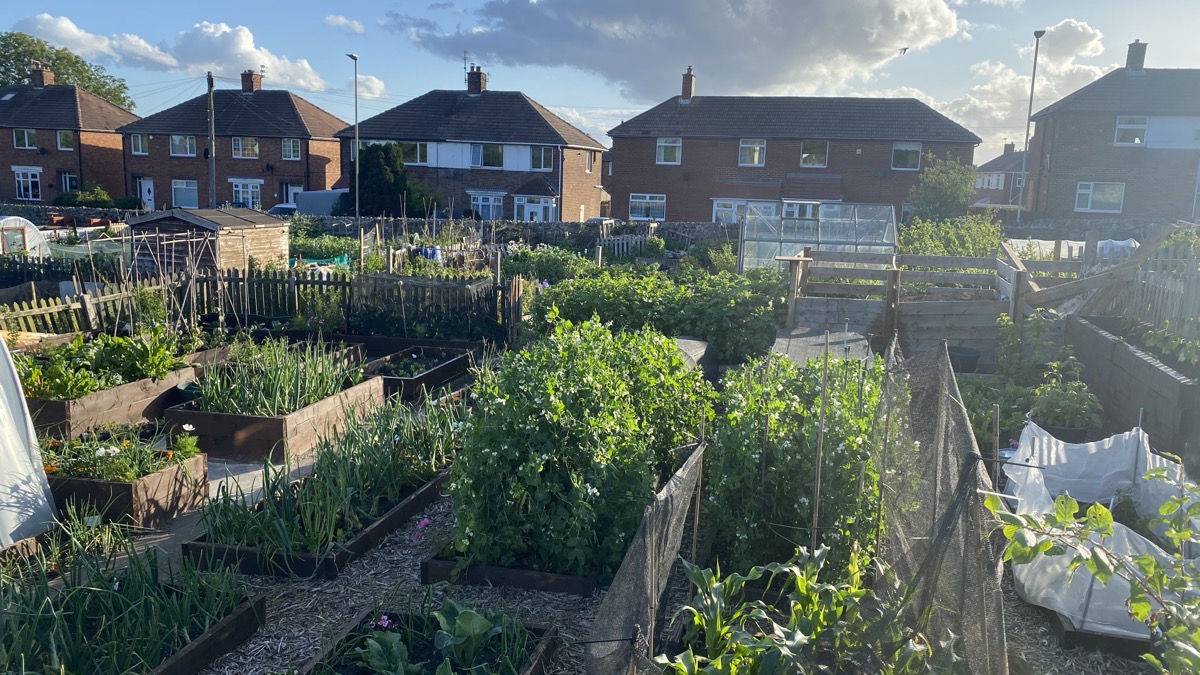
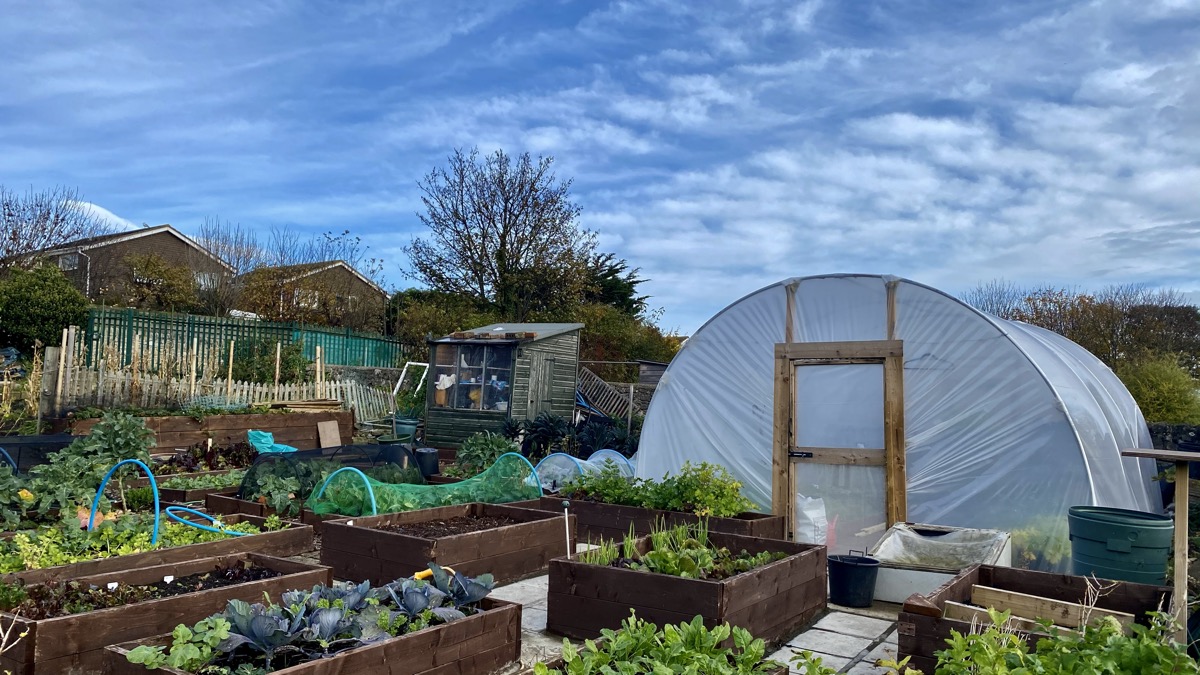
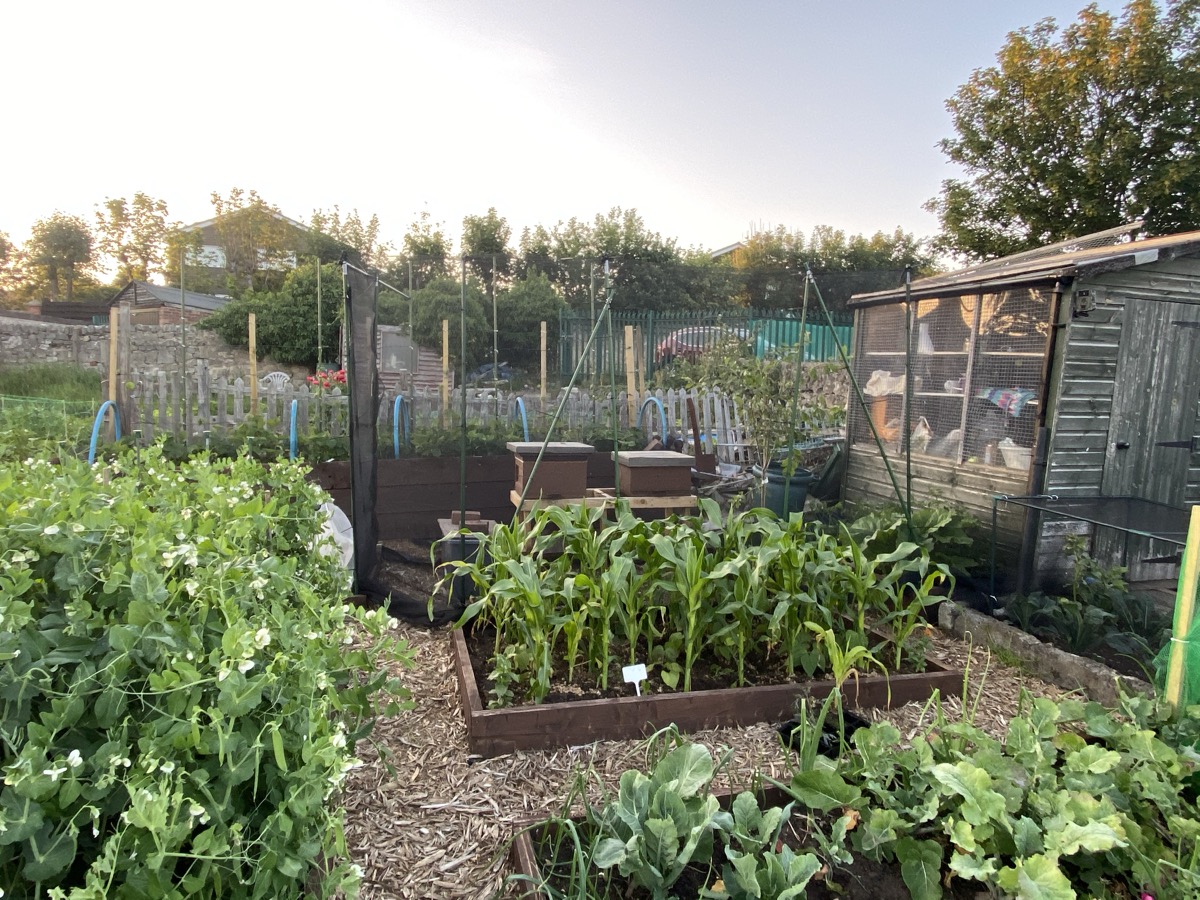
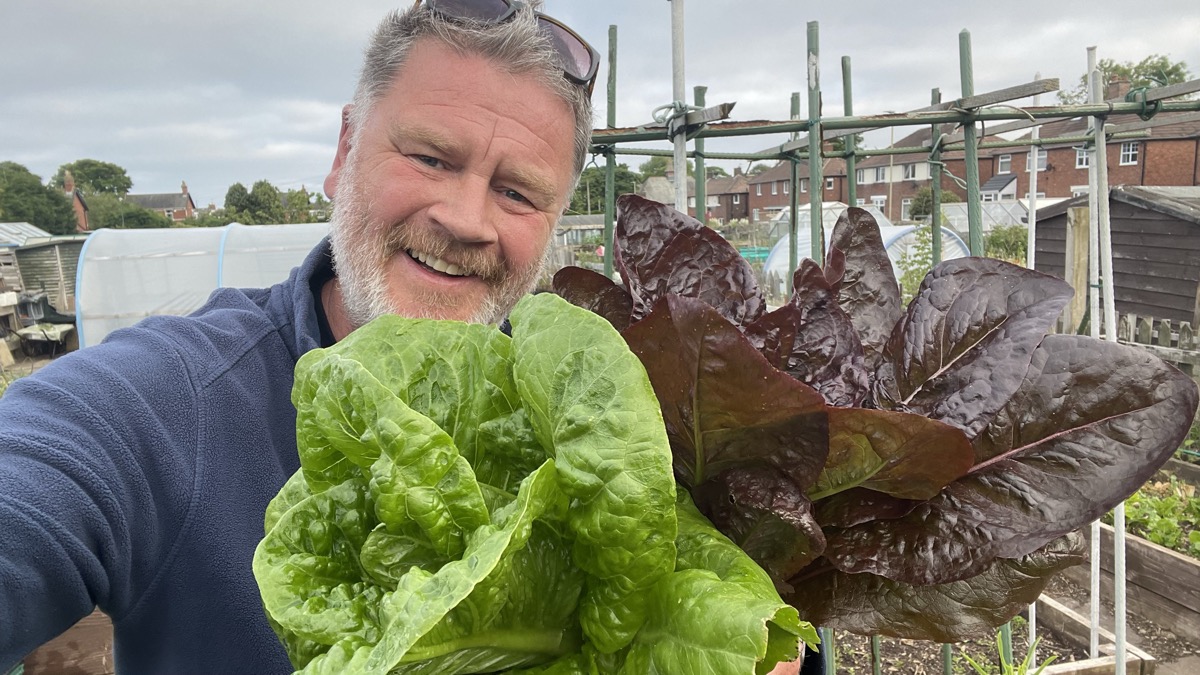
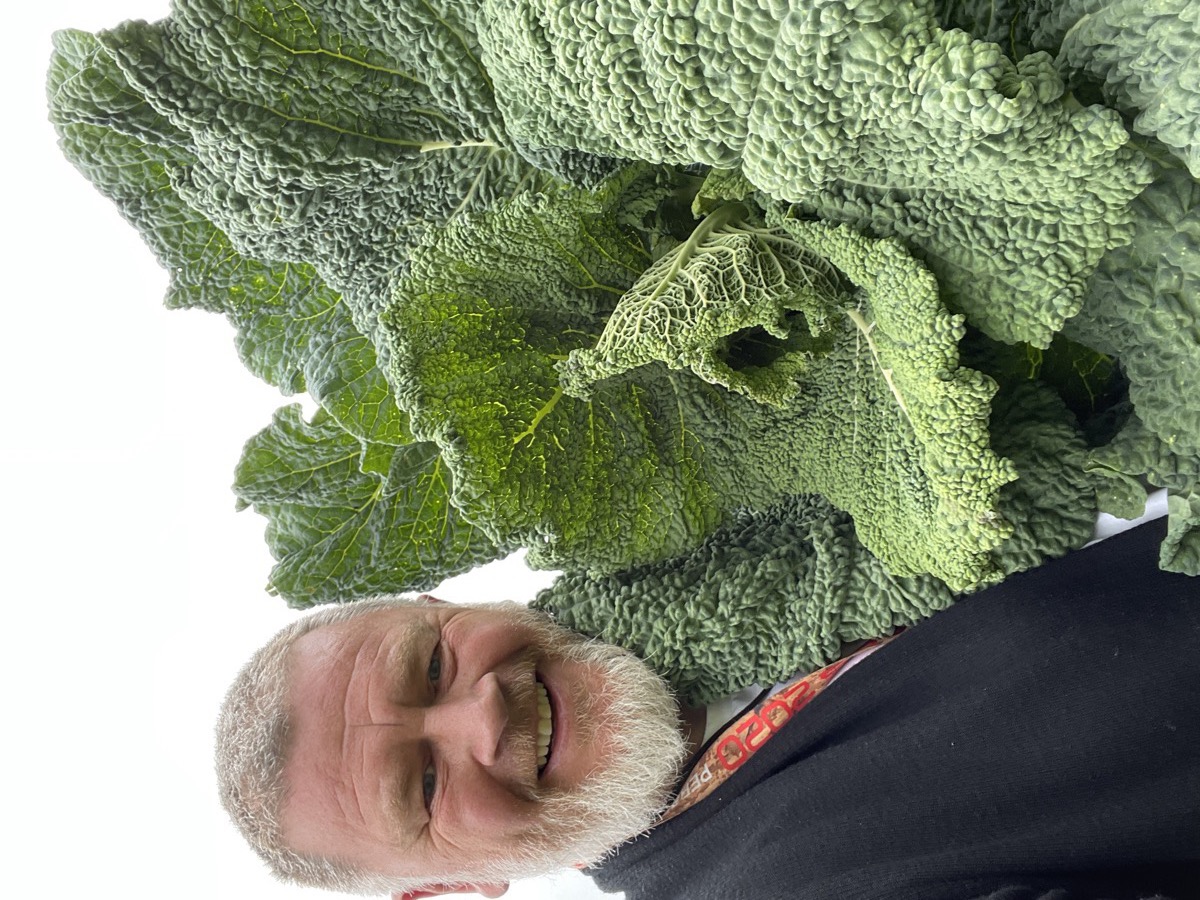
Everything in this course was learned the hard way on this patch in North East England. Here's the proof.
Here's exactly what you get
Get the full course for £27
One-time payment. No subscription. Instant access to all 9 modules.
Big-name growing courses run £95 and up. Professional qualifications run into the hundreds. This is £27 — because I'm one bloke with an allotment, not an academy. I'd rather it was in people's hands.
My No-Quibble Promise
Read the whole thing. If it doesn't save you at least one ruined crop, email me within 30 days and I'll refund you — no forms, no fuss. — Tony
- All 9 complete modules — instant access
- Month-by-month allotment almanac
- Interactive tools, checklists & guides
- Companion planting guide — 51 UK crops
- Mobile-friendly — read anywhere
- Lifetime access — yours to keep forever
Or get all three courses
Allotment, polytunnel and container garden together. £81 if you bought them one at a time — £59 together.
Get all three — £59 →Questions? Here's everything people ask.
I'm a complete beginner. Is this course right for me?
I've had an allotment for a couple of years but I still struggle. Will I get anything from it?
I haven't got my plot yet — is it too early to buy this?
Is it video or written?
How long will it take me?
Is this relevant to my part of the UK?
How do I access the course after buying?
Will it be updated?
Can I buy it as a gift?
What if I'm not happy with it?
Do I need anything special to read it?
Why only £27?
Right. Let's get you growing.
Everything I know about allotment growing — written up properly, in plain language, for anyone who wants to actually understand their plot — first season or tenth. It doesn’t have to be a guessing game. Let's do this properly.
Get the Course — £27 →This course is £27. Or get all three — allotment, polytunnel and containers — for £59.