
🌱 GrowMore CookMore App
Know what to sow, when to harvest, and discover recipes for your garden produce.

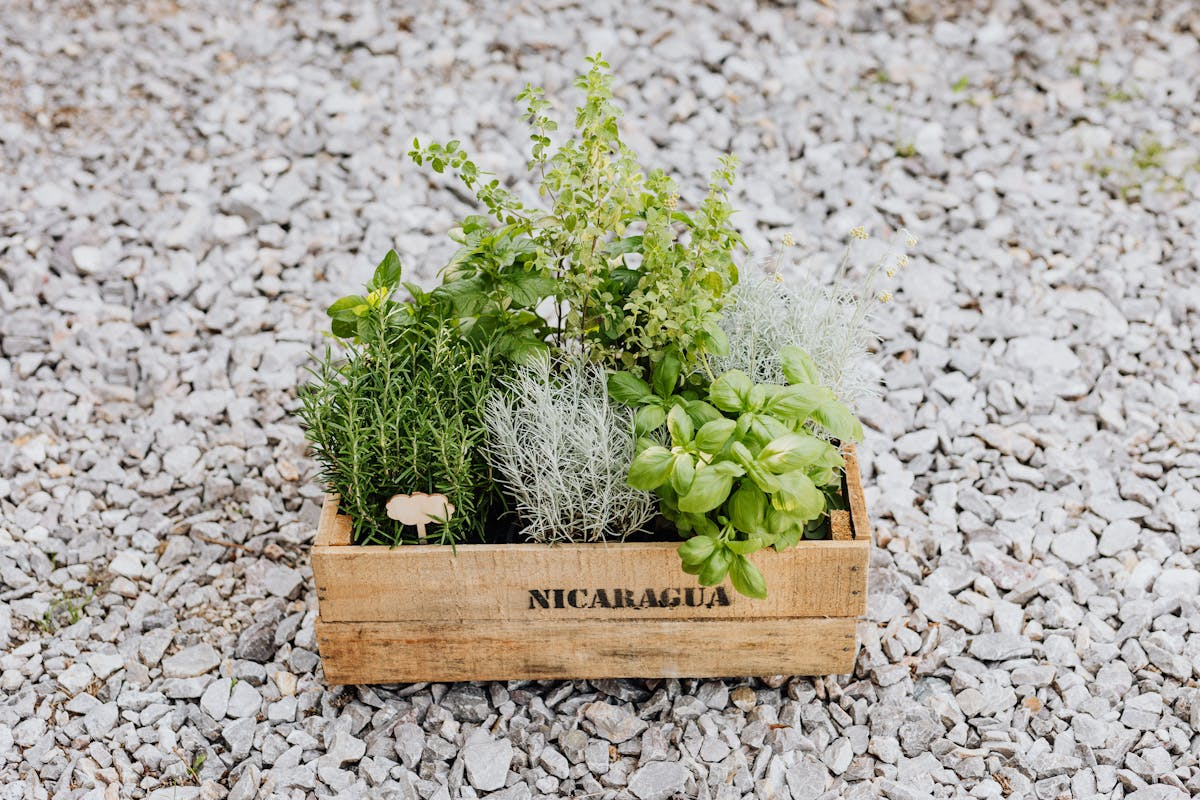
Right. Herbs. Now, if there’s one thing that’ll change your cooking overnight, it’s having a load of fresh herbs right outside your back door. No more buying those sad little plastic packs from the supermarket that go off in two days. You grow your own basil, parsley, coriander, rosemary, thyme — the lot — and you’ll never look back. Promise.
And the beauty of herbs is they’re dead easy to grow from seed. Most of them, anyway. Some are a bit awkward — I’m looking at you, coriander — but the majority are absolutely fine for beginners. If you can grow a weed, you can grow a herb. They’re basically the same thing, just one tastes better.
Why Grow from Seed?
You can buy herb plants from the garden centre, and honestly, there’s nothing wrong with that for perennials like rosemary and thyme. But annuals like basil and coriander? Grow them from seed every time. You’ll get ten times the plants for a fraction of the price. A packet of basil seeds costs about £1.50 and gives you fifty-odd plants. A single pot from the supermarket costs £1 and usually dies within a week because it’s been grown in a greenhouse in Holland and has never seen British weather. You know what I mean?
Plus, when you grow from seed, you can choose the varieties you actually want. There’s loads of different basils — sweet, Thai, purple, lemon. Same with thyme — common, lemon, creeping. The garden centre might have two options. Seed catalogues have dozens. It’s like going from five channels to Netflix.
Getting Started Indoors
Most herbs want to be started indoors on a windowsill from about March onwards. The key is warmth and light. A south-facing window is perfect. If you haven’t got one, any bright windowsill will do — just don’t stick them behind a curtain and forget about them. I’ve done that. They get leggy and sad and eventually you find them behind the curtain looking like they’ve given up on life.
Fill some small pots or seed trays with decent compost. Don’t use garden soil — it’s too heavy and might have nasties in it. Sow the seeds on the surface or just barely cover them, depending on the variety. Most herb seeds are tiny, so you barely need to cover them at all. Just a light sprinkle of compost or vermiculite on top.
Water from the bottom if you can — sit the pots in a tray of water for ten minutes and let it soak up. Watering from the top can wash the seeds about or compact the surface. Then keep them warm and moist. Some people use cling film over the top until they germinate, which works well. Just take it off as soon as you see green.

The Easy Ones
Basil — Needs warmth. Don’t sow too early or it’ll just sit there sulking. Late March or April is fine. Germinates in about a week. Keep it on the windowsill until it’s warm enough outside, which honestly in our neck of the woods isn’t until late May or early June. Me basil went out and just got battered by the cold one year. Never again.
Parsley — Bit slower to germinate. Can take two or three weeks, so don’t panic if nothing happens straight away. Flat-leaf or curly, your call. I prefer flat-leaf for cooking and curly for looking nice. Both taste great though.
Chives — Ridiculously easy. Sow them, forget about them, they’ll come up. And once you’ve got chives, you’ve got chives forever. They come back every year and they spread. You’ll be giving bundles away to the neighbours within two years.
Coriander — Now this one’s a bit of a diva. It bolts if you look at it wrong. The secret is to sow it in succession — a little bit every two or three weeks — so you’ve always got some coming on. Don’t sow it all at once or you’ll have a massive glut followed by nothing. Sow direct if you can, because it doesn’t love being transplanted.
The Perennial Legends
Rosemary — You can grow it from seed, but it’s slow. Really slow. I’d buy a plant for rosemary and take cuttings. But if you’re patient, go for it.
Thyme — Similar to rosemary. Can be grown from seed but it’s tiny and fiddly. Once it’s established though, it’s bulletproof. Loves poor soil, doesn’t need much water, and it tastes incredible with roast potatoes. Speaking of potatoes — I dug up some Maris Pipers the other day that were a year old in the ground. Still absolutely belting. Roasted them with some thyme and butter. Jamie Oliver’s best potato, apparently. I won’t argue.
Mint — Easy to grow. Too easy. Don’t put it in the ground unless you want it everywhere. Stick it in a pot. I’m serious. One plant in a bed and within a year you’ll have a mint field. Pot. Always a pot.

Moving Them Outside
Once the risk of frost has passed — and check your local frost dates because they vary loads depending on where you are — you can start hardening off your herbs. That just means gradually getting them used to outdoor conditions. Put them outside during the day, bring them in at night, for about a week. Then leave them out full time.
Herbs generally like a sunny spot with decent drainage. They don’t want to sit in waterlogged soil. Most of them are Mediterranean originally, so they’re used to being a bit dry and baked. If your garden’s heavy clay, grow them in pots or raised beds with some grit mixed in.
Using Them in the Kitchen
This is the whole point, isn’t it? And this is where it gets exciting. Fresh basil on a tomato salad. Parsley in a chimichurri. Chives on a baked potato. Mint in a lamb gravy or a proper mojito. Rosemary and thyme on your Sunday roast. Once you’ve got fresh herbs going, your cooking goes up about three levels instantly.
The trick is to pick little and often. Don’t hack the whole plant down in one go. Take a few leaves here, a sprig there. It actually encourages the plant to bush out and grow more. Regular picking equals more herbs. Everyone wins.
And if you end up with too much — which you will, especially with things like parsley and chives — chop them up and freeze them in ice cube trays with a bit of water or olive oil. Dead easy and they keep for months. Pull one out, lob it in a pan, sorted.
Let GrowMore CookMore Help You Grow
Growing herbs is only half the fun — cooking with them is where it really gets good. The GrowMore CookMore app has over 200 recipes that’ll help you make the most of everything you grow. Got a load of basil coming in? The app’ll show you exactly what to do with it. And the Grow Calendar will tell you when to sow each herb for your area, so you’re never guessing. It even tracks your costs, so you can work out just how much money you’re saving compared to those sad supermarket packets. Download free on the App Store →
Look after yourselves. Take good care. 🌱
Leave a Reply