
🌱 GrowMore CookMore App
Know what to sow, when to harvest, and discover recipes for your garden produce.

Pests. The bane of every gardener’s existence. You spend weeks nurturing your plants, feeding them, watering them, talking to them (don’t pretend you don’t), and then you come up one morning and something has eaten half of them overnight. It’s enough to make you want to concrete the whole lot over and take up golf. But don’t do that. Because there are ways to fight back, and most of them don’t involve any chemicals at all.
I’m going to be upfront with you — I’ve never used chemical pesticides on my allotment. Not because I’m some sort of saint, but because I’m too tight to buy them and too lazy to spray them. Turns out that’s accidentally the right approach. Organic pest control works. It really does. It just takes a bit more thinking and a lot more patience than reaching for a bottle of something nasty.
Now I’m not going to pretend I’ve never lost crops to pests. I have. Plenty. There was the Great Aphid Invasion of 2022 where my entire row of broad beans went from healthy to absolutely covered in blackfly in what felt like about three hours. And the cabbage white butterfly incident that turned my kale into lace curtains. And don’t even get me started on the mice that ate every single pea I sowed one spring. Every. Single. One. I found the empty shells lined up neatly in a row like they’d had a dinner party. Cheeky little blighters.
Know Your Enemy
Before you can fight pests, you need to know what you’re dealing with. And honestly, most of the time the damage looks worse than it actually is. A few holes in your cabbage leaves? That’s cosmetic damage — the cabbage is still perfectly edible. Aphids on your bean tips? Pinch the tips off — you were going to do that anyway to discourage blackfly and encourage bushier growth. Not everything needs action. Sometimes the best response is to just chill out and let nature sort itself out.
That said, there are times when you do need to step in. If something is actively destroying a crop and it’s not going to recover on its own, you need a plan. So let’s go through the main culprits and what actually works against them.
Slugs and Snails
The number one enemy. Public enemy number one. If I could eradicate one creature from existence it would be the slug. Actually no, it would be wasps. Then slugs. Then that pigeon that sits on the allotment fence and watches me with contempt.
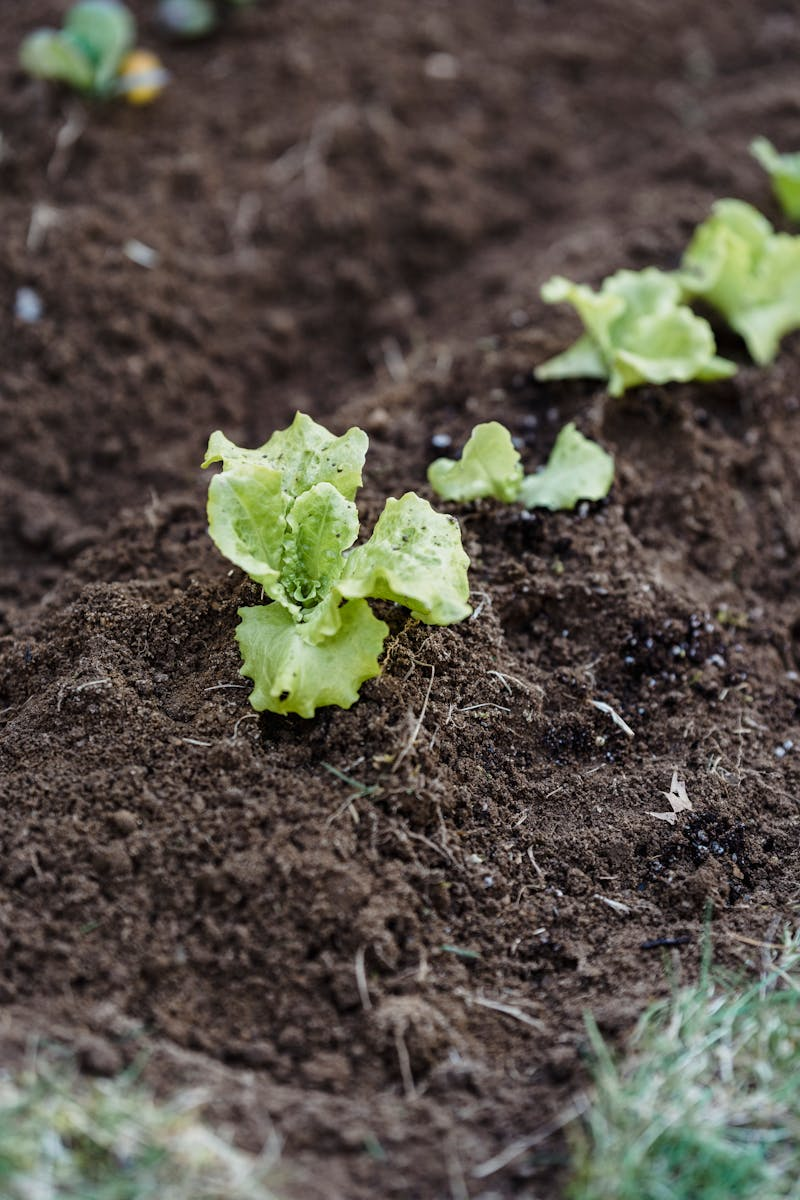
Slugs and snails do most of their damage at night and in wet weather. They love soft, young plants — lettuce, seedlings, hostas (not that I grow hostas but you get the idea). The damage is obvious — ragged holes in leaves and that disgusting silvery slime trail that’s basically them signing their work.

What works: Organic slug pellets (ferric phosphate ones — these are safe for wildlife and pets). Beer traps — sink a yoghurt pot into the ground, fill with cheap lager, and the slugs crawl in for a drink and drown. Not a bad way to go, honestly. Going out with a torch after dark and picking them off by hand — grim but effective. Encouraging predators — frogs, toads, hedgehogs, ground beetles all eat slugs. That wildlife pond I talked about? This is another reason to build one.
What doesn’t work as well as people claim: Eggshells (slugs just slide right over them), copper tape (some people swear by it, I’ve never noticed any difference), garlic spray (nah), and those ultrasonic deterrent things (absolute nonsense, save your money). Sorry to burst any bubbles there but I’ve tried them all and I’m being honest with you.
Aphids — Blackfly and Greenfly
Aphids are tiny little sap-sucking insects that cluster on the growing tips and undersides of leaves. Blackfly love broad beans. Greenfly love roses and pretty much everything else. They weaken plants by sucking the sap and they spread viruses between plants. Plus they produce this sticky honeydew stuff that goes mouldy. Delightful.
The good news is aphids have loads of natural predators. Ladybirds absolutely demolish them — a single ladybird larva can eat hundreds of aphids in its lifetime. Hoverfly larvae, lacewing larvae, and parasitic wasps all eat them too. So step one is to attract these beneficial insects by growing flowers near your veg. Marigolds, nasturtiums, and calendula are all brilliant for this. I grow a row of calendula along the edge of every bed. Looks nice and it’s basically a ladybird restaurant.
For immediate action, a strong jet of water from the hose will knock aphids off plants. They’re not strong enough to climb back. Or you can squish them with your fingers. It’s gross but it works. For serious infestations, a spray made from diluted washing-up liquid (a few drops in a spray bottle of water) will suffocate them. Just make sure you rinse the plants afterwards.
Caterpillars
Specifically cabbage white caterpillars, because they’re the ones that’ll go through your brassicas like a wrecking ball. The butterflies lay clusters of yellow eggs on the undersides of leaves. Check regularly and squish the eggs before they hatch — prevention is much easier than cure here.
If you’ve already got caterpillars, pick them off by hand. Yes, it’s tedious. Yes, it’s a bit gross. But it works. If you’ve got a large brassica patch, netting is the real answer — prevent the butterflies from getting to the plants in the first place. I covered this in the brassicas post but it bears repeating because it’s that important. Proper fine mesh netting, held off the plants on hoops, will stop cabbage whites completely.
Bt spray (Bacillus thuringiensis) is an organic biological treatment that kills caterpillars specifically without harming other insects. It’s very targeted and very effective. Spray it on affected plants and the caterpillars stop feeding almost immediately. This is my backup for when hand-picking isn’t keeping on top of things.
Carrot Fly, Onion Fly, and Their Annoying Relatives
I talked about carrot fly in the root veg post but it’s worth mentioning here in the broader pest control context. The principle with all these root-attacking flies is the same — physical barriers. They’re low-flying insects, so a barrier of fine mesh at least 60cm tall will keep them out. Enviromesh is brilliant for this. It’s a fine woven mesh that lets light and rain through but keeps the flies out.
For onion fly, which attacks onions, shallots, and leeks, the same mesh approach works. Alternatively, interplanting with carrots can help — the strong scent of carrots confuses the onion fly and vice versa. So carrots next to onions benefits both crops. It’s like a mutual defence pact. NATO for vegetables.

Pigeons and Birds
Pigeons are destructive, persistent, and incredibly annoying. They’ll strip brassica plants to the stem, eat pea shoots, and generally make a nuisance of themselves. The only reliable defence is netting. CDs on strings, scarecrows, fake owls — they might work for a day or two but pigeons are clever and they work it out fast. I had a plastic owl on my allotment for about a week before a pigeon sat on its head. The disrespect.
For smaller birds that nibble seedlings and soft fruit, fine netting or fleece over the beds works well. And remember, most birds are actually beneficial in the garden — they eat far more pests than they damage crops. So don’t try to keep ALL birds out. Just protect the specific crops that are vulnerable.
Building a Pest-Resistant Garden
The best pest control is building a garden where pests are kept in check naturally. That means encouraging beneficial insects with flowers, creating habitats for predators (wildlife ponds, log piles, bug hotels), practising crop rotation so pests can’t build up in the soil, and keeping your plants healthy and well-fed so they can withstand a bit of damage.
Healthy plants cope with pests much better than stressed plants. A well-watered, well-fed cabbage can shrug off a few caterpillars. A drought-stressed, nutrient-deficient one can’t. So look after your soil, look after your plants, and half the pest battle is already won.
And accept that you will lose some crops sometimes. It happens to everyone. Even Ronny, and he’s been at this for thirty years. The trick is not to take it personally. The slugs aren’t targeting you specifically. They’re just doing what slugs do. The absolute slimy little — anyway. Deep breaths. Move on. Sow more.
📱 Stay Ahead of Pests with GrowMore CookMore
One of the best things about the GrowMore CookMore app is the companion planting guidance — it tells you exactly which plants to grow together to naturally deter pests. Nasturtiums with brassicas, carrots with onions, marigolds with tomatoes — it’s all in there. Plus the Grow Calendar alerts you to key pest watch periods so you know when to get your netting up before the cabbage whites arrive, not after they’ve already laid their eggs. The Garden Journal is handy for recording what worked and what didn’t each year, so you can refine your pest control strategy over time. It’s like having thirty years of Ronny’s experience in your pocket. Get it on the App Store and outsmart the pests.
Look after yourselves. Take good care. 🌱
Leave a Reply