
🌱 GrowMore CookMore App
Know what to sow, when to harvest, and discover recipes for your garden produce.

Right. Composting. Now, I know what you’re thinking — “Tony, it’s just a pile of rubbish in the corner.” And honestly? You’re not far wrong. But that pile of rubbish is going to turn into the best stuff you’ll ever put on your garden. Black gold, they call it. And once you see what good compost does to your soil, you’ll wonder why you didn’t start years ago.
I’ll be upfront — I was late to composting. For ages, all me garden waste just went in the green bin or got dumped on a pile I never looked at again. Then I started getting horse manure from a local stables, mixing it in with me garden waste, and bloody hell — the difference in me beds was unbelievable. Me carrots this year were the best I’ve ever had. And I’m convinced it’s down to the compost. That and actually thinning them out for once. But mainly the compost.
Why Bother Composting?
Look, you can buy bags of compost from the garden centre. I’ve done it plenty of times. But it’s not cheap, especially when you’re filling raised beds. I was spending a fortune on the stuff. And most of it’s peat-based anyway, which isn’t great for the planet if we’re being honest.
When you compost your own, you’re basically recycling everything your garden throws at you. Weeds — as long as they haven’t gone to seed — grass clippings, old plants, kitchen scraps. All that stuff that would normally go in the bin gets turned into the richest, darkest, most gorgeous soil conditioner you’ve ever seen. And it’s free. Can’t argue with free.
Plus, it makes your soil absolutely sing. Better drainage, better water retention, more worms — and worms are your best mate in the garden. I was digging over a bed the other day and there were massive fat worms everywhere. I bury them back in, mind you. Don’t want them on top getting cold. But seeing loads of worms is basically your soil giving you a thumbs up.
Choosing Your Compost Setup
Right, so you’ve got a few options here. And honestly, it doesn’t matter which one you go for as long as you’re actually putting stuff in it. I’ve seen people spend £200 on a fancy tumbler and then never use it. That’s just an expensive ornament, that.
Your simplest option is just a heap. Literally a pile on the ground. Works fine, but it looks a bit scruffy and it can spread out. If you’re on an allotment, your neighbours might give you a look. I’ve got a wooden pallet bin that I built in about twenty minutes. Three pallets for the sides, open at the front so you can get at it. Cheap as chips and works a treat.
If you’ve got a smaller garden, one of those plastic dalek-style bins from the council is fine. They’re usually subsidised so you can get them for about fifteen quid. Not the fastest composting, but low maintenance. Just keep feeding it from the top and eventually you’ll get compost from the bottom hatch.

What Goes In (And What Doesn’t)
This is where people overthink it, man. The basics are simple. You want a mix of “greens” and “browns.” Greens are your wet, nitrogen-rich stuff — grass clippings, kitchen scraps, fresh weeds, old veg plants. Browns are your dry, carbon-rich stuff — cardboard, dead leaves, straw, woody prunings.
The ratio everyone bangs on about is roughly two parts brown to one part green. But honestly? I don’t measure it. I just chuck it in and if it looks too wet and slimy, I add more cardboard. If it looks too dry and nothing’s happening, I throw in some grass clippings. It’s not rocket science. It’s literally rotting.
What NOT to put in: cooked food, meat, dairy, dog or cat waste, diseased plants, or perennial weed roots like couch grass. I learned the couch grass one the hard way. Put a load in, composted it down, spread it on a bed, and within two weeks I had couch grass growing everywhere. Absolute nightmare. Still finding it now.
Looking After Your Heap
The number one thing is turning it. I know, it’s a faff. But giving your compost a good turn with a fork every few weeks makes a massive difference. You’re basically getting air into it, which keeps the microbes happy and speeds everything up. Without turning, it can go a bit anaerobic — that’s when it starts smelling like something’s died in there.
Actually, speaking of smell — good compost shouldn’t really stink. If it does, it’s usually too wet or it’s got too much green stuff. Add more browns, give it a turn, and it’ll sort itself out within a week. I was up at the allotment the other day and could smell the compost from about six feet away. “Bloody hell, that smells, man,” I said to nobody in particular. Turns out I’d chucked a load of grass clippings in without any brown material. Classic.
Moisture is important too. You want it damp, like a wrung-out sponge. In dry weather, give it a splash of water when you’re up there. In wet weather, cover it with a bit of old carpet or cardboard to stop it getting waterlogged. Simple stuff.

The Chop and Drop Method
Now, I’ve been doing something lately that I’m really getting into. Chop and drop. Basically, instead of carting everything to the compost bin, you just chop your old plants down and leave them on the bed. Cut the chard down, leave it there. Pull the bean plants out, lay them on the soil. It breaks down right where it is and feeds the soil directly.
I did this on one of me beds and it worked a treat. The soil underneath was gorgeous come spring. You do need to be a bit careful though — I was umming and ahhing about whether to leave the old chard on the bed or take it off, because I didn’t want it attracting slugs while it was breaking down. In the end, I moved most of it onto a different bed that wasn’t going to have seedlings in it. Problem solved.
Using Your Finished Compost
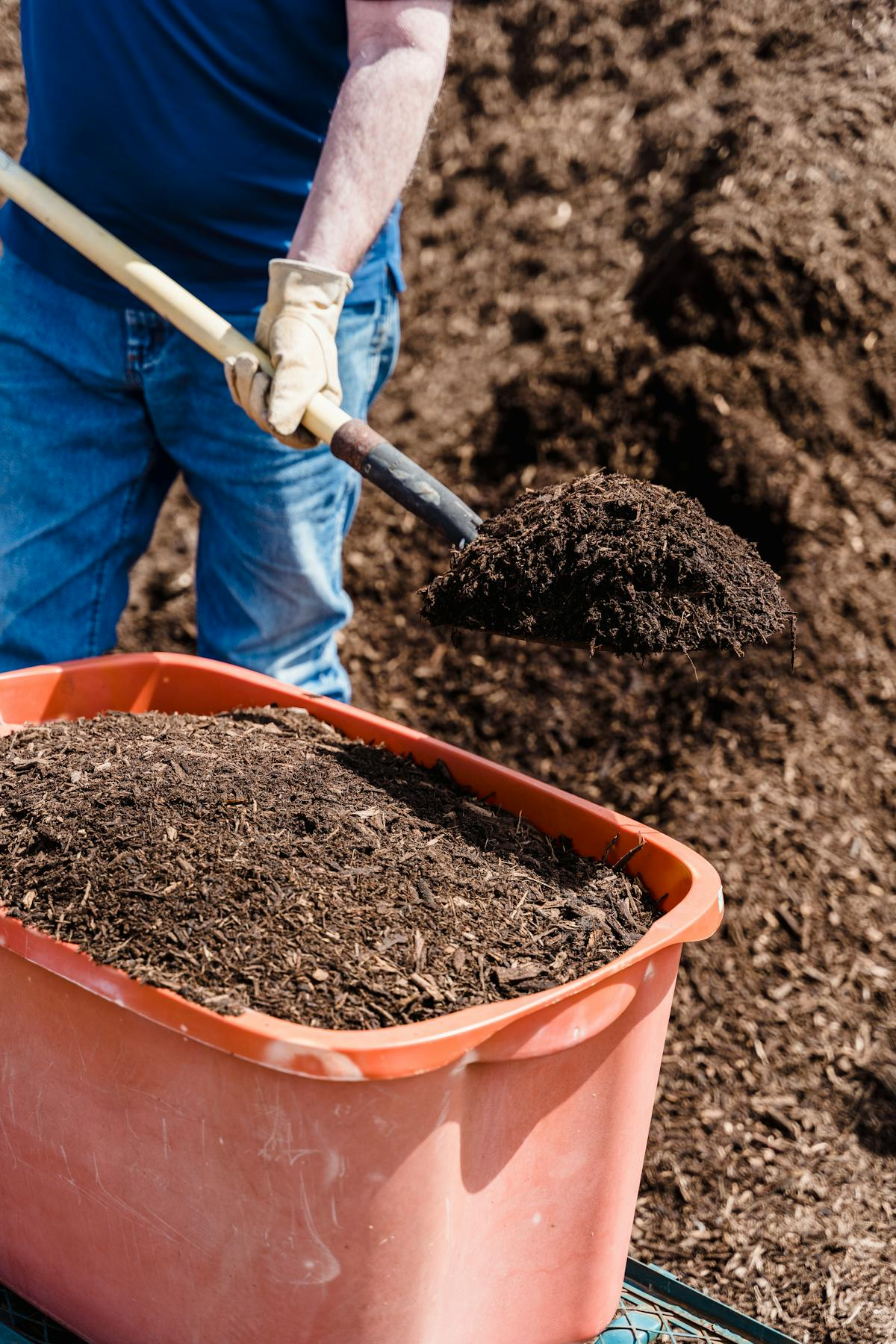
When it’s ready — and you’ll know, because it’ll be dark, crumbly, and smell like a forest floor rather than a bin — you can use it for basically everything. Dig it into your beds before planting. Use it as a mulch on top of the soil. Mix it into your potting compost for containers. I use mine to top-dress me raised beds every autumn and the difference is honestly incredible.
Don’t stress about it being perfect. Even half-finished compost is useful as a mulch. I’ve shoved slightly chunky compost around me fruit bushes and it just carries on breaking down in place. The worms love it. And what worms love, your plants love. That’s basically the golden rule of gardening right there.
A Few Honest Mistakes I’ve Made
Because it wouldn’t be one of my posts without admitting where I’ve gone wrong, would it? So: I once put a load of bindweed roots in the compost thinking the heat would kill them. It didn’t. I spread bindweed across three beds. Took me two years to get on top of it. Don’t be like me.
I also learned that you shouldn’t put too many grass clippings in at once. They clump together into this slimy, matted mess that goes anaerobic and honks to high heaven. Mix them in thin layers with cardboard or straw. Or spread them out to dry for a day first. Much better.
And don’t neglect it over winter. I used to just stop adding stuff in November and forget about it until March. But all those autumn leaves, spent plants, and kitchen scraps over winter are perfect compost material. Cover it up, keep feeding it, and you’ll have gorgeous compost by spring. The microbes slow down in the cold but they don’t stop completely.
Let GrowMore CookMore Help You Grow
Good compost is the foundation of a great garden, but knowing what to plant in all that lovely soil is just as important. The GrowMore CookMore app’s Grow Calendar covers 84 vegetables with personalised planting dates for your area, so you’ll know exactly what to sow in those beautifully composted beds. You can track your costs too — seed purchases, compost bags, that horse manure from the stables — so you know exactly what your garden’s costing you. And when your compost-fed crops come in absolutely massive, there’s over 200 recipes waiting for you. Download free on the App Store →
Look after yourselves. Take good care. 🌱
Leave a Reply